2nd ICC Aviation & Tourism Summit concludes; flags connectivity, infra & partnerships as growth imperatives
During the event, the industry stalwarts called out for a visa on arrival facility in India to boost inbound tourism, alongside discussions on connectivity, infrastructure and regulatory reforms to support tourism growth.
The 2nd ICC Aviation & Tourism Summit 2026 was held on March 26, 2026, at the Le Meridien, New Delhi, around the theme ‘Viksit Bharat 2047: Transforming Indian Tourism for Global Excellence’. The event in its 2nd edition, positioned aviation and tourism as critical enablers for the 2047 vision, even as policymakers and officials called for regulatory reforms, infra expansion and enhanced connectivity.
The event was attended Ashish Sood, Minister of Home, Power and Education, Government of NCT of Delhi; Faiz Ahmed Kidwai, former Director General of Civil Aviation (DGCA); Dr Subhash Goyal, Chairman, ICC National Expert Committee on Aviation & Tourism; and Chander Mansharamani, Co-Chairman, ICC National Expert Committee on Aviation & Tourism, among other delegates.
In his keynote, Kidwai, former DGCA chief, acknowledged India remains one of the fastest growing aviation markets in the world. He said, “Over the last decade, daily passenger traffic has increased from about 2.39 lakhs to 5.46 lakhs.” Domestic passenger traffic increases 136%, while international passenger traffic grows from 42,000 to 92,000 daily. This leads to domestic flight operations expand from 1,600 to over 3,000, while international flights stand at around 600 daily flights.
Goyal highlighted the essential link between aviation and tourism, noting that Indian aviation is one of the world’s fastest-growing markets. Highlighting the importance of the tourism and aviation for the Viksit Bharat goals, Goyal shared that he has written and suggested Prime Minister of India to allow visa on arrival, like Thailand, Malaysia and Singapore to accelerate inbound tourism and economic growth in the country.
Shedding light on the theme of the summit, Mansharamani emphasised on the four pillars that could help India to achieve the goals of Viksit Bharat 2047. These include simplified regulatory frameworks; embracing innovation and technology; strengthening aviation sector and public private partnerships. He said, “A collective vision is needed as we move forward towards 2047.”
Minister Sood showcased Delhi’s economic strength, noting its GDP growth of 8.53%, significantly above the national average with the growth of capital expenditure, which has reached to INR 32,000 crores. Sood informed that government has allocated INR 12,630 crores specifically for transport and infrastructure. Current projects include the redevelopment of 750 km of roads and the development of nine major flyovers and corridors.
Sood noted, “The Barapulla Phase 3 corridor is on track for completion this June.” For too long Delhi has been seen as a transit hub, he said, a place people landed only to leave for other cities like Haridwar, Shimla, Agra. The Branding Delhi initiative supported by a INR 50 crore allocation is changing the narrative. The 160-year-old Town Hall in Chandni Chowk is being redeveloped to position Delhi into a global heritage centre, construction of a dedicated Delhi Southern or Delhi House, a cultural space for Delhiites is also under process.
Sood noted that due to the West Asia conflict, the industry has taken a hit, but the domestic tourism is still resilient.
The summit also featured five panel discussions focusing on key areas of the aviation and tourism ecosystem. Discussions on ‘Role of Aviation in Developing Tourism’ highlighted that aviation is a ‘force multiplier’ for Indian economy and tourism and highlighted the importance of collaboration between tourism bodies to improve the connectivity. The conversation also delved into legal and regulatory advancement.
A session on ‘Connecting States, Creating Opportunities’ emphasised the importance of inter-state connectivity, infrastructure, and financial support in unlocking sectoral growth. The panel on ‘View of Industry: The Collective Voice of Associations Driving Tourism & Aviation Growth’ centred on India’s vast tourism potential versus its current global standing, highlighting critical needs for centralised marketing, industry regulations, and state-level policy execution to bridge infrastructure and perception gaps.
Another discussion on ‘Digital Transformation in Travel “AI, Data & Tech Driving the Next Era of Tourism and Aviation’ brought forward that AI is an unavoidable present-day reality in tourism. The successful adoption requires widespread upskilling and preservation of a human touch to maintain traveller trust and handle complex service disruption.
The session on ‘MICE Tourism - Unlocking New Opportunities’ emphasised that India has potential to become a global hub, success depends on standardising professional training, increasing industry awareness of government schemes, and convincing state governments to treat MICE as a high-value industrial sector rather than a tourism byproduct.
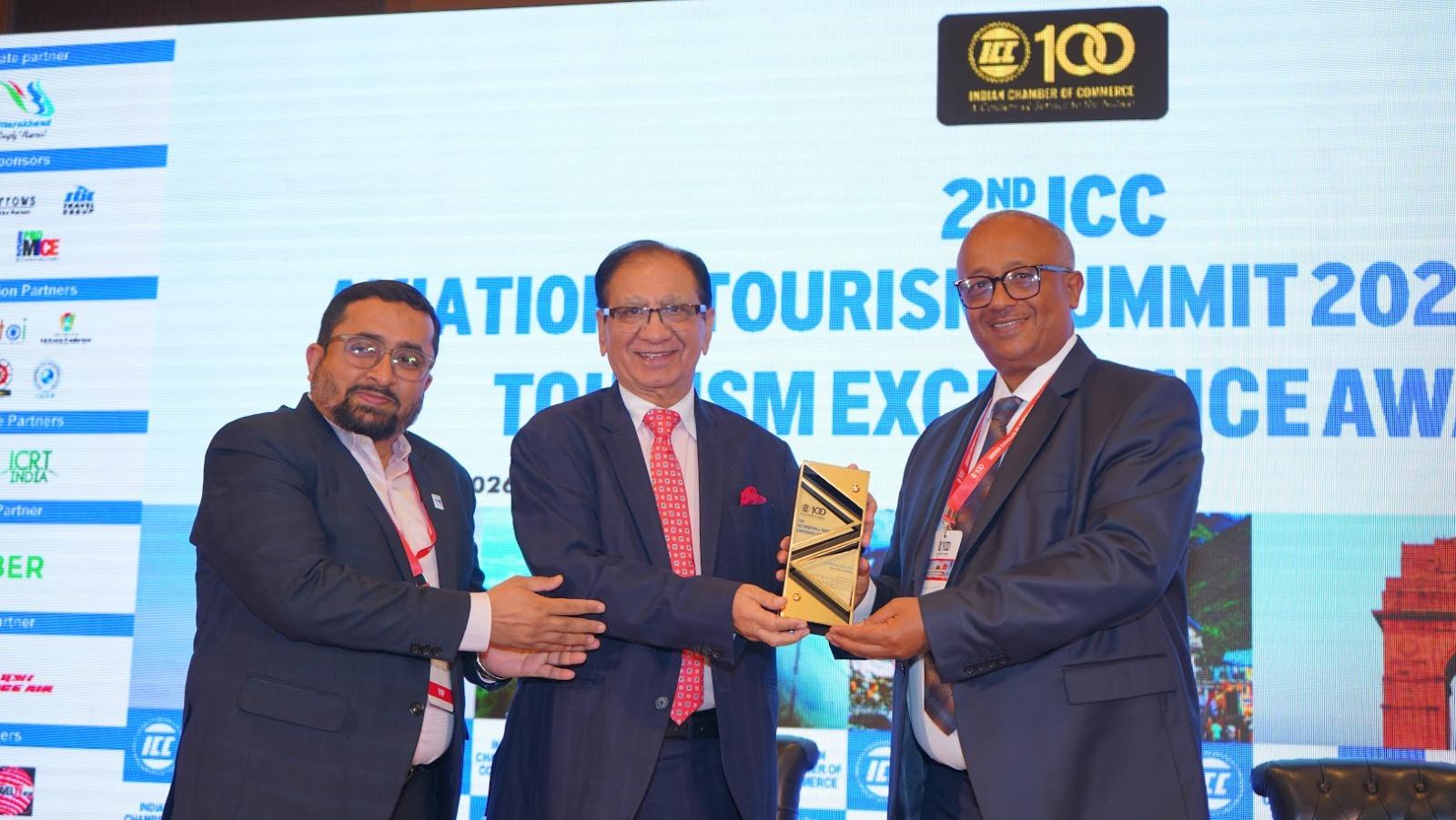
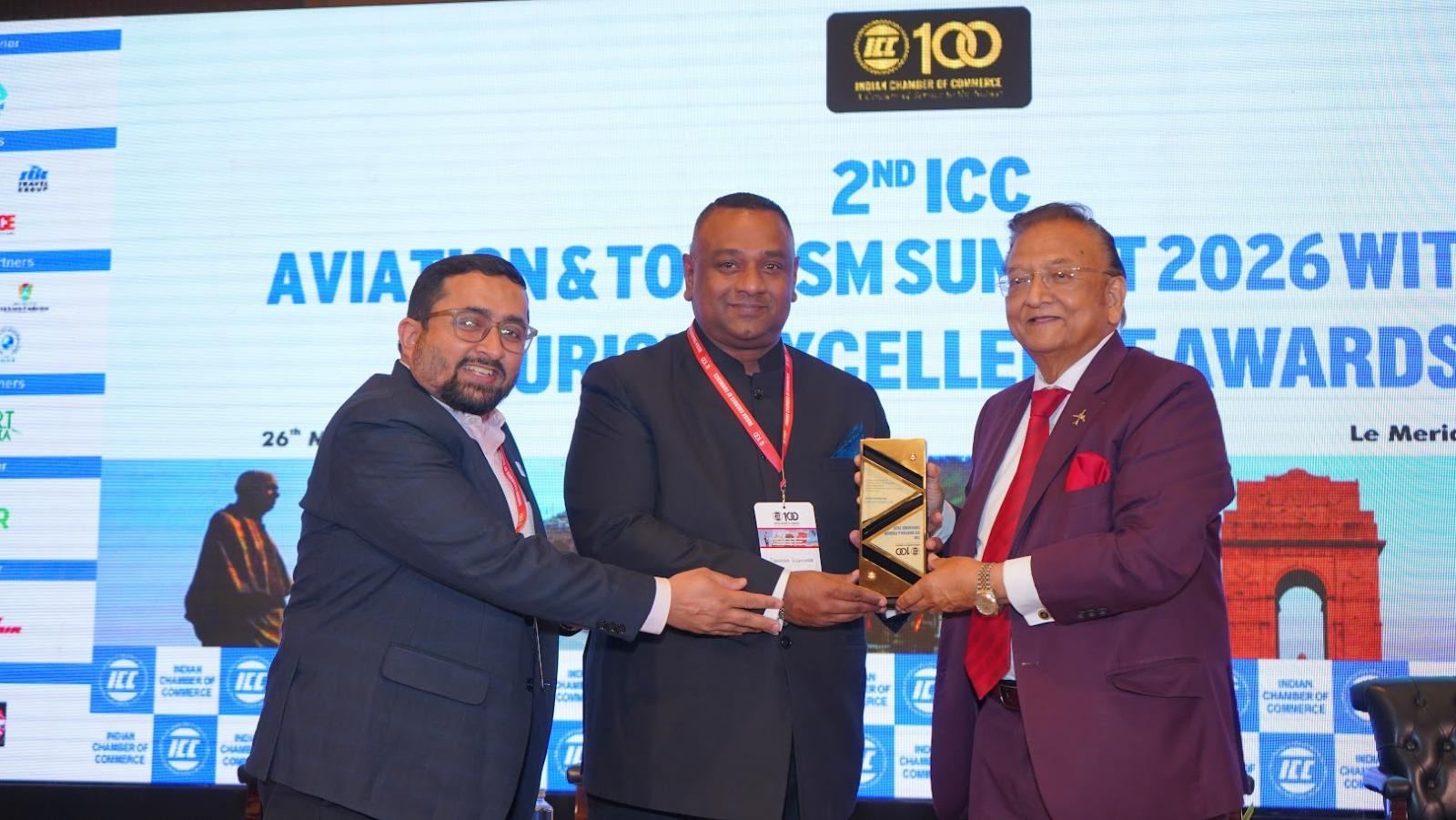
Besides the sessions, the individuals and airlines were also awarded for their noteworthy work. Amitabh Kant, India's G20 Sherpa and Former CEO of Niti Aayog; Dr. Sudhir Mishra, Indian Missile Scientist Chairman DRDO, Former Director General (BrahMos); and Sanjay Kumar Verma, Former High Commissioner of India to Canada and Ambassador to Japan were presented with the hall of fame awards for their achievements and contribution in the aviation sector.
The summit also awarded Sri Lankan Airlines as Best Regional Airline and Ethiopian Airlines as Best African Airline.