Decoding India’s Outbound Imperative
 Cover Story
For destinations around the world, the Indian traveller is no longer just a statistic to be counted, it is a dynamic force that is reshaping global tourism strategies. With a highly connected, digitally savvy, and experience-driven traveller base, India represents not merely volume, but influence, aspiration, and purchasing power. Destinations that aim to win must now rethink their approach to connect with the travellers’ mindset and offer genuine product mix reflecting the destination’s readiness.
Beyond traditional marketing, it is authenticity, emotional resonance, and cultural immersion that now determine whether a traveller chooses one destination over another. Indian travellers expect stories, memories, and personalised journeys, and not just cookie-cutter itineraries, compelling destinations to innovate in both product design and service delivery.
At the same time, the tier II and III cities, urban youth, and the emerging affluent segments are reshaping the geography of outbound travel, forcing destinations to go beyond traditional metro-centric engagement. In an era where the Indian traveller is increasingly decisive, adventurous, and globally informed, the challenge and opportunity, for destinations, lies in understanding them deeply and engaging them thoughtfully, turning interest into visitation.
With outbound spending crossing USD 30 - 35 billion, over 30.8 million Indians travelling overseas in 2024, and growth holding steady in double digits, India now rises as one of the most prominent in travel market strength. Visa norms are being eased, flight capacity expanded, and on-ground infrastructure scaled up, all to just be considered by Indian travellers.
And to meet both ends together, SATTE stands out as the most powerful platform connecting destinations with the Indian travel trade. It’s where new opportunities are unveiled, market stories are shaped, and partnerships translate interest into arrivals.
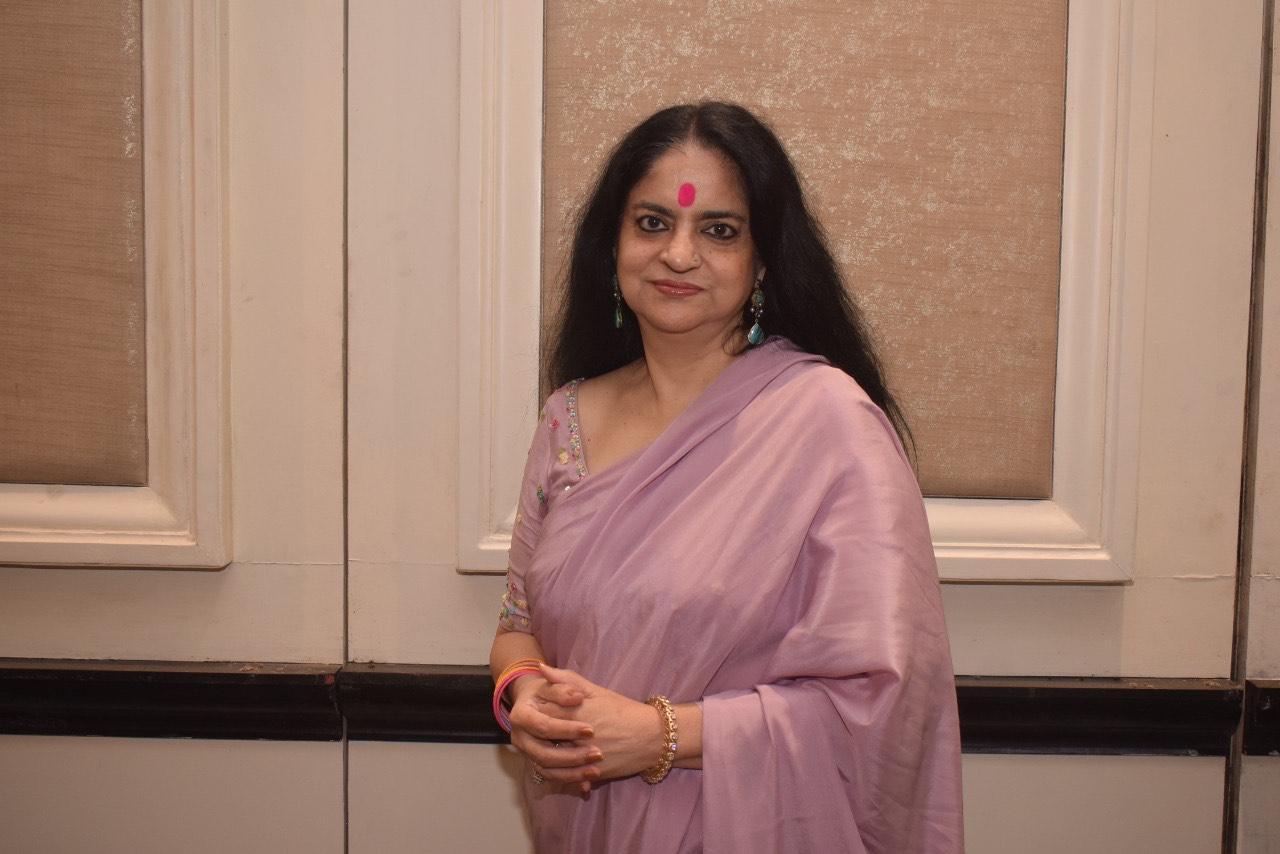
In a recent webinar hosted by T3, titled ‘Unlock India’s Outbound Potential’, the discussion explored India’s outbound momentum and its expanding global footprint, while highlighting how destinations can differentiate themselves in an increasingly competitive market and how SATTE continues to serve as a potential bridge, helping destinations build visibility, trust, and tangible traction in the Indian market. The discussion was steered by Jyoti Mayal, Chairperson of the Tourism and Hospitality Skill Council (THSC).
Excerpts from the discussion below:
India’s Outbound Growth Drivers
Speaking on India’s growth drivers and the global approach to the market, Anshul Gupta, Managing Director, Travel and Hospitality Lead, Accenture, shared that the Indian travel market is distinct in many ways. “From a global standpoint, the world’s largest airlines are in the US, the biggest hotel companies are headquartered in the US, and the largest airports are in the West. The next billion travellers coming online, however, are not from the West, they are emerging from Asia, Africa, specifically India and Southeast Asia. That’s the next wave of growth for global travel and tourism,” he stated.

Gupta highlighted that for global players to connect effectively with Indian travellers, localisation of value propositions is key. “There’s a strong middle-class growth story unfolding across Asia, especially in India. With rising disposable incomes, this segment is now aspiring towards premium and luxury travel. These travellers prioritise convenience, they want everything at their fingertips,” he said.
He further added, “Brands must deliver convenience through their primary interaction channels: digital. Your website, portal, or mobile app should offer a seamless experience. That’s where technology becomes a key differentiator. Moreover, the source of discovery has transformed: from word of mouth to Google, then to social media, and now to microcontent and generative AI.”
“From customer experience to marketing and operational efficiency, agentic AI has immense potential to attract and retain Indian travellers. Leveraging AI effectively will be key for destinations and travel brands aiming to capitalise on India’s growing outbound market,” he concluded. These three factors are driving the new wave of travel demand.
Adding to the discussion, Vasudha Sondhi, Managing Director, OMPL Group, noted, “If you look at the urban youth, and I emphasise youth, this segment accounts for roughly 151 million out of India’s 430 million total youth population as of 2024. This upwardly mobile group is among the strongest drivers of outbound travel.”
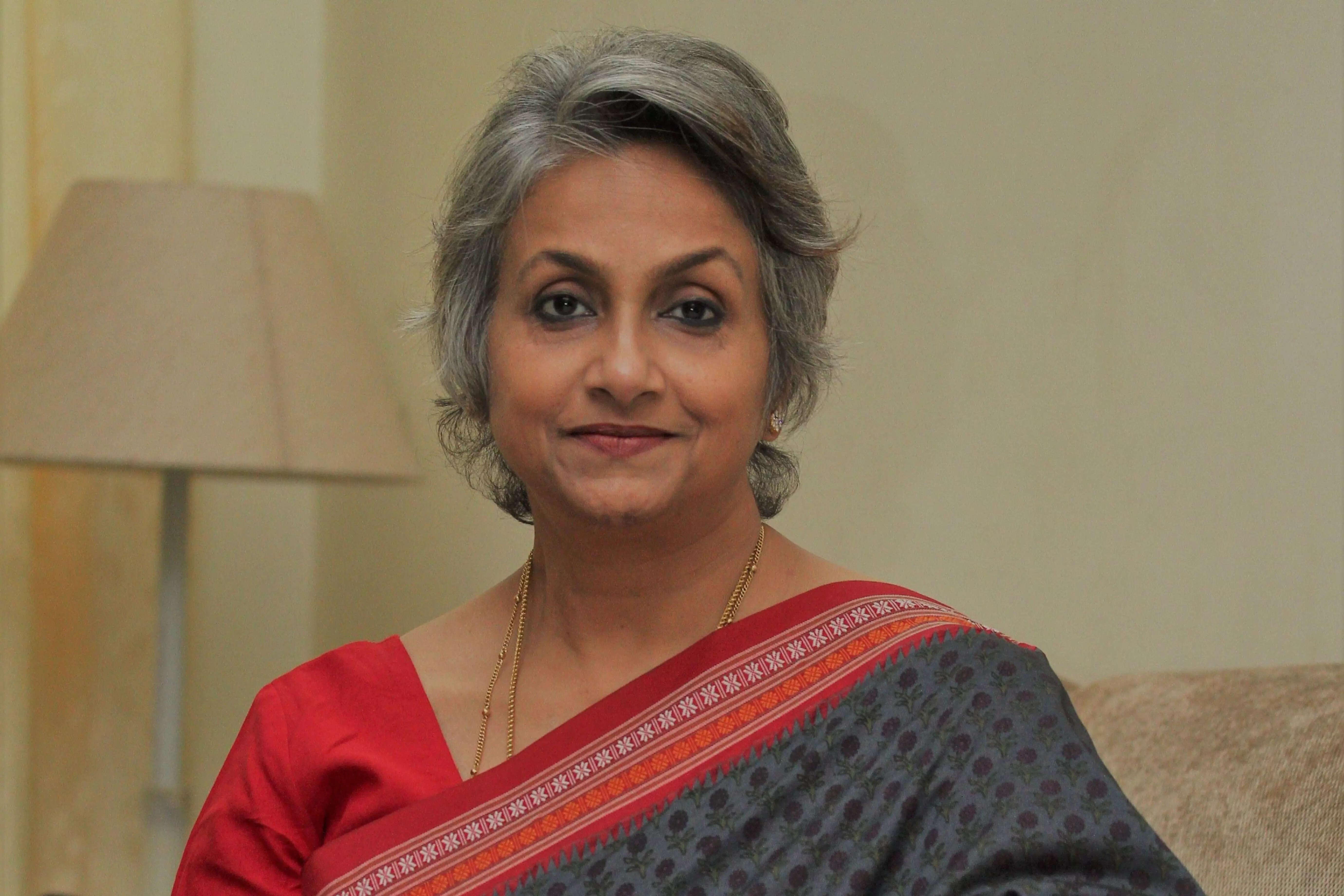
She further highlighted other key growth contributors: “The second major driver is the boomer generation, aged between 60 and 79 years. People are living longer, healthier lives, and many from Tier I and II cities now want to spend their savings on travel.” The third big factor is social media: it’s amplifying everything. Today’s Gen Z, Gen X, and late millennials seek experiences and prioritise work-life balance, making travel an integral part of their lifestyle.
Connectivity - The backbone of outbound growth
Highlighting the crucial role of aviation in shaping India’s travel landscape, Abhishek Goyal, Executive Director & CEO, Aeroprime Group, emphasised that airline connectivity remains the backbone of the urban travel industry. “India is currently the fifth-largest aviation market in the world, offering immense potential for outbound travellers. In 2024 alone, outbound trips accounted for nearly 25 million passengers,” he noted.
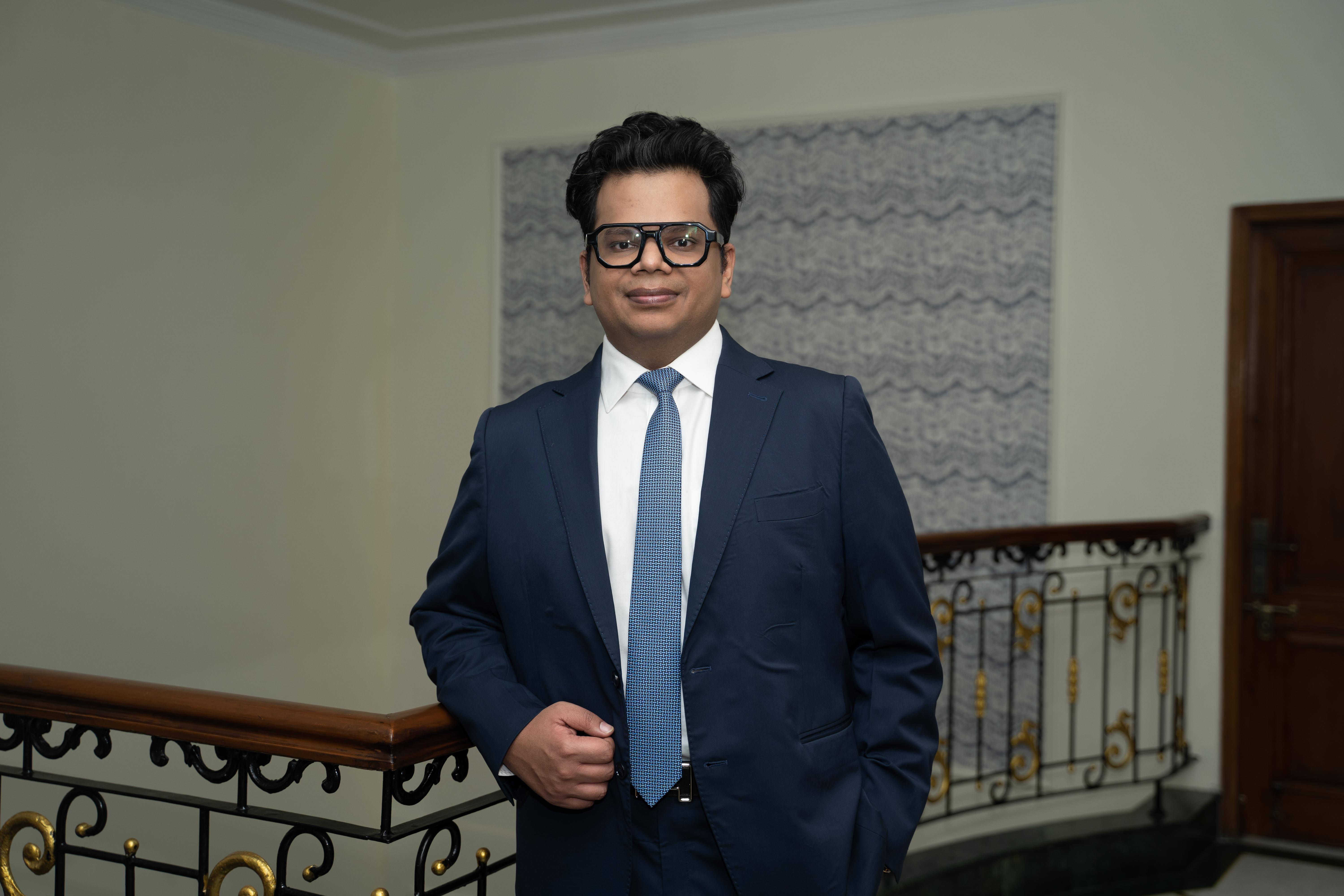
Projecting future growth, he added, “If India continues on its current trajectory, the number of outbound passengers could reach between 80 and 90 million by 2040. There’s still significant untapped potential, fuelled largely by economic expansion and rising per capita income.”
Abhishek pointed out that expanding routes today goes far beyond adding new flights. “It’s about building awareness, accessibility, and inspiration for travellers,” he said. Citing Vietnam as an example, he explained, “Before COVID, Vietnam was relatively unheard of as a leisure destination. However, with the introduction of direct connectivity from multiple Indian cities, it has transformed into a booming market.”
He further added that destinations in Central Asia, such as Georgia and Uzbekistan, are witnessing similar success stories. “The key drivers are direct connectivity and the growing aspiration among travellers, particularly from Tier II and III cities, to explore newer destinations. This aspiration, coupled with better access, is shaping the next phase of outbound growth,” he concluded.
He also added, “This trend is also complemented by ease of visa access, which is a crucial factor for outbound travellers. For example, destinations such as Vietnam, Cambodia, and Uzbekistan have introduced e-visas that can be processed within two or three days. Similarly, countries like Malaysia, Thailand, and Kazakhstan now offer visa-free or visa-waiver facilities for Indian travellers. As a result, we’re seeing tremendous outbound growth to these destinations.”
“The Indian market, as a whole, is a late-booking market,” he continued. “People often plan spontaneous getaways, especially during long weekends, at the last moment. Naturally, they prefer destinations that offer easy and direct connectivity, as well as simple visa procedures. All these factors together are empowering outbound travel from India.”
He further noted that domestic connectivity plays an equally important role. “As airlines, the domestic connectivity are key enablers, especially since a major share of outbound traffic now comes from Tier-II and Tier-III cities. The future of outbound travel clearly lies in these markets, and airlines will increasingly depend on stronger domestic linkages to tap into them,” he said.
Goyal also emphasised the need to maintain a balance between inbound and outbound travel for sustainable growth. “Outbound and inbound need to balance each other. Unless both segments grow simultaneously, flights won’t operate at full capacity, and routes may not remain profitable. India should therefore consider easing restrictions on bilateral air service agreements and pursuing open skies with more countries. Real-world examples like Thailand and Singapore show how open skies policies have significantly improved connectivity, even from Tier-II and Tier-III cities,” he explained.
He concluded, “To strengthen the ecosystem further, India must not only promote inbound tourism but also position itself as a transit hub. This dual approach will help sustain growth and enhance connectivity across both directions.”
Dynamic bundling is the future
Discussing personalisation and role of dynamic bundling in travel, Gupta highlighted the ongoing “offer and order transformation” in the industry. “Traditionally, even for most airlines, booking multiple hotels across different cities or combining a trip’s entire itinerary into a single booking is still challenging. Adding flights, hotel stays, and car rentals into one seamless order, similar to a retail shopping experience, is the next frontier,” he explained.
Anshul emphasised the importance of tailored experiences for Indian travellers. “While a Western traveller may prioritise a quiet room far from the elevator, Indian travellers often seek bundled services such as airport pick-up and drop, access to communal lobbies, cultural tours, or late-night lounge access. Dynamic bundling allows global destinations and providers to cater specifically to each market, meeting travellers’ unique expectations, in the way Indians want to travel.”
Destination marketing & ground reality
Sondhi highlighted a critical challenge in destination marketing. “We had just confirmed two large groups to a European destination at a hotel we represent in India. The business was confirmed, advances paid, everything settled, by the end of the first quarter of this year. But when the groups applied for visas, the embassy refused them, citing staff shortages.
“The second reason was even more alarming: over-tourism. We represent international hotel chains and design marketing strategies for national tourism boards. There is clearly a gap between how destinations are messaging here in the Indian market and their actual carrying capacity. Destinations want everything: FITs, MICE, weddings, events, but the reality doesn’t always match the promise.”
Sondhi emphasised the complexity of marketing in India. “It is a difficult proposition. The market is diverse - varying age groups, languages, cultures, interests, and requirements. Hotels today are not just places to sleep; they form an integral part of the travel experience. Guests increasingly seek empathy-driven experiences, ones that create lasting memories.
She further explained the evolving nature of partnerships. “National tour operators are increasingly digitally powered, enabling online bookings. Hotels and tourism boards now have to decide whether to partner with a digitally savvy operator or a luxury travel company with the right clientele but limited digital footprint. Collaborations between tourism boards and digital travel companies, or luxury hotels and boutique operators, are thriving, depending on the business objectives.”
Sondhi also highlighted the rising trend of influencer collaborations. “Operators bring influencers to destinations, and hotels or tourism boards collaborate to create compelling stories. This triad of tour operator, influencer, and destination is increasingly shaping authentic narratives that resonate with Indian travellers.”
Emerging trends in the India market
Mahendra Vakharia, Managing Director, Pathfinders Holidays Pvt Ltd., highlighted the evolving expectations of Indian travellers. “Our travellers are much more demanding than anyone else in the world because we expect the best.” He identified three key factors that define what Indian travellers demand today when planning or booking a holiday.
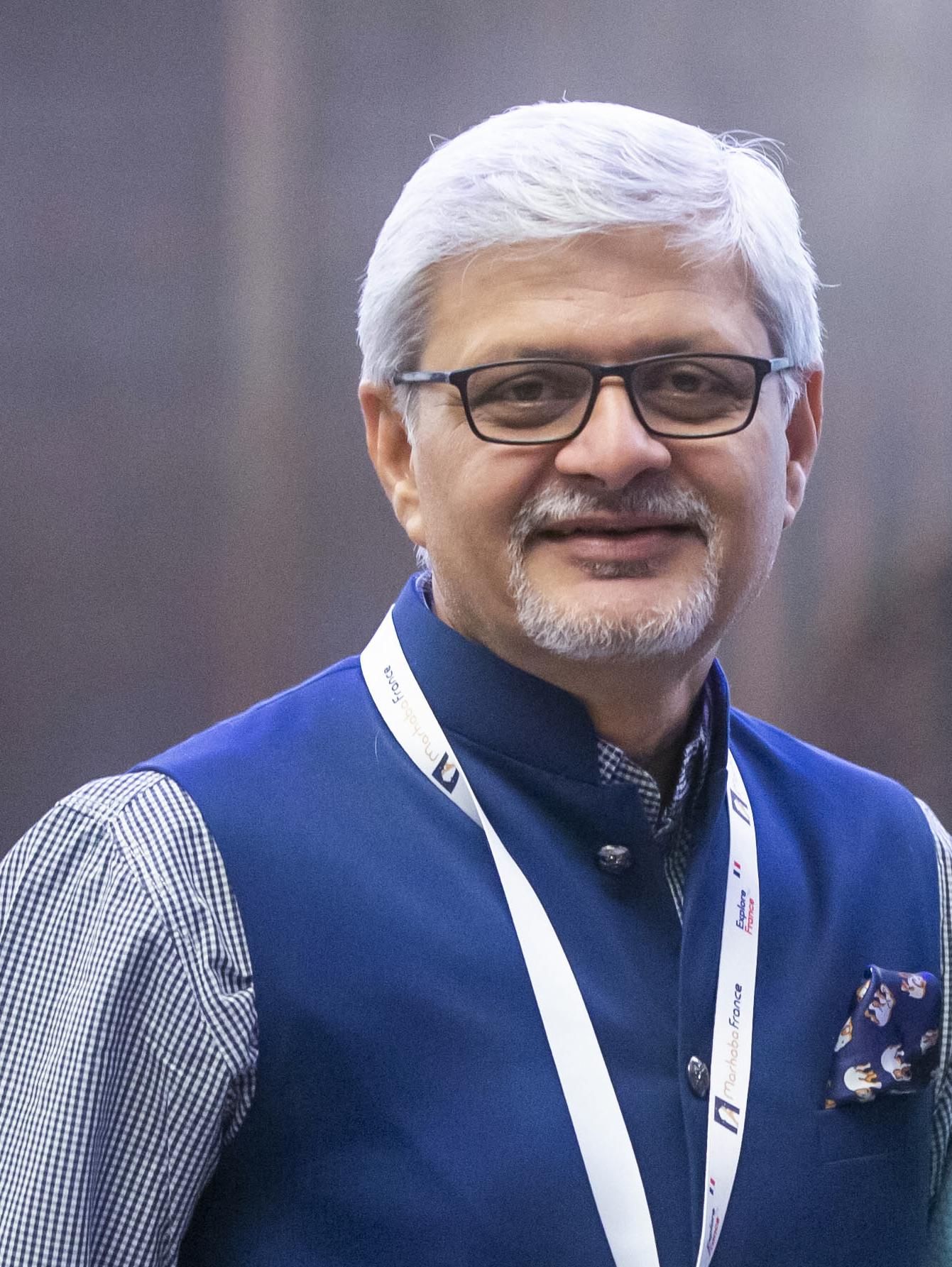
He elaborated: “Firstly, travellers seek a combination of experiences. It could be the ease of planning the entire trip and arranging travel logistics. Most importantly, they want value. Indian travellers are no longer simply ticking off landmarks; they want experiences that touch their hearts. Travel isn’t just about where we go, it’s about why we go there. Passion and purpose are now driving travel choices more than destinations themselves.”
He further added, “The Indian traveller today is definitely much more mature, sophisticated, adventurous, and highly connected, both digitally and technologically.”
Mahindra emphasised the importance of seamless logistics. “Even the basic hurdle of not getting a visa can defeat all marketing efforts for a destination. Ease of travel matters as much as the experience itself. Convenience and flexibility can make or break a trip. Clients are willing to pay a little more for smoother connections, direct flights, fewer flying hours, and the reassurance of 24/7 support from a travel advisor.”
Value for money is another critical factor. “It’s no longer about the cheapest option. Indian travellers are willing to spend significantly on tailored experiences. Luxury safaris, wellness retreats, or curated itineraries may cost more, but the perceived value comes from exclusive benefits like early check-ins, late check-outs, complimentary room upgrades, dining credits, or spa treatments during the stay.”
On how destinations should adapt, Vakharia concluded: “Destinations must reimagine the travel experience for Indian travellers. Products need to be designed differently, incorporating cultural, culinary, adventure, and wellness elements. The key is to deliver memorable, personalised journeys that resonate deeply with this discerning audience.”
SATTE – A launchpad for global destinations & products
Pallavi Mehra, Sr. Group Director and Publisher - Travel Trends Today, Informa Markets India, shared, “We are witnessing a clear shift in strategies, objectives, and approaches among the various brands we work with. Today, there is a noticeable rise in localised partnerships. Brands launching themselves, whether destinations, hotels, or DMCs, are increasingly collaborating with Indian OTAs and travel agents. The Indian diaspora is no longer concentrated solely in metros but is expanding into smaller cities, so connecting with these markets requires engagement at a local level.”

Mehra further added that itineraries today are no longer rigid or standard. They are experience-driven, designed to create memories that travellers can take back home. “This shift, coupled with the strong adoption of technology, is undeniable. There is no one-size-fits-all approach anymore.”
According to Mehra, earlier, “They would conduct roadshow and then return; now, engagement happens across multiple touchpoints, for both consumers and trade, amplifying the overall impact.”
SATTE expands its reach by taking opportunities right at the doorstep of travel planners through multi-city roadshows in key source markets, covering 75 cities across India. This initiative ensures deep engagement with travel trade communities and retail networks nationwide.
“Over the past three decades, thanks to industry support, we have been able to establish SATTE as the number one platform. Given the scale of the country, SATTE has served as a launchpad for numerous tourism products and destinations, many of which are now household names. For instance, Dubai began participating at SATTE almost two decades ago and used the platform to launch itself. Similarly, emerging destinations like Azerbaijan, Georgia, and BrandUSA have also leveraged SATTE to gain visibility in the Indian market,” she said.
Mehra further noted that in the last edition, SATTE welcomed nearly 40,000 trade visitors over three days, offering a comprehensive product display. “We also focus heavily on knowledge sharing, ensuring that industry leaders are present to deliver meaningful discussions and insights. This allows participants to have access to leadership perspectives to benefit from their expertise.”
Mehra emphasised, “By combining these elements, SATTE continues to evolve with the industry year on year. We aim to encourage new products and destinations to use SATTE as their platform for connecting with the Indian travel trade and sharing their story with the market.”
Therefore, as India’s outbound market continues to expand, destinations worldwide are recognising that success requires more than visibility, it demands understanding, adaptability, and meaningful engagement. Indian travellers today are discerning, digitally connected, and experience-driven, seeking convenience, personalised itineraries, and authentic, memorable journeys.
Destinations that can combine seamless connectivity, simplified visa processes, and curated experiences tailored to these expectations are best positioned to capture their attention and loyalty. From direct flights to dynamic bundling of services, from immersive cultural and wellness offerings to targeted digital outreach, the opportunity lies in meeting travellers where they are and how they want to experience the world.
The Indian market, spanning metros to Tier II and III cities, is diverse and evolving rapidly, and destinations that can anticipate these nuances, balance aspirational offerings with practical accessibility, and create authentic, resonant experiences will not just participate in India’s outbound story, but will shape it.