From Fallout to Footfall: How tourism industry is navigating geopolitical shocks
 Representative Image
The escalating tensions between India and Pakistan following the Pahalgam attack, and the repercussions had triggered a ripple effect across the tourism industry, both domestic and inbound, besides the outbound which is on an upward trajectory. The most immediate impact was felt in Jammu & Kashmir, one of the country’s top destinations that was just entering peak tourist season, alongside other northern hotspots such as Amritsar, Jaisalmer, and beyond. With heightened security alerts, airport closures, and advisories issued by leading airlines and OTAs, India’s tourism landscape went through a rapid, yet uneasy transformation. From cancelled itineraries to jittery travellers, the situation disrupted not just domestic circuits but also inbound travel plans, raising concerns across airlines, tour operators, and policymakers alike.
This story aims to present a comprehensive analysis of the impact of geopolitical developments on the Indian tourism sector. It weaves in voices from the ground, and understand how India is poised to make its way from darkness to light.
J&K’s perspective from the ground
Talking about how J&K is tilting towards the positive side, Capt. Anil Gour, President, Travels Agents Association of Jammu (TAAJ) shared exclusively to T3, expressing that J&K tourism sector always had a see-saw battle with the terror incidents & flow of tourists to the state since 1987 when armed terrorism erupted. “Since then, we have had to work overtime to convince the tourists to come to the state but the question was “Is it Safe?”
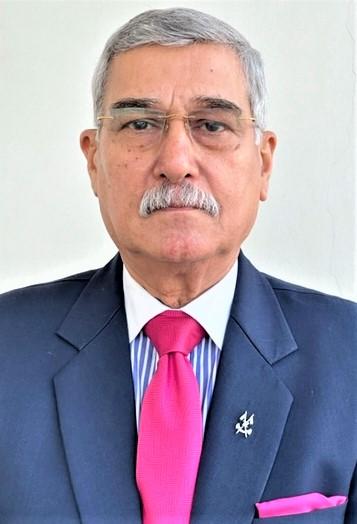
“We would convince many that in all the years of terrorism, tourists were never targeted. However, this fact of ours was shattered in 2007 when a grenade blast took place in the Tourist Coach at Shalimar Gardens. Now the same has again taken a hit on April 22 in Pahalgam. After seeing all the upheavals during the past years, the tourism & hospitality trade players are quite shocked & taken aback by the selective targeting of the tourists based on their religion in this incident,” expressed Gour.
He shared that even during the height of terrorism, the pilgrim tourists did not stop, & the pilgrimage to Mata Vaishno Devi Ji saw an ever-increasing number. But these pilgrims, unlike in the past, did not visit Kashmir but preferred to go to Himachal Pradesh & Rajasthan for their holidays.
Besides, right away after these horrific killings of tourists, the tourism & hospitality fraternity is looking forward to the Amarnath Yatra, wherein, as per the last reports, more than 4 lakh pilgrims have registered. Apart from this, all the travel trade across the country & especially Gujarat, Maharashtra, Tamil Nadu & West Bengal are making efforts to bring in their groups & have assured the CM that they would work towards the revival of tourist inflows, shared Gour.
“Our tourism players, with the assistance of the J&K govt., are again participating in the various tourism fairs across India & abroad making the effort to remove all misgivings in the people and convince them to visit our state”, explained Gour. “Our efforts will definitely bear fruit as the positive impact of ‘Op Sindoor’ is foremost in their minds. However, the return of the same hustle and bustle of tourists will only return sometime next year & we have to be prepared for it.”
When asked about the strategies and initiatives in place from the centre, Gour noted that the govt. has focused on enhancing tourism infrastructure, promoting cultural tourism, and strengthening security measures to boost visitor confidence. This includes revamping schemes like Swadesh Darshan and PRASHAD, developing new tourist routes, and providing financial assistance to state governments for tourism projects. The govt. is also pushing the Udan scheme for connectivity, improving road connectivity along with developing tourist circuits. There is also an emphasis on promoting cultural and heritage tourism, viz. Dekho Apna Desh, explained Gour.
A major thrust is also said to be given to enhance security and safety, deploying tourist police & strict security protocols at tourist attractions, promoting safe travel practices by educating about the potential risks & implementing strict security protocols at tourist attractions.
Mentioning the steps taken by the J&K UT govt, Gour explained that the govt. will explore the possibility of loan deferments for at least two quarters, which would provide temporary relief and reduce financial stress on stakeholders. This package would extend support to hotels, houseboats, shikaras, taxis & handicraft establishments. To attract tourists, holding unique shopping festivals on the analogy of those in Dubai will also be explored. Govt will be restarting the laser fountain shows along with engaging artists for live cultural performances to ensure tourist interest is evoked to visit the state. Apart from all this introducing other attractions to enhance the tourist experience will also be explored, revealed Gour.
He further noted that active participation in tourist trade fairs within the country & abroad will also be done to increase visibility & also enhance the confidence of the tourists to visit the state. Fam tours will be organised to allow tourism players to visit the state & have a firsthand experience of the conditions, enabling them to send their groups. The govt. will also invite the corporate sector to avail LTCs and host meetings in the region, holding government conferences in J&K and seeking reductions in airfares to make travel more affordable.
Industry voicing support
Prominent associations like TAAI, Skål International, and IATO have adopted focused approaches, respectively, to strengthen India’s tourism landscape, with special emphasis on uplifting Jammu & Kashmir’s tourism potential.
Skål International launched its Jammu & Kashmir club to spotlight the region’s rich cultural heritage and stunning landscapes on a global stage. TAAI rolled out the “Let’s Visit J&K” campaign to boost local tourism, support livelihoods, and drive economic revival. Meanwhile, IATO has extended a supportive gesture by waiving off membership fee for its J&K & Ladakh Chapters due to geopolitical sensitivities.
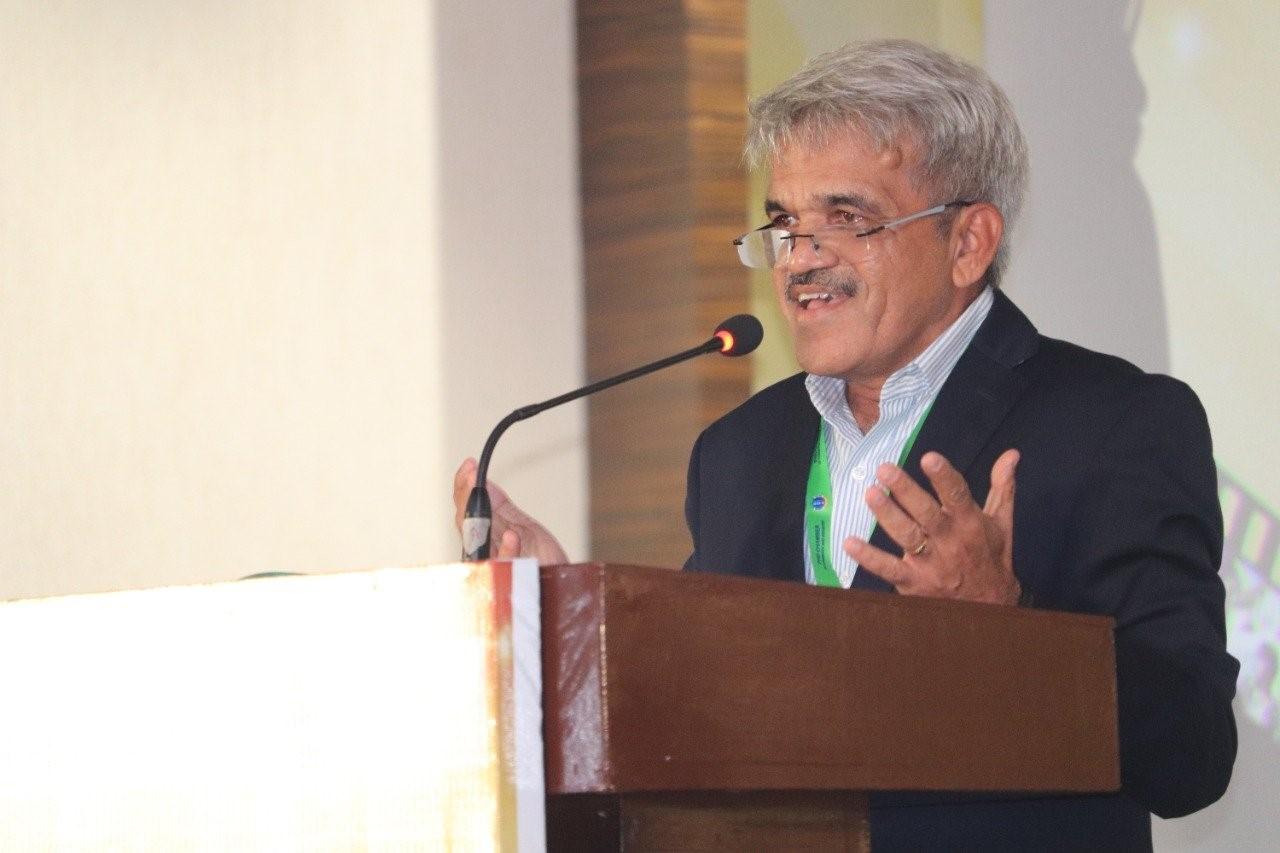
Speaking to T3, Rajan Sehgal, Chairman of the Public Relations Council and Member of the Managing Committee, TAAI, expressed that Jammu & Kashmir has set an inspiring example by emerging as a top tourism destination post-pandemic. “Over 8 lakh visitors arrived within just 20 days to experience the Tulip Garden, and the tourism industry was witnessing a strong revival. This cowardly act was intended to disrupt that momentum, but I can assure you — the tourism industry in J&K will bounce back very soon.”
He added, “Our prime minister recently held a review meeting with the Ministry of Tourism. Across India, the travel industry is actively working through various awareness campaigns to restore traveller confidence in the region. The Travel Agents Association of India was proud to take the lead with our ‘Chalo Kashmir’ campaign.”
Sehgal further noted, “We will soon have impactful events covering all tourism segments in Kashmir, aimed at restoring the confidence of both domestic and international travellers. India is the only country that offers 365 days of tourism. Unfortunately, some countries that benefitted immensely from Indian outbound travel, including leisure, business, MICE, and weddings, chose to stand against us during a time of crisis. In response, our travel industry has shown unity and resolved to boycott travel to those nations. This will undoubtedly give a strong boost to domestic tourism.”
Newly appointed IATO President Ravi Gosain expressed to T3 that the recent Pahalgam incident has understandably shaken traveller confidence, casting a shadow over Jammu & Kashmir’s growing tourism momentum. While the region had been experiencing a strong revival, such incidents reignite long-standing concerns about safety, particularly among international tourists and first-time domestic visitors.
“This not only affects J&K but also creates ripples across India’s broader tourism industry by reinforcing outdated perceptions of instability”, shared Gosain. Tourism in J&K may see short-term cancellations and reduced footfall, especially during peak seasons and early summer holiday season. Many travellers may defer or cancel trips due to safety concerns, especially families and international tourists. The incident is said to create a temporary trust deficit that will influence travel decisions.
To sustain long-term growth, Gosain suggested that India must invest in robust crisis management, regional stability, and destination rebranding. J&K’s natural and cultural allure remains undeniable, and with the right measures, it can reclaim its status as a crown jewel in India’s tourism landscape. The trade associations are standing united on this front and are upbeat about Kashmir being vibrant with tourist footfalls.
Sharing expert insights in a recent virtual event titled “Turning Tides: Navigating Upcoming Tourism Trends”, hosted by ATOAI, Ajeet Bajaj, President, ATOAI, also opined that the first thing that needs to be done as businesses is build a support system. It is critical to have real buddies in the business, whom one can bank upon, whether it’s for advice, a bit of cash or a shoulder to cry on.
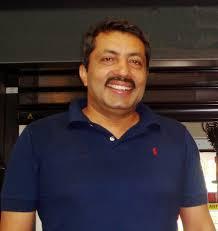
“I do feel that a lot of human battles are fought in the human mind, and we win or we lose depending on our mental makeup. As businesses, it’s very critical for us to build reserves for at least nine months to one year so that even if hell breaks loose, we still sleep easy.”
He noted that planning for crisis situations is absolutely imperative. “We must all risk assess our businesses, look at all possible scenarios, look at all possible things that can potentially go wrong and find a solution and put it down on paper. I think, as they say in the Indian Army, The more you sweat in peace, the less you bleed in war.”
Another important aspect he shared is having the communication templates, and in times of crisis, we have to be really good as far as communication is concerned. “Atithi Devo Bhava, guest is God. We have to continue to show our guests what we are about as a company.”
During the same event, Ajay Prakash, President, Travel Agents Federation of India (TAFI) expressed, “We’ve just seen the bottom drop out of a state that was doing so phenomenally well. Life in Kashmir had changed radically over the last few years. People were making money. People were smiling. Tourists were travelling there. There were even jams occasionally in Srinagar, all of which was to show that tourism was alive and kicking. And overnight, it was gone.”
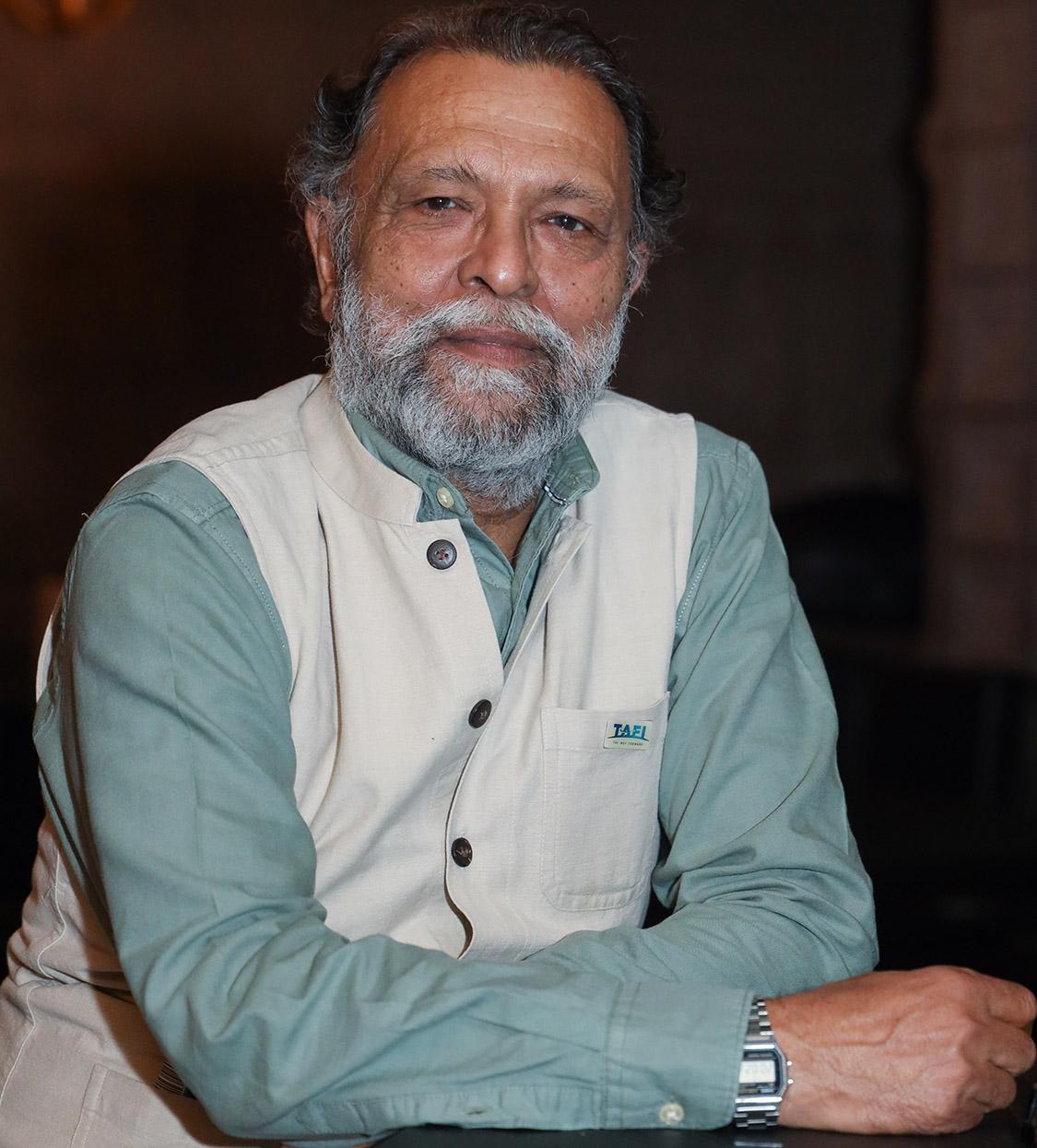
“This will continue to haunt this business. Nobody could have anticipated that this kind of a thing would happen, but one can prepare for the times when business is disrupted, regardless of what the reasons are.”
He further added that tourism is the most vulnerable segment; whether it is a man-made calamity or a natural disaster, travel and tourism is the first segment to get severely affected. “I have to say, charge professional fees. Whenever someone asks you for an itinerary, you send them not one but three itineraries. And at the end of the day, they go and book elsewhere. You’ve spent time and effort finding the best solutions for them. You have only those 8-10 working hours in the day; you’ve got to make them count. When people come to you asking for service, be prepared and make them also aware that your services are professional services and come at a price”, expressed Prakash.
Further on how tourism can be a tool for peace, Prakash shared that this industry is only about people and must leverage that. When people come and stay in a place and interact with people, that’s the best sort of advertisement for a destination. There is a role that tourism can play. It is a universal fact that tourism can be used as a tool for peace.
Stakeholders’ opinion
Himanshu Patil, Director, Kesari Tours Pvt Ltd, expressed to T3 that the recent attack in Jammu & Kashmir was one of the worst tragedies in recent times. It was a cruel act against humanity, clearly meant to disturb peace and stop the progress the region has been making. “But we, as a nation, understand what they are trying to do, and we will not let them succeed. The pain and loss are deep, and our hearts go out to the families affected. Kashmir is strong, and so are its people. One of the best ways we can stand against such fear is by continuing to support and visit Kashmir,” added Patil.
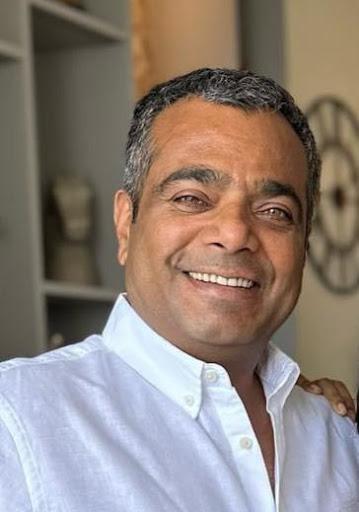
He assured saying that normal life will return soon and tourists will come back. And once again, Kashmir will be known for its beauty, culture, and warm welcome to all. For the way ahead, Patil suggested taking up (a) real-time travel advisories and transparent updates to keep travellers informed and reassured; (b) promoting safer, cooler, and less crowded destinations—from the Northeast to hidden hill gems in the South; and (c) strengthening partnerships with local authorities for better on-ground support and response.
Dhruv Shringi, Co-Founder & CEO of Yatra Online, drew from his extensive industry experience to share advice, emphasising the importance of being “internally tough and resilient” to navigate the evolving travel landscape.
“This industry is not for the faint-hearted. Whether we like it or not, we are among the first to be impacted when anything negative happens. At the same time, we are also among the few that benefit from positive trends, such as the rise in disposable income among the younger population. Resilience is essential to withstand the challenges this industry presents”, explained Shringi.
He further shared that the country has been through a harrowing incident. The repercussions of this will be felt for a long period of time in certain segments of the industry. The inbound tourism sector was already reeling under the pressure of COVID. And long-haul travel being impacted in more mature European markets. He advised that one need to figure out which customer segment is going to be most resilient.
Shringi shared that in the last 20 years, he found domestic tourism to be the most resilient sector of this ecosystem. “In absolute terms, we added about 140 million domestic trips in the 20-year period. The next 140 million trips will be added in less than five years. That is the kind of growth that we are seeing as a country right now when it comes to domestic travel.”
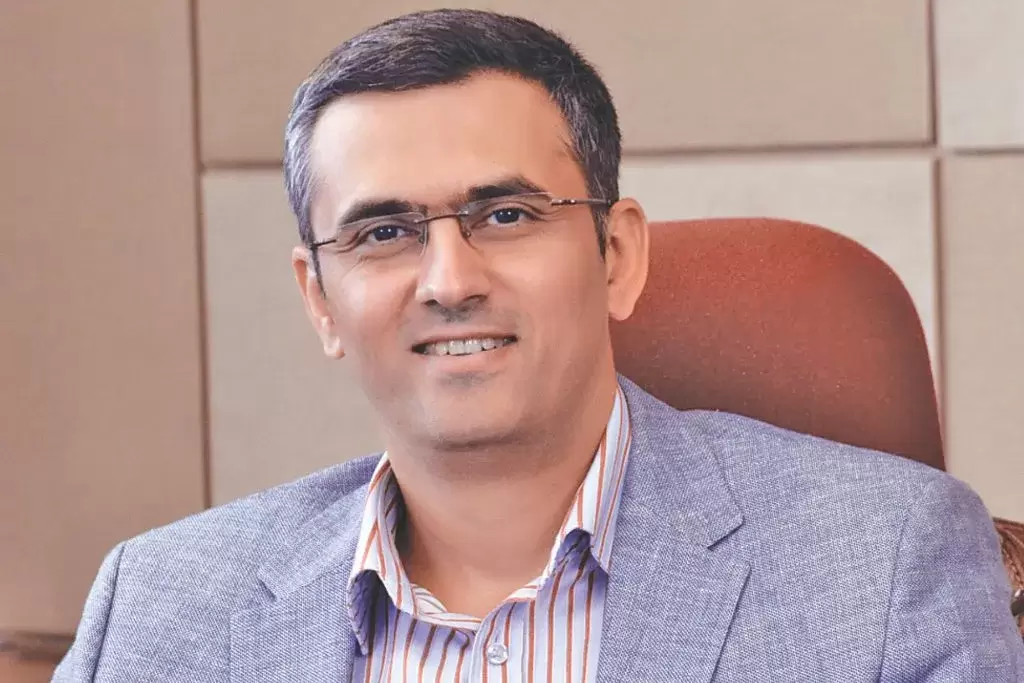
“We need to start moving closer to where the customer behaviour is and make sure that you as a company are in line with where the consumer trends are moving. Because if you are not adaptive enough to change with the times, you will get left behind”, expressed Shringi. “And the frequency of change today is like the frequency that we’ve never witnessed before.”
He also highlighted another problem: this service can easily be replicated. Today the risk is not much for the two or three other players out there. The risk today lies in how technology is lowering entry barriers, enabling a group of individuals, perhaps in a small room, to code their way to a solution that could be truly groundbreaking from the customer’s perspective. “If you’re stuck in a particular mindset, it can pose significant challenges for you and your organisation,” noted Shringi.
“I’m looking for solutions that have the potential to disrupt us and asking, can we adopt them ourselves to drive internal disruption before an external player does?” Shringi remarked. He also stressed the importance of cost discipline, cautioning that it’s easy to get swept up in the glitz and glamour of the industry. “Maintaining a lean internal cost structure will be crucial in the years ahead,” he added.
Maximising power of Incredible India 2.0
Gour remarked that sharing that India will launch the ‘INCREDIBLE INDIA 2.0’ campaign and for that, eminent ad filmmaker Prasoon Joshi has been roped in. Aim will be to showcase the rich & diverse spiritual heritage of our country & get international tourists to come & experience it.
Six tourist circuits are being launched in a big way to provide a boost to the sector. Along with the above an ‘Incredible India Helpline’ has been set up on a pilot basis to guide the tourists. The Ministry has also adopted a code of conduct for safe tourism, which contains a set of guidelines to encourage tourism activities to be undertaken with respect to basic rights like dignity, safety and freedom from exploitation of both tourists and local residents, in particular women and children.
Gosain also added that rebuilding trust post-Pahalgam incident requires a multi-pronged, proactive strategy. First, safety assurance must be at the forefront. He recommended close collaboration with the Ministry of Tourism and security agencies to ensure visible, enhanced safety measures in sensitive regions, especially in Jammu & Kashmir. A real-time crisis response mechanism and transparent communication channels must be established to quickly address concerns and misinformation.
Second, he proposed launching a targeted confidence-building campaign under “Incredible India,” highlighting positive stories, testimonials from recent travellers, and behind-the-scenes efforts to ensure tourist safety. This should be complemented by familiarization (FAM) trips for foreign tour operators, bloggers, and media to witness ground realities and share authentic narratives globally.
Third, Gosain suggested there must be a renewed focus on travel insurance, emergency helplines, and trained tourist police to give both domestic and international tourists added confidence. Additionally, promoting alternative destinations within India that offer safety, cultural depth, and nature-based experiences can temporarily ease pressure on affected zones while maintaining travel momentum.
Finally, dialogue with stakeholders at all levels, from local communities to international partners, will be critical in ensuring transparency, resilience, and a unified front in restoring India’s image as a safe and welcoming destination.
Are summer travel patterns changing?
IATO anticipates a reshaping of summer travel patterns as tourists gravitate toward destinations perceived as safer. Destinations in Himachal Pradesh, Uttarakhand, Sikkim, Meghalaya, and Arunachal Pradesh are already witnessing increased interest due to their scenic beauty, cooler climates, and relative stability. Additionally, South India, with hill stations like Ooty, Coorg, and Munnar, is emerging as a strong alternative. This shift is leading to the diversification of tourism circuits and creating opportunities for lesser-known regions to emerge.”
“We’re also seeing a surge in demand for offbeat and experiential travel, including wellness retreats, nature-based tourism, and cultural stays. States like Odisha, Chhattisgarh, and Madhya Pradesh are gaining traction due to their rich heritage and lesser tourist congestion”, shared Gosain.
Sharing on a similar line, Patil noted that this year’s early summer travel in India has seen a distinct shift, largely influenced by the extreme heatwave conditions. These factors disrupted regular travel patterns— leading to delayed plans, increased cancellations, and a noticeable movement away from traditionally popular yet overcrowded and heat-prone destinations.
Travellers are opting for short, spontaneous getaways closer to home rather than long, pre-planned vacations. There is a growing preference for cooler climates and offbeat destinations, especially in hill stations and the picturesque regions of Northeast India, Patil shared.
Eco-conscious choices are gaining momentum as well, with more tourists selecting nature-centric accommodations and sustainable travel options. He shared that high airfare costs have also nudged travellers toward scenic road trips and comfortable train journeys, making the journey just as important as the destination.
Destinations such as Meghalaya, Sikkim, Coorg, Wayanad, Ladakh, Spiti, and Dandeli have witnessed a sharp rise in interest. There’s also a notable increase in travel to lesser-explored hill stations in South and Northeast India, appealing for their cool weather and authentic local experiences.
Talking about how the current travel scenario is shaping up, Prakash raised a question: why is it that everybody wants to go to Nainital or Simla or Mussoorie? It’s a job as professionals to be able to offer these opportunities and to say, “Look, here is an alternative, which is less crowded, which is more peaceful, which is probably less expensive as well, and will be more fulfilling”.
“Previously, all they would do was, in five days, they’d cover like six places, and all they do is go click, click, click. They weren’t looking at what was happening, and that has changed”, shared Prakash, saying that the younger traveller is looking at slow travel and experiences.