LPG disruptions squeezing the Indian hospitality ecosystem? Industry voices concerns
 Representative Image (12)
Stakeholders have acknowledged the gravity of the crisis has particularly hit the small and mid-sized segment. For hotels and restaurants, the disruption has had a direct impact on daily operations, margins, and guest experience. Beyond availability affecting somewhat 40% of hotel businesses regionally, the fluctuating LPG prices are intensifying operational challenges too. T3’s exclusive report below digs in deeper:
India’s hospitality sector is feeling the heat of what is being described as one of the most severe global energy disruptions in decades, triggered by the ongoing West Asia conflict and the partial blockade of the Strait of Hormuz, a critical artery through which most of the world’s fuel shipments pass. For India, which imports nearly 60% of its LPG requirements, the crisis, which now seems to have taken a bit of an upturn, had somehow exposed deep structural vulnerabilities in fuel dependency, with hotel related businesses taking the wrath.
The experts that T3 spoke with have confirmed that the hotels, restaurants, and catering businesses, heavily reliant on LPG for daily kitchen operations, are facing price spikes, supply inconsistencies, and operational strain.
The hospitality sector that represents a massive ecosystem supporting millions of livelihoods, estimates that this is the worst supply distress in recent years. From hotel and restaurant employee to gig delivery workers, farmers, and food suppliers, the ripple effects of these supply-side shocks are being felt across a long, interconnected value chain.
Operations hit, smaller players worse affected
Industry bodies have acknowledged the gravity of the crisis has particularly hit the small and mid-sized segment. For hotels and restaurants, the disruption has had a direct impact on daily operations, margins, and guest experience.

KB Kachru, President of the Hotel Association of India (HAI) and Chairman – South Asia, Radisson Hotel Group, emphasised the core threat to the sector. “Restaurant and hotel kitchens rely heavily on LPG for their operations, and any supply shortages or price hikes disrupts their functioning across the country,” he stated.
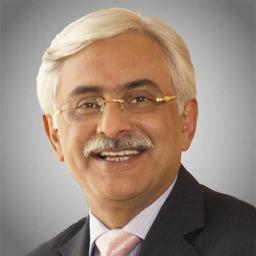
Author & Strategic Advisor, Rattan Keswani pointed out that crisis impact is heavily segmented. Hotels that historically shifted to PNG or electrical equipment are significantly in better position than those entirely dependent on LPG cylinders. Conversely, food carts, small vendors, small standalone businesses are facing the harshest realities, as their access to daily small cylinders has been severely restricted, he said.
Keswani further pointed out regional disparities, with geographically constrained areas facing more severe supply bottlenecks.

On the similar lines, Jose Pradeep, MD of Yuvarani Residency and President of Kerala Travel Mart (KTM), revealed the stark reality in Kerala, noting that more than 1,000 hotels in the Ernakulam district alone have faced temporary closures, 40% businesses have come down, resulting in an estimated 50% revenue loss for affected businesses.
MICE holds steady
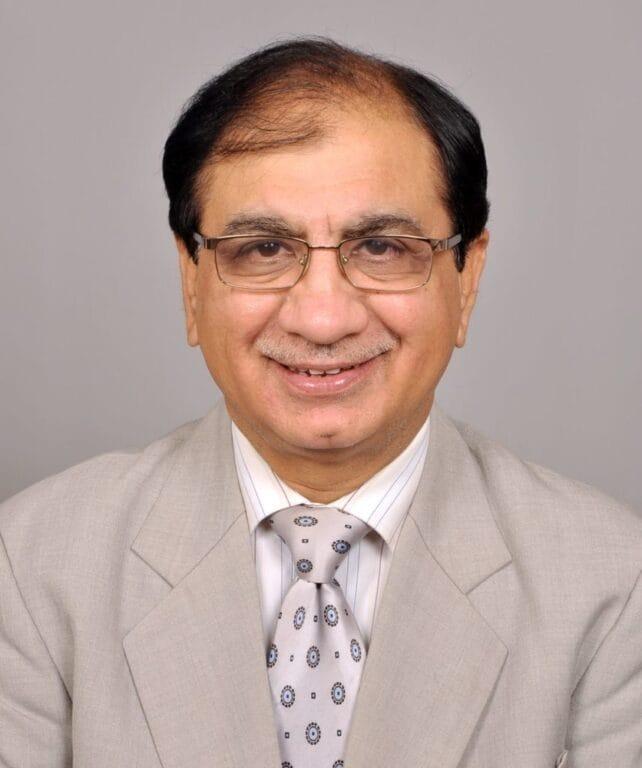
On the contrary, the impact on the MICE segment has remained limited so far, confirmed Chander Mansharamani, ICPB Vice Chairman. He further stated that the MICE sector has not seen any major cancellations, primarily because bookings and logistics are secured well in advance. During a recent conference, he said, among over 3000 people, only five individuals cancelled their attendance.
However, Keswani, adding to this perspective, warned that outdoor catering faces potential challenges moving forward. “Banquet operators may struggle to fulfil menus for massive events booked months ahead if supply chain predictability does not improve.”
Price volatility adding pressures

Beyond availability, fluctuating LPG prices are intensifying operational challenges. Rajesh Sivaram, General Manager, Paramount Hotel, Calicut, told T3 that their business has taken a moderate to significant impact. He said, “Intermittent shortages have affected kitchen efficiency and service continuity, while price fluctuations have increased operational expenses, especially for events, banquets and MICE segment.”
The broader concern lies in the sector’s interconnected ecosystem. Arjun Baljee, Founder of ICONIQA + President of Royal Orchid Hotels Ltd, pointed out that prolonged disruptions could ripple across the entire value chain, affecting employment, supply networks, and service delivery.
Support from the government
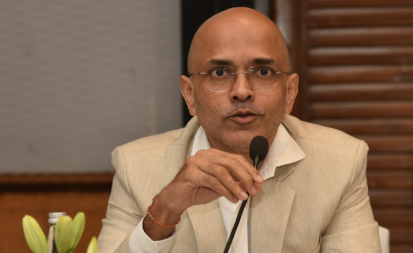
Pradeep Shetty, VP, FHRAI & Spokesperson, Hotel and Restaurant Association (Western India) -HRAWI confirmed that FHRAI’s discussion with the Petroleum Minister and key officials has resulted in 20% increase in gas allocation to hotels and commercial establishments. While there are speculating messages circulating of a 50% allocation to be given, it is not entirely clear yet. Though industry is remaining hopeful that they will get more supply, he said.
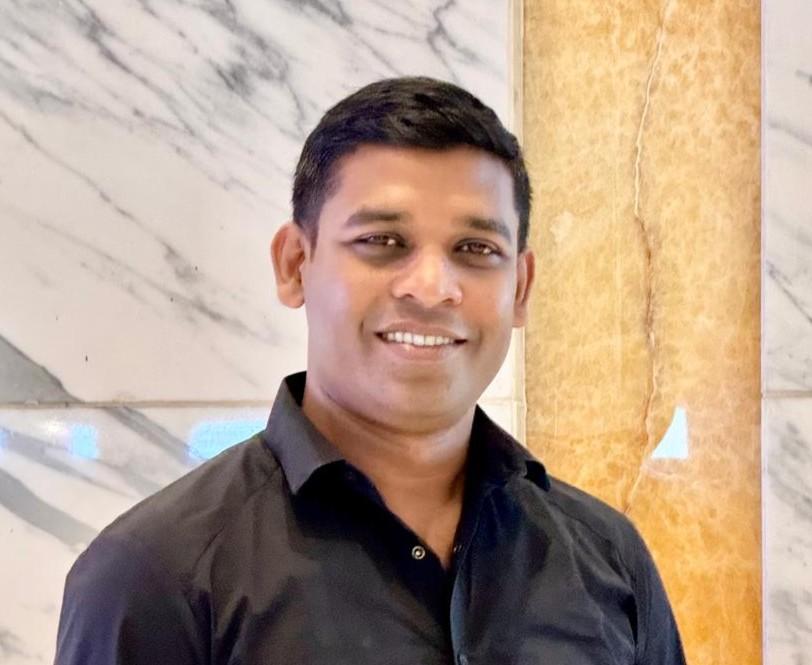
Ramesh Babu, Secretary of the Kovalam Hotels Association, reported a 20% to 30% revenue shortfall for his own properties, noted that government dialogue is yielding results. “One week back, they told us we would be getting a 20% additional gas supply, and from March 23 onwards, I got the 20% share,” Babu shared, adding that while the situation is gradually stabilising, an extended crisis would remain a concern.
Authorities have also introduced operational relaxations, allowing hotels to request additional cylinders for events through official portals based on documented requirements.
Operational Adjustments
To cope with the challenges, hotel operators are implementing tactical changes. The measures include menu rationalisation, batch cooking, simplified buffets, reduced live counters and elaborate formats and increases use of coal, wood and electric equipment, as shared by Sivaram.
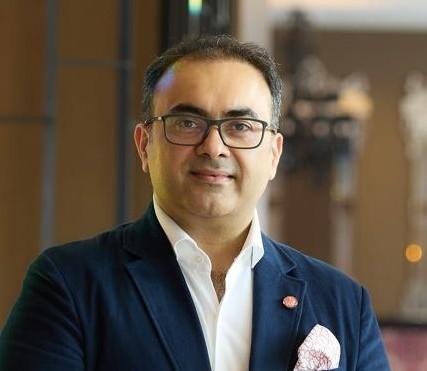
“These steps have helped us to manage the LPG consumption and cost,” he added. “But customer experience and organisation’s efficiency has been impacted to a considerable extent.”
Royal Orchid has implemented contingency measures such as diversifying suppliers, optimising kitchen fuel usage, and using electrical cooking equipment where feasible. Baljee informed that they are strengthening the supplier network and are also exploring alternative and energy-efficient cooking solutions to minimise disruption to guest services.
The smart, structural transition to Hybrid models

The crisis is now pushing the industry towards long-term structural change. Many operators are adopting hybrid kitchen models that combine LPG, PNG, and electric systems to reduce dependence on a single fuel source. Sudhir Jena, Vice President, Corporate, Lords Hotels & Resorts, noted that properties are increasingly focusing on energy-efficient formats, including cold preparations and induction-based cooking.

Sanat Hooja, Partner, Machan Resorts, sees this as an opportunity for nature focused brands to accelerate responsible energy practices by integrating solar cooking solutions and PNG. “In the immediate term, resorts and hotels can focus on energy optimisation and efficient kitchen operations. Over the long term, integrating cleaner alternatives such as piped natural gas, solar cooking solutions, and energy-efficient electric cooking systems can help build greater operational resilience,” he said.

Mitesh Kadam, Co-Founder, Monday Hotels emphasised the long-term lesson and highlights the need of hybrid kitchens capable of operating on multiple energy sources for hotels to improve operational resilience.
Offering a broader industry perspective industry, Keswani highlighted that while the initial days of the crisis posed challenges, most large hotel chains have managed operations with limited disruption, barring 10-15% of locations.
He stressed that the situation underscores the need for structural transformation including transitioning to hybrid kitchen models, investing in alternative energy infrastructure and building resilience against supply chains disruptions. Such transitions may involve significant Capex and OpEx, making them difficult for smaller operations.
Due to surge in pollution in states like Delhi, charcoal use was stopped. But the crisis has forced people to go back to charcoal and firewood. Keswani added, “The government is kind of putting a blind eye to it because it's actually not in the legal framework, but they have no choice but to allow it.”
On long-term planning, Keswani emphasised, “This cannot be knee-jerk shift. Any transition to alternative energy sources must technically planned and evaluated for long term viability.”
While a structural shift toward alternatives like electric induction, solar cooking solutions, and PNG is necessary, it requires a significant amount of Capital Expenditure (Capex) and Operational Expenditure (OpEx). This kind of structural change might be possible for large institutions, but it remains largely out of reach for smaller, single-restaurant operations and roadside dhabas that lack access to pipelines or funding.
Strategic consideration for the industry
The current LPG crisis serves as a stark reminder of the hospitality industry's vulnerability to global supply chain shocks. While immediate relief measures and tactical kitchen adjustments are keeping businesses afloat for now, the long-term solution lies in building operational resilience. Stakeholders unanimously indicate that uncertainty, whether due to geopolitical tensions, climate factors, or supply disruptions, will remain a constant.
But moving forward, energy security must become a central focus for the sector. The industry should have a long-term energy planning, diversification of fuel sources, collaboration between government and industry and infrastructure support for smaller business.
Ultimately, surviving future uncertainties like these will require deep, technically proficient planning and a collaborative effort between the government and industry stakeholders to ensure India's hospitality landscape, known for the ‘Atithi Devo Bhava’ service, remains vibrant and secure.