Rise of India’s MICE Power Cities
 MICE Image
2026 is shaping up to be a decisive point for the country’s MICE industry. What was once treated just as a segment of tourism has now emerged as a prominent economic engine, fuelling trade flows, investment decisions, and global positioning. In the post-pandemic world, business travel has returned stronger than ever, where hybrid formats gave way to the return of physical meetings, driven by the irreplaceable value of face-to-face engagement.
Corporates are meeting more frequently, associations are scaling up in-person congresses, and exhibitions are returning with global ambition. Strong domestic demand, from large enterprises, MSMEs, startups, and industry bodies, continues to provide a year-round base load in India that few markets globally can match.
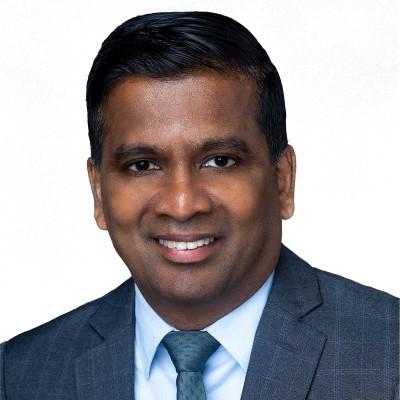
ICCA data for 2024 recorded 11,099 international association meetings worldwide, generating USD 11.6 billion in direct economic impact. India hosted 141 ICCA-qualified meetings, placing it 7th in the Asia Pacific region, alongside Singapore and ahead of several established markets. These numbers reflect rising international confidence in India as a meetings destination,” Senthil Gopinath, CEO, International Congress and Convention Association (ICCA), observes, while also underlining that the next phase of growth will depend on stronger destination-level coordination.
He emphasised that MICE is no longer merely as a subset of tourism, but has evolved into a significant economic force, influencing trade, investment flows, knowledge exchange and global visibility. According to Gopinath, corporates, associations and exhibition organisers are increasingly returning to in-person formats, reaffirming the enduring importance of face-to-face engagement in a post-pandemic world.
While Delhi NCR, Mumbai, Bengaluru, Hyderabad, Chennai remain the giant hubs, the next phase of growth is being shaped by Tier-II cities and emerging destinations. Improved air connectivity, modern venues, competitive pricing, and strong cultural identities are pulling planners towards cities such as Jaipur, Kochi, Bhubaneswar, Indore, Visakhapatnam, Guwahati, and Coimbatore. The result is a more distributed, resilient, and inclusive MICE ecosystem.
Globally, examples that dominate the MICE landscape: Singapore, Barcelona, Vienna, Dubai, are powered by strong convention bureaus that operate on ground level, with autonomy, data intelligence, and long-term vision. India’s intent and entry into this league signals maturity. City MICE bureaus have the potential to standardise service delivery, strengthen local and national economy, and convert cities into globally competitive convention destinations.
This cover story analyses whether India’s cities are ready to think and act like global convention brands. It explores how city-level bureaus can unlock demand, drive success, align hotels and venues, and position India as a reliable, scalable, and future-facing MICE powerhouse.
CITY-LEVEL BUREAUS REDEFINING INDIA’S MICE PLAYBOOK
Beginning 2026, the Union Ministry of Tourism’s move to establish city-level convention promotion bureaus marks a fundamental shift in how India approaches business events.
Gopinath notes that governance sits at the core of the transformation, with the Union Ministry of Tourism’s decision to roll out city-level convention promotion bureaus from 2026 marking a move towards a more structured, city-driven approach. The intent reflects global best practice, where leading MICE destinations such as Singapore, Barcelona, Vienna and Dubai are supported by autonomous bureaus that do more than market cities, they coordinate with multiple stakeholders, manage bids, managing data and serving as single-window facilitators for international events.
India’s move to adopt a similar framework is expected to bring sharper focus, consistency and operational efficiency to its expanding MICE ecosystem.
City level bureaus can align hotels, venues, transport authorities, government departments and industry partners onto a shared platform. With professional leadership, clear mandates and a degree of operational autonomy, they can streamline bidding processes, standardise service delivery and present cities as unified convention destinations rather than a collection of disconnected assets. Gopinath notes that as India moves into 2026, city-level MICE bureaus are poised to reshape the country’s business events landscape in a fundamental way.
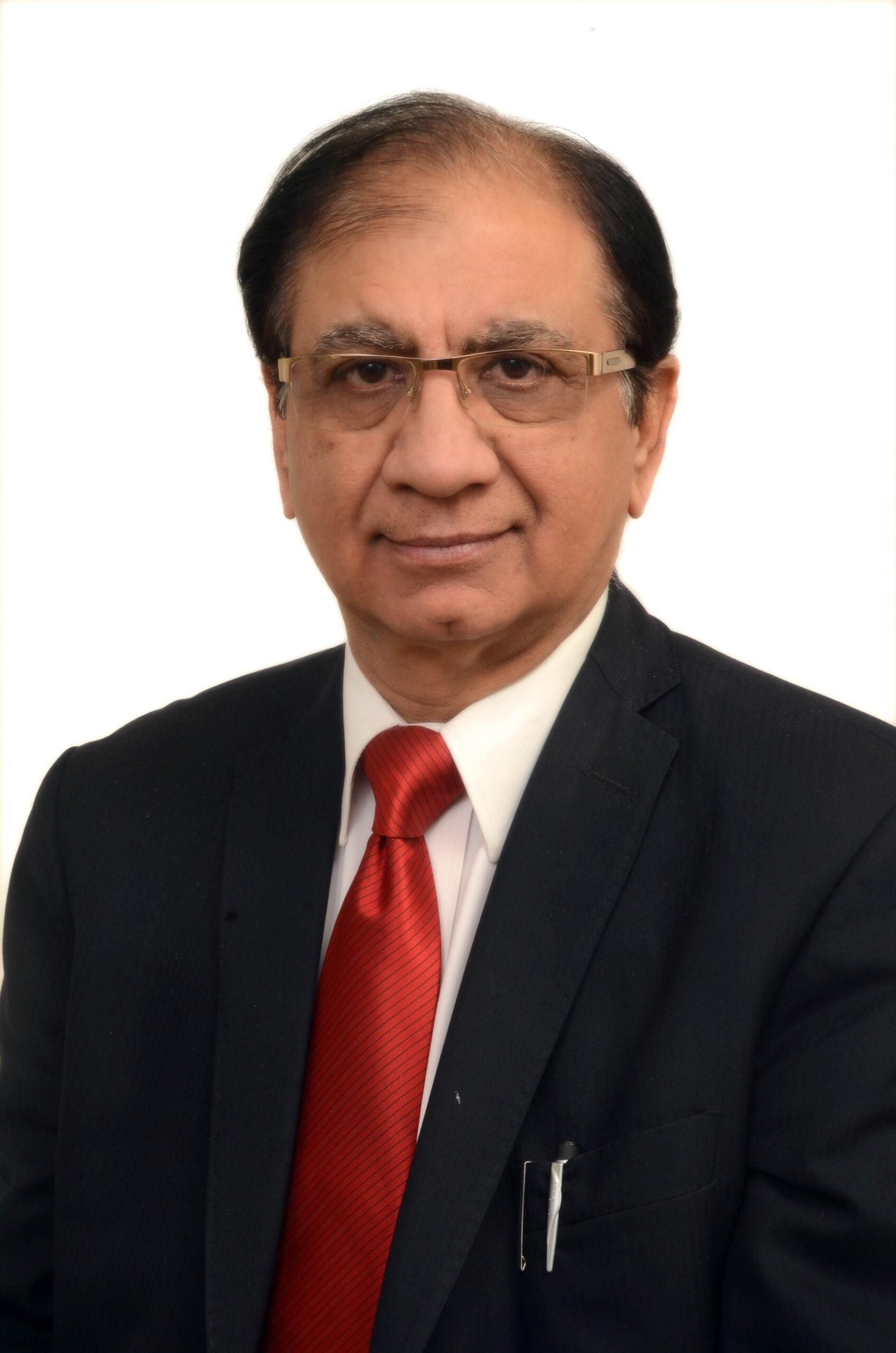
Chander Mansharamani, Managing Director of Alpcord Network Travel & Conferences Management Company, views that the creation of the city-state convention bureau represents a critical shift required to convert India’s infrastructure investments into sustained global MICE leadership,” he says. He points out that globally successful MICE destinations operate through professionally managed public–private city or state convention bureaus that drive destination branding, international bidding, delegate facilitation and stakeholder coordination.
While India has articulated a clear ambition to emerge as a global MICE hub, Mansharamani notes that this aspiration must be matched by decentralised execution. “Despite significant investments in world-class venues such as Bharat Mandapam, Yashobhoomi, Jio World Convention Centre and upcoming state facilities, India still lacks a professional destination marketing and bidding ecosystem at the city level, which is critical to winning international conventions,” he explains.
According to Mansharamani, ICPB’s proposal for a nationally aligned city–state bureau framework, supported by the Ministry of Tourism, could help institutionalise and scale India’s convention promotion efforts across priority destinations.

Echoing the importance of decentralisation, Ubaid Ahmad, Senior Director and Head of Marketing at BIEC, Vice President of the Indian Exhibition Industry Association, and Governing Board Member of ICPB, notes that what was once concentrated in a handful of metropolitan centres has now expanded to Tier-II and Tier-III cities, supported by improvements in air connectivity, rail and road networks, and upgraded transport systems.
Ahmad points to the growing hospitality footprint in these cities, with both five-star and budget hotel brands expanding to meet rising tourism and business demand. Drawing parallels with global models, he cites examples such as the Singapore Exhibition & Convention Bureau, Dubai Business Events under the Dubai Department of Economy and Tourism, and the Barcelona Convention Bureau, all of which operate as officially mandated destination marketing and convention bodies.
He adds that India’s scale, diversity and strong domestic demand, evident in exhibition markets such as Delhi-NCR, Mumbai, Bengaluru, Hyderabad, Chennai and Ahmedabad, provide a solid foundation. With targeted investment, public–private collaboration and capacity-building, smaller cities can emerge as the next growth engines for the exhibition and MICE industry. As this transition unfolds, Ahmad believes India can significantly improve its current share of the global USD 850 billion MICE market.
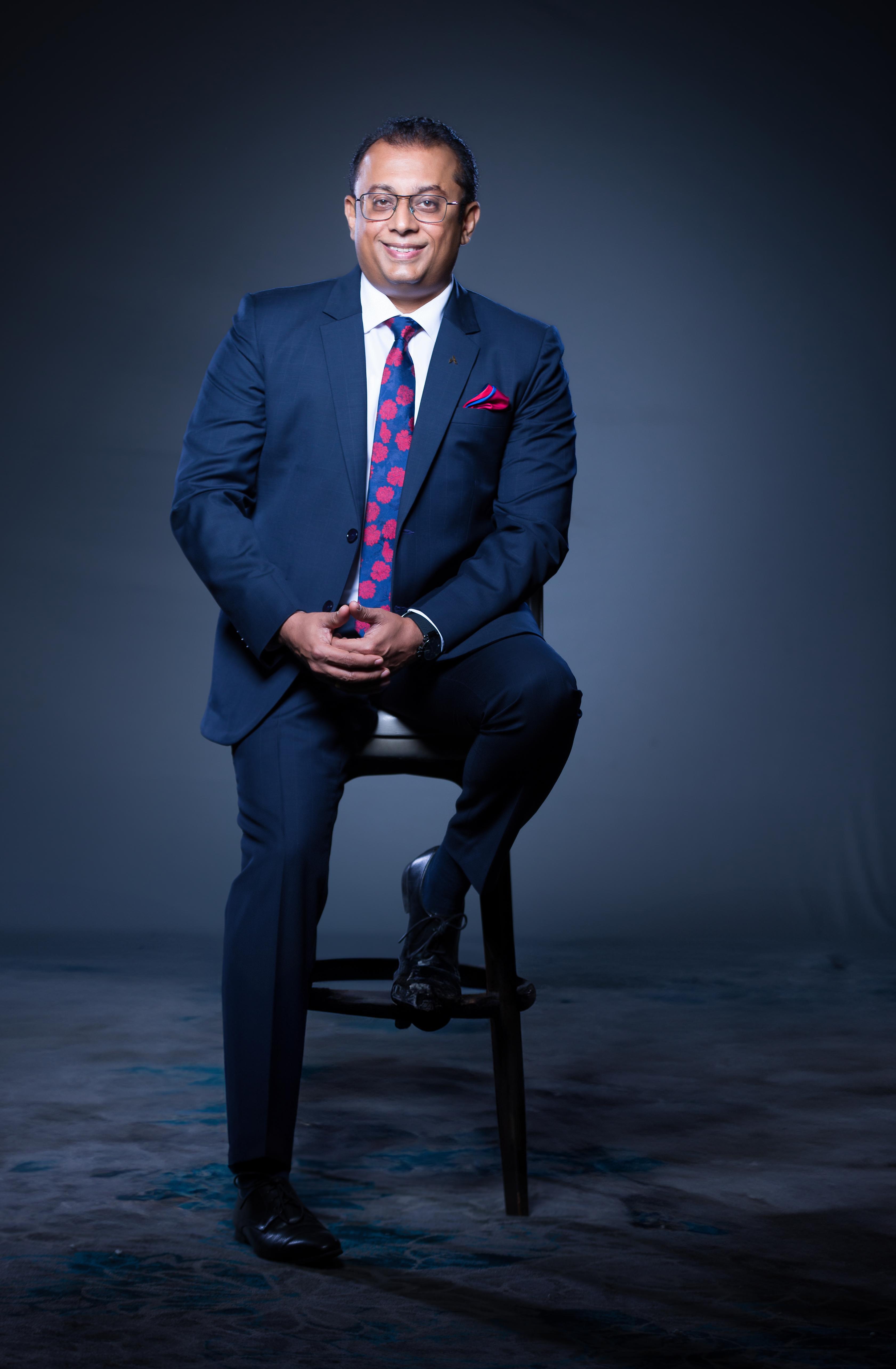
Rubin Cherian, General Manager of Novotel Hyderabad Convention Centre and HICC, believes India is on the right trajectory, though he describes 2026 as a transition phase rather than a point of full maturity. “Indian cities today have the scale, infrastructure and domestic demand to compete globally, yet the shift from being event hosts to operating as true convention brands is still underway,” he says. According to Cherian, city-level bureaus can now strengthen coordination, accelerate facilitation and enable more data-led bidding by aligning hotels, venues, government bodies and service partners.
He adds that while global leaders such as Singapore and Dubai benefit from decades of structured governance and intelligence-led promotion, India is building this framework now. “With professional bureaus, standardisation and stakeholder alignment, cities like Hyderabad are well positioned to evolve into globally competitive convention brands in the coming years,” he notes.
Offering a more execution-focused perspective, Mufaddal Dahodwala, Managing Partner at ICE India, describes the Union Ministry of Tourism’s December 2025 announcement on city-level Convention Promotion Bureaus as a necessary step. “Business events can no longer sit loosely under tourism; they are economic infrastructure,” he says, while cautioning that execution will be the real test.
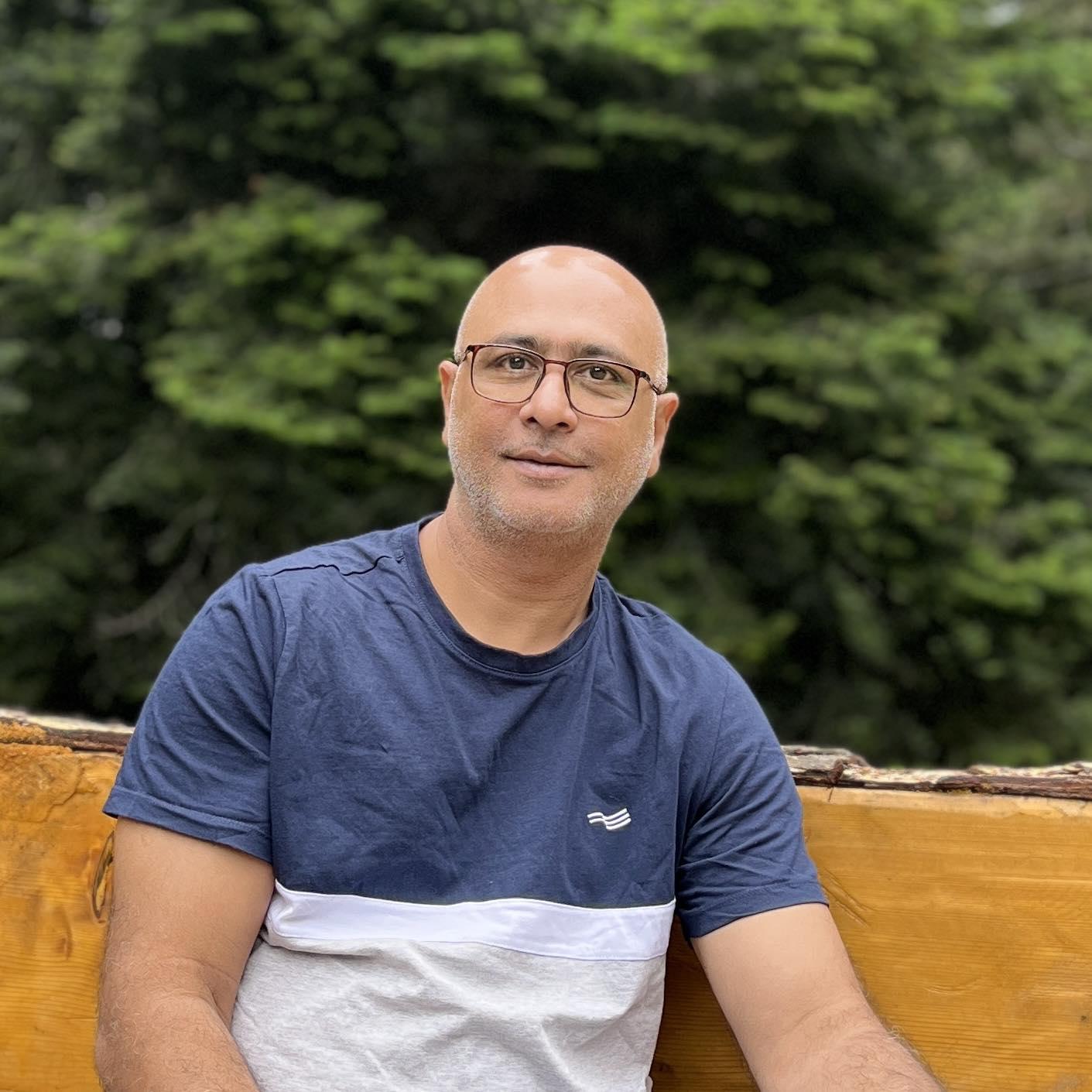
Dahodwala points out that India already has scale, demand and a year-round domestic MICE base - advantages that many global markets lack. “What has been missing is institutional strength at the city level: clear authority, defined budgets and continuity,” he adds. He notes that Tier-II destinations are no longer emerging but firmly established. Cities such as Jaipur, Kochi, Indore and Bhubaneswar now account for an estimated 35 - 40% of domestic MICE activity, driven by better connectivity, significant cost advantages and richer cultural experiences. Programmes that once defaulted to Delhi or Mumbai are moving and staying outside the metros.
Yogesh Mudras, Managing Director, Informa Markets India, believes India has made substantial progress over the past five years and is now entering a phase of institutional maturity. He highlights the country’s competitive fundamentals, including world-class venues, strong air connectivity and a rapidly expanding hospitality pipeline. “The Indian MICE market is already valued at over USD 49 billion and is projected to grow at a CAGR of 13 per cent through 2030,” he notes, signalling sustained demand.
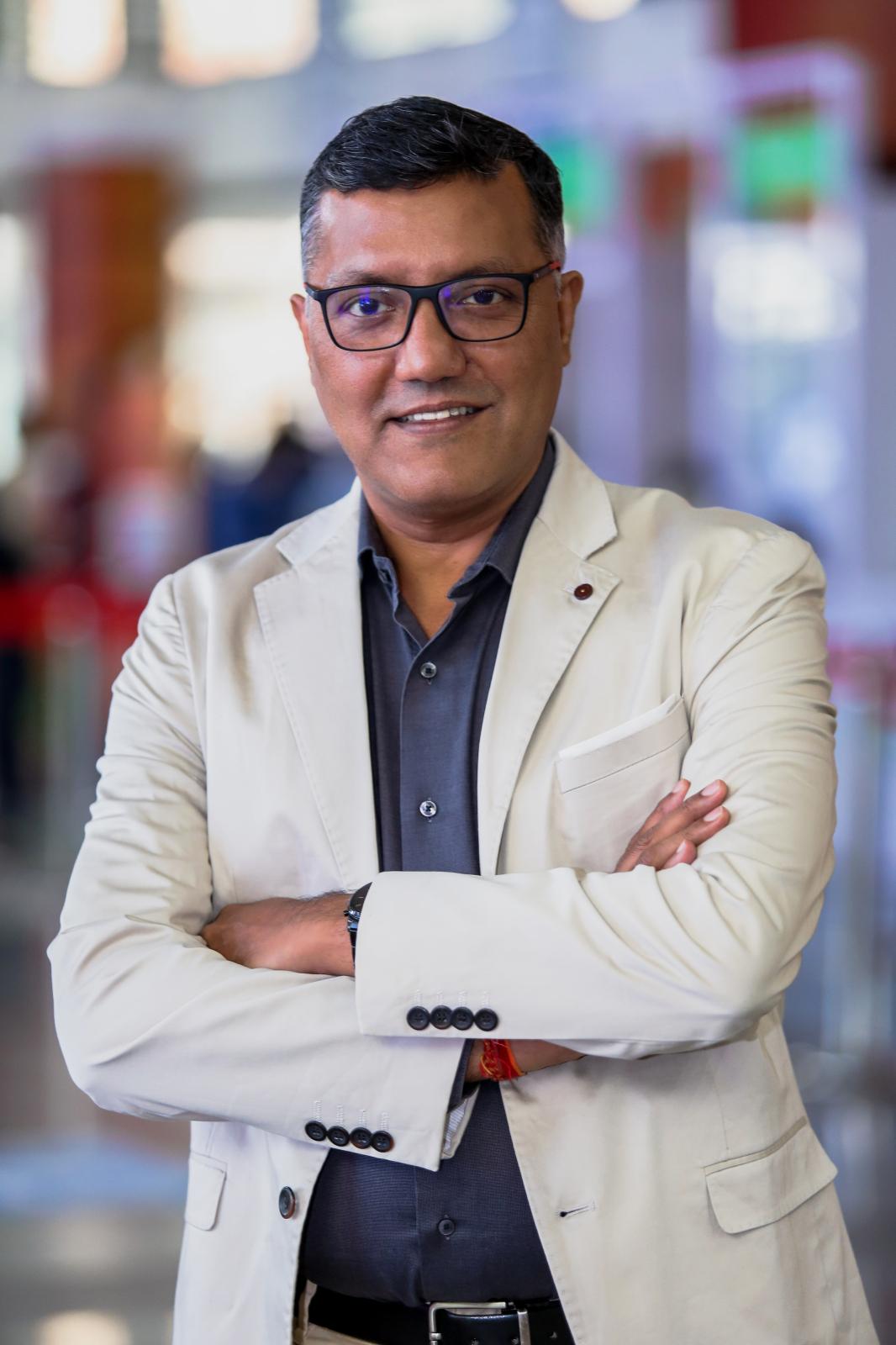
However, Mudras points out that governance depth remains the differentiator when compared to mature markets such as Singapore and Dubai. “Global convention brands are built on empowered city bureaus with autonomy, integrated data and a unified destination narrative,” he says. In this context, he views the establishment of PPP-led, professional city-level Convention Promotion Bureaus in 2026 as a critical turning point. “The infrastructure exists; the opportunity now lies in execution, using data-driven bidding, coordinated stakeholder engagement and consistent city branding to convert capacity into global credibility,” he concludes.
From a hospitality and connectivity standpoint, Rohit Chopra, Area Commercial Director, India, Minor Hotels, underlines the opportunity created by India’s expanding transport infrastructure. He notes that with the government targeting 350 - 400 airports by 2047, Tier-II and Tier-III cities are set to become key economic and convention centres. Chopra stresses that state tourism departments must take greater ownership of positioning their cities as global convention destinations. “They should have 5-year planning and strategy and have professional working towards getting MICE to their states,” he adds.
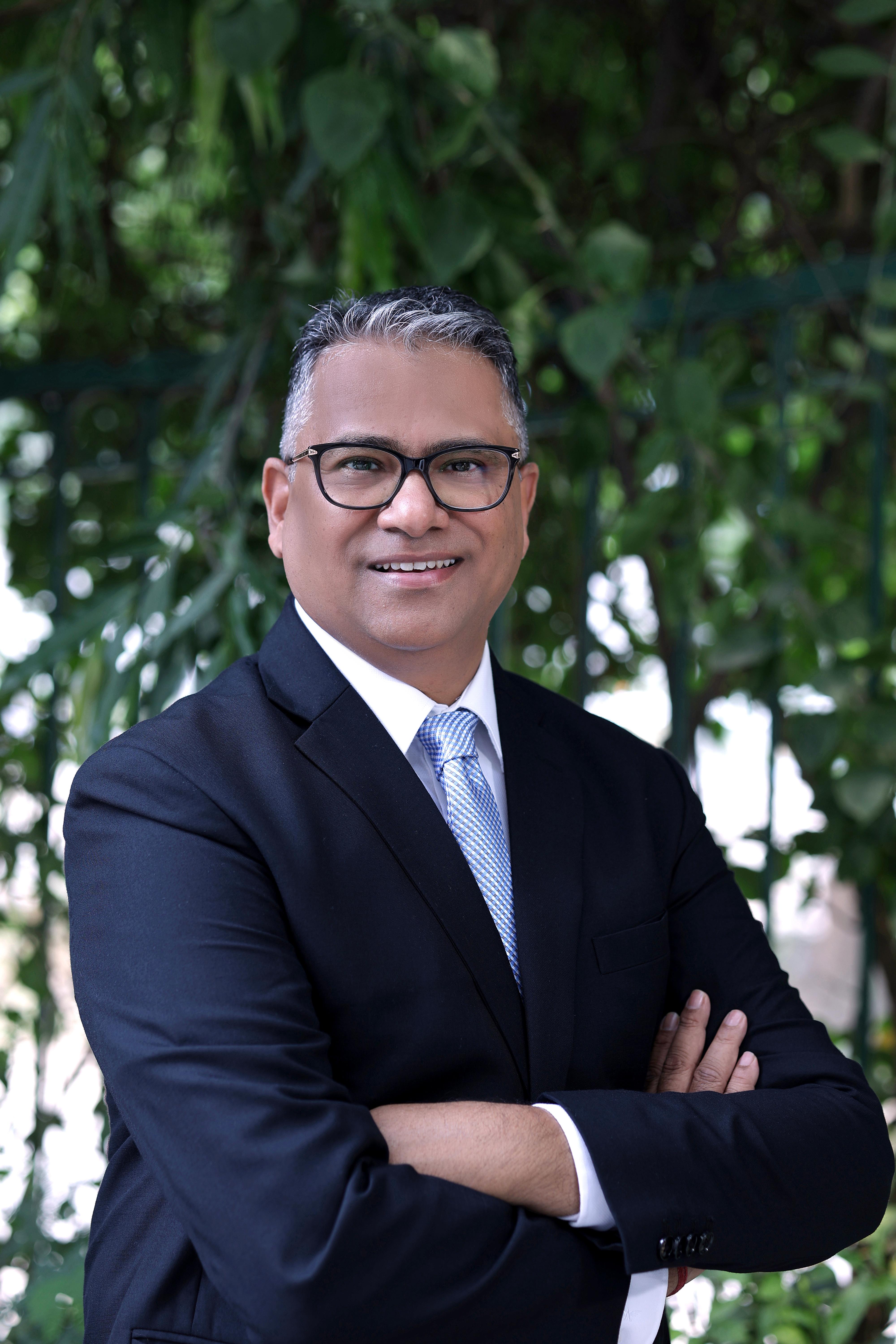
Citing estimates that value the Indian MICE market at USD 110.3 billion in 2024, with projections reaching USD 183.1 billion by 2033, Chopra underlines how sustained domestic demand, upgraded infrastructure and the growing adoption of hybrid and digital formats are driving the sector’s next phase of growth.
BEYOND THE METROS
While Delhi, Mumbai, Bengaluru, Hyderabad and Chennai continue to anchor India’s MICE activity, the momentum is extending to Tier-II cities, shares Gopinath. Destinations such as Jaipur, Kochi, Bhubaneswar, Indore, Visakhapatnam, Guwahati and Coimbatore are gaining traction among planners, driven by better connectivity, modern venues, competitive pricing and distinct cultural appeal. Early ICCA indicators show these cities already hosting international meetings, pointing to the emergence of a more distributed and resilient MICE ecosystem.
Global trends further support this decentralisation. In 2024, more than half of such meetings worldwide hosted between 150 and 999 delegates, favouring cities with strong governance frameworks and well-coordinated local ecosystems, over just mega-venues. In this context, city-level bureaus provide India with the structure needed to convert emerging interest into sustained international demand.
Mansharamani believes Tier-II cities can become significant growth drivers, but only if reforms and investments are addressed holistically. He points out that many such cities continue to face challenges around multi-agency permissions, encroachments and safety compliance, creating friction for organisers. He cites emerging public–private partnership models, such as the proposed MICE hub in Nashik, as examples of how shared investment and risk can accelerate development.
Dahodwala sees immediate opportunity for Tier-II cities in niche sector exhibitions, regional association congresses, incentive travel, mid-sized corporate conferences, and domestic industry events. “This is profitable, repeatable business, and it’s already growing,” he says. However, he cautions that if city-level bureaus are to demonstrate tangible outcomes by 2027–28, professional leadership, sector-focused positioning, properly funded international bidding and demand-aligned venue development must be prioritised. While India’s ambition to expand its global MICE footprint is achievable, Dahodwala notes that the current system remains only partially aligned, warning that the system is only partially aligned, roughly 60%, at best. Closing that gap will decide whether these bureaus become game-changers, or just another layer in the system.
Ahmad echoes the optimism around smaller cities, describing their rise as a defining phase in India’s MICE evolution. Cities such as Mysore, Jaipur, Kochi, Bhubaneswar, Indore, Visakhapatnam, Guwahati and Coimbatore, he says, are no longer peripheral but are emerging as credible alternatives to large cities like Delhi, Mumbai, and Bengaluru. Ahmad emphasises that rapid expansion alone will not guarantee global competitiveness, which must instead be anchored in governance reform, targeted infrastructure investment and close industry collaboration. He argues that Tier-II cities can offer compelling advantages, lower costs, authentic experiences and strong participation, while developing a distinctly Indian MICE model rooted in local economic strengths rather than replicating Singapore, Dubai, Barcelona, or other destinations.
Mudras underlines that Tier-II cities already account for an estimated 35 – 40% of domestic MICE activity, driven by the demand for newer experiences, competitive costs, improving connectivity and expanding hotel inventories. “Customers want new experiences all the time and cities such as Indore, Kochi, Jaipur, Bhubaneswar and Guwahati offer strong value propositions, competitive costs, new venues, improving connectivity, and growing hotel inventories,” notes Mudras.
However, he stresses that converting this momentum into global relevance requires three levers to move in parallel: governance, infrastructure and collaboration. According to Mudras, state-led MICE cells and PPP-driven city bureaus must align tourism, transport, security and urban authorities under a unified strategy, while investments extend beyond convention centres to include airports, metros, digital infrastructure and delegate experience. He emphasised that collaboration between industry bodies, city bureaus, hotels and associations must jointly market destinations, build skills, and bid internationally. If these elements come together, he believes Tier-II cities can evolve into distinctive, globally competitive convention destinations in their own right.
Cherian views Tier-II cities as powerful growth engines, notes that cities such as Jaipur, Kochi, Indore, Bhubaneswar, Coimbatore, Guwahati, Visakhapatnam, Vijayawada and Tirupati are already benefiting from improved air connectivity, competitive operating costs and distinctive cultural identities. In Telangana and Andhra Pradesh, he observes clear momentum, with Hyderabad anchoring large global events while cities such as Warangal, Karimnagar, Khammam, Nizamabad, Rajahmundry and Kakinada steadily build capacity for mid-scale conventions and sector-led programmes. According to Cherian, governance reforms, including single-window clearances and city-level MICE facilitation, are making these destinations easier to navigate and more investor-friendly.
WHAT IS HOLDING BACK?
While the intent to institutionalise city-level convention bureaus is clear, industry leaders caution that several structural gaps must be addressed for the model to deliver real impact.
Mansharamani points out that the effectiveness of city bureaus will depend on rigorous groundwork, beginning with market assessment, cost and economic analysis, infrastructure planning, site selection, and long-term operational viability. Governance frameworks, management structures, funding mechanisms and operations, he notes, must be clearly defined from the outset.
For India to emerge as a preferred global convention destination, Mansharamani stresses the need for alignment at the national level. This includes the formulation of a National MICE Policy that brings together key ministries such as Tourism, Commerce and Civil Aviation, along with the introduction of MICE-specific incentives for international organisers and corporate planners.
Infrastructure expansion is equally critical, particularly the development of MICE zones in Tier-II cities such as Jaipur, Bhubaneswar, Indore and Lucknow, alongside upgrades to airports, high-speed rail and urban transport around major venues. He also highlights the importance of promoting convention hotel clusters that integrate accommodation with conference facilities. From a global positioning standpoint, Mansharamani advocates a cohesive “Meet in India” branding campaign, complemented by international MICE roadshows and trade events, while leveraging India’s cultural strengths - wellness, heritage and cuisine, as key differentiators.
Taking a candid view, Dahodwala argues that Indian cities are not yet operating as global convention brands and that setting up bureaus alone will not change this reality. He believes infrastructure remains a fundamental constraint, noting that most Tier-II convention centres currently offer between 5,000 and 20,000 square metres of exhibition space, often with inconsistent service standards. “To host serious regional B2B exhibitions, India needs facilities in the 30,000 to 70,000 square metre range,” he says, adding that this requires decisive state-level investment.
Dahodwala also highlights fragmentation as a persistent challenge. Venues, hotels, transport authorities, municipal bodies and regulators often function in silos, forcing planners to coordinate multiple agencies independently. In mature MICE markets, he notes, convention bureaus owns this single-window role.
Data gaps further compound the issue, with few cities systematically tracking delegate volumes, bidding pipelines or sector-specific demand, limiting strategic planning. Limited international air connectivity adds another layer of complexity, says Dahodwala, “A bureau cannot fix airport capacity or airline economics. The real test is whether states will allow professional CEOs to take decisions quickly, commercially and without political interference. Singapore and Dubai worked because their bureaus had funding security and freedom to operate. That culture is still developing here.”
Chopra, however, takes a more optimistic view, stating that he does not see significant obstacles at present, particularly given the government’s openness to feedback from tourism associations. He points to India’s broader economic momentum, noting that the country surpassed Japan in 2024–25 to become the world’s fourth-largest economy, with a GDP of approximately USD 4.1 trillion and growth of 6.5%, according to National Statistics Office. With the IMF projecting continued growth in 2025–26, Chopra believes India is well positioned to sustain long-term expansion, which will naturally support the MICE sector.
Mudras returns the focus to execution, identifying fragmentation as the single biggest barrier. He notes that event organisers still navigate multiple approvals and vendors, increasing friction and uncertainty, while regulatory complexity around permissions, visas and logistics remains a deterrent compared to mature single-window systems. Pricing volatility, particularly sudden spikes in airfares and hotel rates during major events, further erodes competitiveness, especially for international delegates. Mudras also points to uneven service standards and a shortage of trained MICE professionals limit consistency in delivery. This extends to fundamental infrastructure expectations such as seamless Wi-Fi connectivity and adherence to global health and safety standards, which are considered non-negotiable requirements for event delivery.
PATHWAY TO GLOBAL COMPETITIVENESS
The next phase of growth for India’s MICE industry lies in strengthening city-level ecosystems, notes Ubaid Ahmad, enabling India to further transition into a globally competitive hub for business events. A key opportunity lies in streamlined governance, with multiple stakeholders such as state tourism departments, urban local bodies, police, transport authorities, venues, airlines, hotels and event organisers working in cohesion to ensure successful events.
Another factor that can positively impact exhibitions is service standardisation. India’s hospitality strengths are globally recognised, and adopting standard operating frameworks and accreditation systems for MICE suppliers can help ensure consistency and excellence. “Event organisers value predictability alongside quality, which will boost their confidence in organising events,” he adds.
Moving beyond traditional metrics such as hotel occupancy and footfall, Indian cities need to capture and communicate the full economic and knowledge impacts of MICE, including delegate spending, job creation, trade outcomes, and knowledge exchange. As this happens, business events will be seen as significant contributors to the nation’s economic growth, Ahmad notes.
Alongside state-of-the-art venues, focused investments in last-mile connectivity, road, rail, and air transport, multilingual signage, and digital wayfinding can transform convention areas into vibrant, globally benchmarked precincts. “This will align Indian cities with those followed in Singapore, Barcelona, or Dubai,” he says.
As the MICE sector matures, there will be growing demand for professionals skilled in bidding strategies, international sales, association relations, and impact analysis. This will create a growing need for structured training programmes, such as those offered by UFI, global partnerships, and industry-led capacity-building initiatives.
“None of these are constraints but pathways for advancement,” Ahmad emphasises. With clarity of ownership, institutional continuity, and a shift from event-centric execution to destination-led strategy, cities in India can position themselves to move from operational excellence to strategic leadership in the global MICE landscape