Slower tourism, new flights, targeted campaigns: Goa’s new focus areas for a stronger global grip
 Goa-1
Goa-1
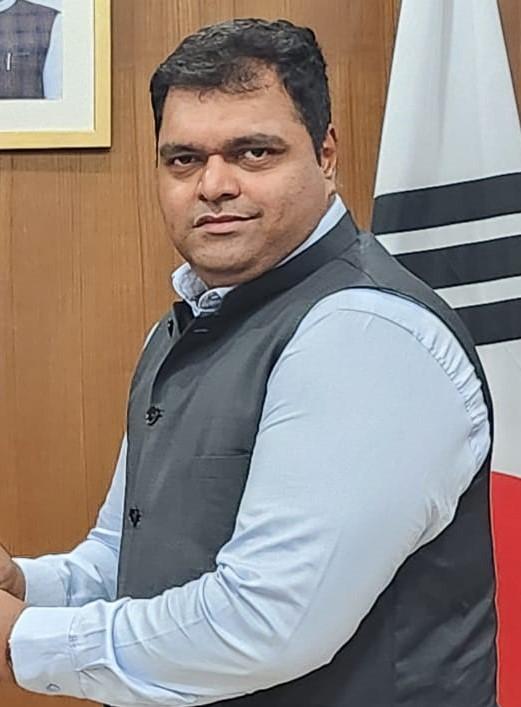
Besides the smart move towards regenerative tourism, Kedar Naik, Director of Tourism, Goa
shared that the domestic travellers remain the backbone of Goa’s tourism economy, and the state is strategically building new reasons for repeat visits. To further tap new international source markets, Goa is actively introducing direct flights from Russia, Poland, Kazakhstan, and the Middle East.
The coastal state, which welcomed over one crore visitors in 2024 and 54 lakhs in just the first half of 2025, is shifting focus from volume to value, moving toward regenerative, sustainable, and globally inclusive tourism.
Of these 54 lakhs, about 51.84 lakh were domestic visitors, while 2.71 lakh were international tourists. January proved to be the strongest month, registering 10.56 lakh tourists, including 9.86 lakh domestic and nearly 70,000 foreign arrivals, as per the official data.
Naik further shared that the domestic travellers remain the backbone of Goa’s tourism economy, and the state is strategically building new reasons for repeat visits. “Domestic tourism is central: Goa is promoting off-season travel by offering experience tourism. The state now celebrates festivals throughout the year making it a year-round premier destination for all travellers,” said Naik.
Key domestic markets continue to be major metros like Mumbai, Delhi, Bengaluru, Pune, and Hyderabad, with a rising interest from Tier-II cities.
Regenerative Positioning
“Goa is repositioning itself Beyond Beaches, with emphasis on culture, wellness, heritage, spiritual circuits and regenerative tourism,” said Kedar Naik, Director of Tourism, Goa. The state, he said, has become India’s first to officially adopt a Regenerative Tourism framework, designed to restore ecosystems, empower local communities, and preserve its cultural fabric.
Goa has also initiated a mangrove management plan focused on non-intrusive eco-tourism (bird watching, non-motorised boating, nature walks), said Naik. The regenerative tourism framework also aims to restore ecosystems, preserve natural heritage, and empower local communities.
Goa’s efforts to differentiate itself are visible through a spate of these new tourism products, wellness & eco-retreats, monsoon adventure tourism and cultural infrastructure projects. “The unique pitch for global travellers is immersive, off-beat Goa: heritage trails, hinterland and forest stays, spiritual circuits (like Ekadasha Teertha), wellness retreats, eco-and regenerative tourism, cultural & festival experiences beyond just sea & sand. We are expanding spiritual circuits — e.g. the ‘Ekadasha Teertha’ circuit linking 11 historic temples, with improved facilities and transport,” added Naik.
“To encourage repeats, Goa is improving the quality of accommodations with local authentic homestays and partnerships with Airbnb, promoting slower tourism, and diversifying offerings so visitors have new experiences each visit,” Naik added, saying the state is also focusing on “slower tourism” to encourage deeper engagement with domestic market.
Connectivity corridors, infra upgrades
Goa’s dual airport advantage is being leveraged to enhance arrivals. Notably, International and domestic air connectivity has improved with new direct flights and with the Manohar International Airport and Dabolim, as per Naik. To further tap new international source markets, Goa is actively introducing direct flights from Russia, Poland, Kazakhstan, and the Middle East, while also running targeted digital campaigns in the regions.
Complementing air access are infrastructure projects designed to enhance visitor experience. Infrastructure projects include: Porvorim Town Square, Chhatrapati Shivaji Maharaj Museum, beautification of Porvorim Creek under rural circuit and public spaces in Colva under coastal circuit development under Swadesh Darshan 2.0. In hospitality, regulation and quality are being emphasised along with improved digital services.
The Policy Push
At a policy level, Goa has taken notable steps toward sustainability and inclusivity. The state has adopted a Regenerative Tourism framework, emphasising environment, community, cultural preservation, and inclusive economy.
The Homestay and Bed & Breakfast policy is another landmark initiative designed to formalise alternate accommodations, involve locals, and ensure quality and regulation. “Through schemes like Swadesh Darshan 2.0 and PRASHAD, policy support for infrastructure circuits (heritage, rural, spiritual) has been sanctioned,” he said.
Such policies, he said, help local operators by opening new experiential tourism verticals, giving locals opportunities in accommodation, guiding, local crafts, food; raising standards and thereby potentially raising yields.
The state is simultaneously investing in capacity building for its citizens. “Training programs under the Homestay and Bed & Breakfast Scheme and the Airbnb Guidebook ensures help to upskill local hosts,” Naik noted, reiterating that the state is not just aiming to attract responsible travellers but also building future-ready tourism economy.