Steering India’s Outbound Tide
 T3 September cover story-2
When the world talks tourism, India’s name is now impossible to ignore. In 2024, more than 3.08 crore Indians travelled overseas, shattering all pre-pandemic records and placing the country firmly among the fastest-growing outbound markets. This momentum has transformed India into the ultimate playground, where destinations compete with inventive strategies to claim a greater piece of the Indian outbound travel pie. Destinations now do not want to be left behind in the chase for the India outbound elixir.
But with power, comes great responsibility. The surge, driven by a growing middle class with rising disposable income, has also magnified bottlenecks. A handful of mainstream favourites are straining under overcrowding, making it clear that India’s outbound story must now expand beyond the usual suspects, enabling a more sustained balance of tourism. This has resulted into a state of urgency to cultivate new destinations and diversify awareness.
According to Booking.com’s travel trends revealed for H1 2025, Dubai takes the top spot as the most-searched destination for Indian travellers, with a 62% y-o-y increase. Tokyo has emerged among the top 5 most searched international destinations, witnessing a 90% rise in accommodation searches. Intra-regional travel within Asia-Pacific is also said to be seeing steady momentum, with the ‘already-popular’ destinations like Singapore, Bangkok, Kuala Lumpur, Phuket and Bali all rank among the list.
This is where trade platforms like SATTE come into sharp focus. More than just a marketplace, SATTE has become a forum where learning sessions spark fresh thinking, where established as well as emerging destinations converge to inspire Indian travel planners. It is in such spaces that the next chapter of India’s outbound growth will be shaped.
This story takes a dive into this whirlpool, how the outbound dragon can be being steered, how emerging destinations are forming new strategies to woo the Indian traveller, and what the planners themselves see as the way forward.
India through global lens
According to PATA’s Mid-Year Update to its flagship Asia Pacific Visitor Forecasts 2025–2027, released in June, Indian arrivals into 39 Asia Pacific destinations are projected to grow from 8.3 million in 2017 to over 15.3 million by 2027, reflecting a steady CAGR of 6.3%. Major markets such as Thailand (+7.9%), the USA (+7.8%), and Australia (+7.9%) will absorb the largest volumes, while Turkey (+21.1%), Nepal (+11.0%), and Mexico (+11.4%) show high-growth potential.
Speaking to T3, PATA CEO Noor Ahmad Hamid offered a bird’s-eye view of how India is perceived globally. He noted that India’s outbound potential is “transformative.” With 1.4 billion people, a growing middle class, and rising disposable incomes, India is poised to become one of the world’s largest outbound markets this decade. He added that the demand is diverse - families, millennials, luxury seekers, and experience-driven explorers seek everything from cruises to cultural immersion.
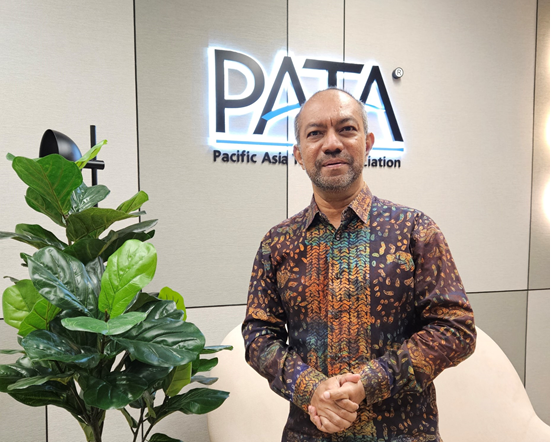
“The challenge lies not in demand but in directing it beyond overcrowded hubs,” Hamid explained. “Destinations that highlight secondary cities, hidden gems, and authentic cultural offerings will spread footfall more evenly and sustainably.”
On redirecting the surge to emerging destinations, he emphasised that visa facilitation is welcome, but preparedness goes further. “Infrastructure, connectivity, and cultural readiness are equally critical. Seamless entry systems, efficient airports, and strong ground transport enhance visitor experience.”
Suggesting destinations on deeper engagement with India, Hamid remarked, “Winning in India requires more than awareness; it demands emotional resonance. Destinations should invest in localised marketing, collaborate with Indian travel trade, and tailor campaigns to Indian aspirations. Flexible visas, direct air links, and family-oriented itineraries will be vital.”
Hamid further highlighted that forecasts point to Indian arrivals into APAC destinations nearly doubling in the next decade, underscoring the scale of planning required. “Cultural sensitivity also matters, vegetarian dining, family-oriented itineraries, shopping opportunities, and multilingual support significantly influence satisfaction. Those that adapt quickly will gain a clear competitive edge,” he said.
The forecast also revealed uneven growth. “While Turkey, Nepal, and Mexico show double-digit gains, others such as China (-1.0%) and Myanmar (-8.0%) contract. This underscores the need for nuanced, region-specific strategies,” Hamid observed. Challenges include price sensitivity, reliance on peer recommendations, and varied expectations across regions.
“Digital engagement is non-negotiable,” Hamid concluded. “Indians are among world’s most active social media users, turning online both for inspiration and validation.”
Emerging destinations capitalising on this surge
As Indian travellers increasingly look beyond traditional hubs, emerging destinations such as Ras Al Khaimah and Taiwan are recording strong momentum heading into 2025.
Ras Al Khaimah has recorded strong performance in the first half of 2025, across key source markets seeing notable gains, with a 25% year-on-year increase in visitors from India.
Speaking to T3, Iyad Rasbey, Vice President – Destination Tourism Development at RAKTDA, underlined India’s growing significance. “India is already among our top five source markets. We see significant potential for growth as more travellers look beyond traditional hubs.”

Rasbey noted a clear shift in traveller preferences. According to him, the opportunity is not merely about volume but about differentiation. “The real opportunity lies in working closely with the Indian travel trade, event organisers, and wedding planners to curate experiences that resonate with evolving traveller segments. By doing so, we believe the outbound surge can be effectively channelled beyond mainstream hotspots, giving destinations like Ras Al Khaimah a strong place in the consideration set for Indian travellers,” he said.
On the factors behind the Emirate’s success, Rasbey pointed out that visa access and entry requirements play a big role in destination choice. “But preparation goes beyond visas. Destinations need to be ready for growing volumes, from expanding hospitality infrastructure to commuting within the city. The winners will be those building infrastructure intelligently and sustainably, adapting to evolving traveller needs, and ensuring local communities benefit along the way.”
Meanwhile, Taiwan is also seeing a surge, recording a robust 30.73% growth in Indian arrivals between January and May 2025, welcoming 19,202 visitors compared to 14,688 during the same period in 2024.
Paul Shih, Director of Taiwan Tourism Administration (TTA), Singapore office, told T3, “We see this as just the starting phase of the tremendous potential that future Indian outbound travel holds for destinations like ourselves.”
Shih acknowledged that India has become a highly competitive source market. “TTA has a long-term commitment to the Indian market. We have tremendous belief in the potential of the market for Taiwan and believe that streamlined visa processes are important growth imperatives. And therefore, as Taiwan, we have made steady strides in simplifying visa processing for Indian travellers,” Shih emphasised.

Taiwan offers a range of visa options for Indian travellers, including an e-visa for passport holders with a valid or expired visa from the US, UK, Schengen Area, Australia, New Zealand, Japan, or South Korea (expired within the last ten years). Group visas for five or more individuals are also available, as well as a free sticker visa option.
Plan INDIA
Rasbey highlighted how the Emirate is preparing for this growth. “We are investing in expanding hospitality infrastructure and diversifying our portfolio of experiences. Our hotel inventory is set to double over the next few years with over 7,500 keys being added to the destination by some of the best brands in the business.”
Rasbey also stated, “We are also working closely with the Indian travel trade to design products that cater specifically to high-growth segments such as multi-generational families, group travellers, and solo adventure seekers. This ensures that as volumes from India rise, we are not only ready to welcome them but can also deliver the kind of authentic, differentiated experiences today’s travellers expect.”
The Indian market, however, brings unique challenges, shared Rasbey. “Demand is fragmented across tier-II and tier-III cities, requiring tailored engagement beyond metros. Travellers are also highly value-conscious, seeking transparent, all-inclusive packages, and they prefer short 3 to 5-day breaks, which means itineraries must deliver maximum impact in limited time.”
Operationally, scaling weddings, MICE, and adventure products requires dependable local suppliers and simplified procedures. By anticipating these needs and investing in differentiated products, streamlined access, and strong trade partnerships, Ras Al Khaimah is not just competing for Indian travellers but positioning itself as one of the most accessible and versatile destinations in the region,” Rasbey explained.
On the other hand, Shih observed that millennials and Gen Z are driving demand. International travel spends by Indians rose by 25% to USD 31.7 billion last year, according to report. “We have noticed that these segments particularly favour technology-driven, experiential travel - think immersive culture, adventure, wellness, bespoke itineraries, and curated offbeat experiences,” shared Shih.
Shih pointed out that while prioritising target markets such as high-end luxury travellers and MICE business, TTA is adapting its destination marketing and India market outreach that encompasses modern technologies like the internet, social media, and AI. These technologies also provide valuable insights into market trends and traveller behaviour, helping to better understand what travellers expect, how their preferences are changing, and what kind of tourism experiences they are seeking.
He further emphasised, “Destination awareness, constant visibility and value, as well as factors like air connectivity and simplified visa process, are key to making deeper inroads in the Indian market. TTA is working hard and smart in the Indian market to build greater destination awareness and visibility, while also hoping to address the connectivity issue. Also, as Taiwanese, we share Indians’ passion for vegetarian food and therefore that’s not an issue at all.”
The ‘Problem Statement’
The outbound surge is testament to rising affluence, aspiration, and global mobility. Yet this very surge raises a critical question: are outbound planners merely playing it safe by capitalising on traditional hotspots or are they daring to truly design travel and chart new courses?
Hamid pointed out that with more than 800 million internet users, India stands as one of the world’s most digitally connected markets. “OTAs and travel planners can harness this by using data-driven insights, influencer partnerships, and curated itineraries,” he shared. Highlighting opportunities, he added, “Forecasts point to Laos (+9.1%), Mongolia (+11.9%), and the Philippines (+4.1%) as among the fastest-growing, offering alternatives to saturated hubs.”
When asked about ground strategy, Aseem Hattangadi, Founder of The Travel Therapist, also shared, “There are many destinations that have opened up since the past year and have immediately garnered popularity and interest like Montenegro, Mongolia, Estonia, Botswana, Madagascar, and certain Central Asian countries like Kazakhstan and Georgia,” he noted.

Speaking about already popular markets, Hattangadi explained, “In destinations like Italy and Spain, if lesser-known regions are aggressively promoted, it could help balance out the tourist flow. Alternatively, like some countries, there should be a cap on daily footfalls to attractions, or a tourist tax or fee, which will help address over-tourism. Certain destinations should also implement e-documentation for visas, reduce unnecessary processing times, and give clients an opportunity to submit additional documents if required, instead of blatantly rejecting the visa case.”
Hattangadi further shared, “Sometimes, there is a huge disconnect where it comes across as if the airline or consulate deliberately makes it more difficult than it normally is to get visas processed quickly, or in securing seats and providing competitive fares, as if they do not want business from a particular country vis-à-vis another. This, in turn, poses a challenge for the travel planner in negotiating with clients and securing business, ultimately creating a stalemate and a negative impression, whereby a destination with clear potential for Indian tourists does not get its due,” explained Hattangadi.
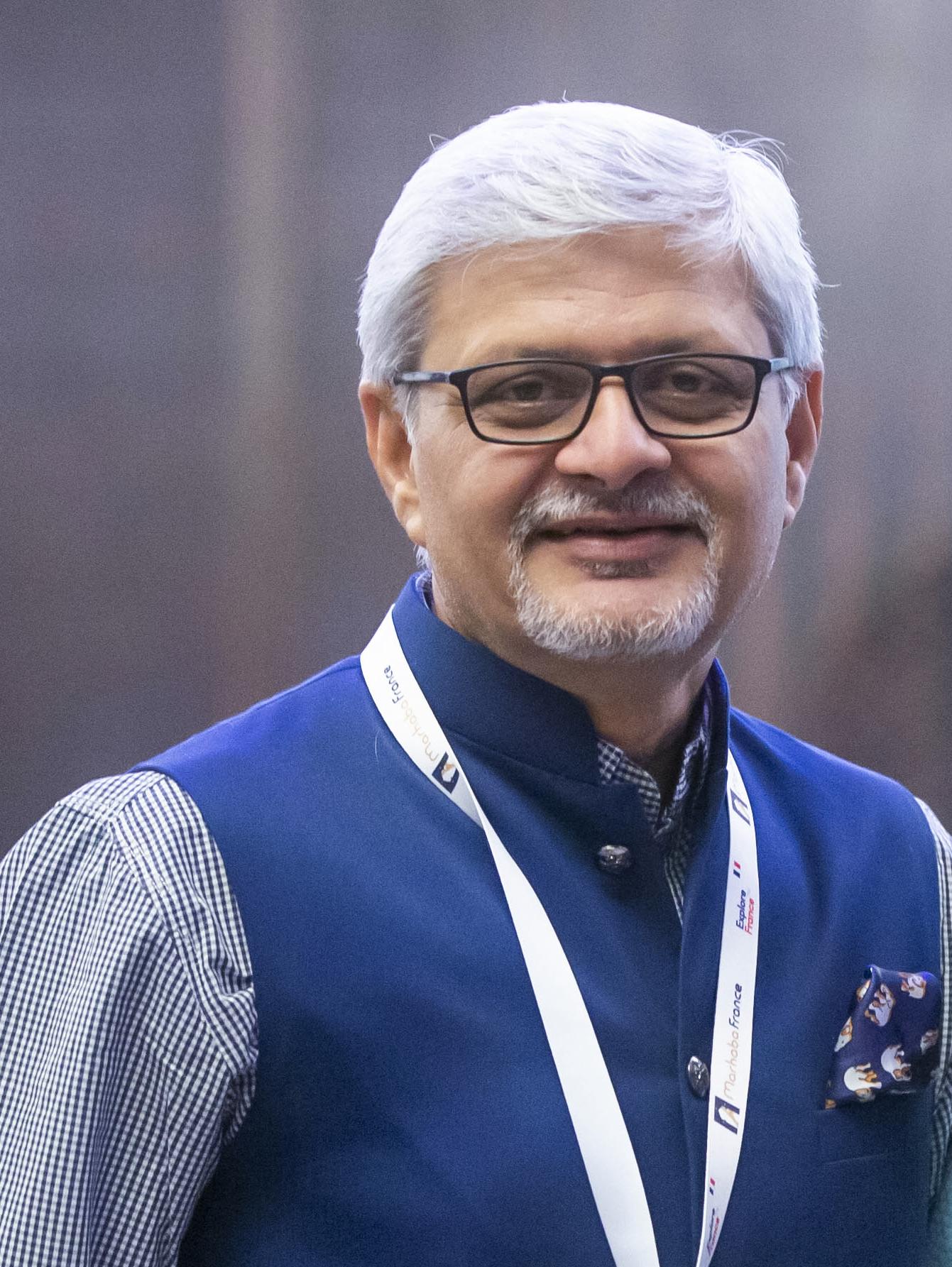
Mahendra Vakharia, Managing Director, Pathfinders Holidays, shared that the world is aware of the huge potential of Indian outbound travel not only in the numbers it generates, but more importantly in the revenue spend that Indian travellers do, which is increasing y-o-y. “Any country which is not aware and ready to receive this revenue spend of the Indian traveller is missing the jackpot big time and playing a losing game,” expressed Vakharia.
For travel planners, the challenge, Vakharia shared, “Travel advisors need to design sensible and purposeful holidays, especially to destinations struggling with overcrowding. In short timing, visit to a destination will be very critical aspect for the travel advisor to plan for client.”
Navigating the way forward
For destinations to secure a larger share of the India outbound market, Vakharia stressed the importance of strong in-market presence, meaningful noise in both national and vernacular media, offering tailored experiences, identifying key travel advisors as strategic partners to help promote the destination.
“Each region in India has its own identity & way of life. The country will have to be mindful of these typical traits and be ready to offer their programmes accordingly. In short if they believe in one size fits all, it will be disaster and fall flat!” noted Vakharia.
Hattangadi echoed this, calling for greater alignment between tourism boards, ground handling partners, hotels, consulates, and airlines. “Even a slight disconnect can cause disinterest, and and negative publicity spreads like wildfire.”
He further noted that destinations must remain receptive to feedback. “Indians love to travel. We, as travel planners, would love to promote new destinations, but everyone needs to be conducive to our efforts and not just show half-hearted efforts and do lip service.”
Hattangadi stressed that familiarisation trips must be structured, accountable, and result-oriented, while destinations should also invest in consumer-facing activations to build recall. “That, then creates potential customers for us to capitalise on, and make them tourism ambassadors for the country. They come back to India and start promoting the destination through word-of-mouth and social media which increases numbers”, shared Hattangadi.
Winning the representation game
With destinations formulating a mighty vision, global representation firms are rethinking their models, stepping away from traditional methods, and grinding ‘out of box’, to ensure their clients don’t get lost in the noise.
G B Srithar, Head – Tourism Services, VFS Global, shared with T3 that millions will continue heading to popular destinations and this may create some traveller management pressures for the destinations. “The test is whether destinations step up with easier entry, better connectivity and experiences that feel truly tailored to this outbound traveller.”
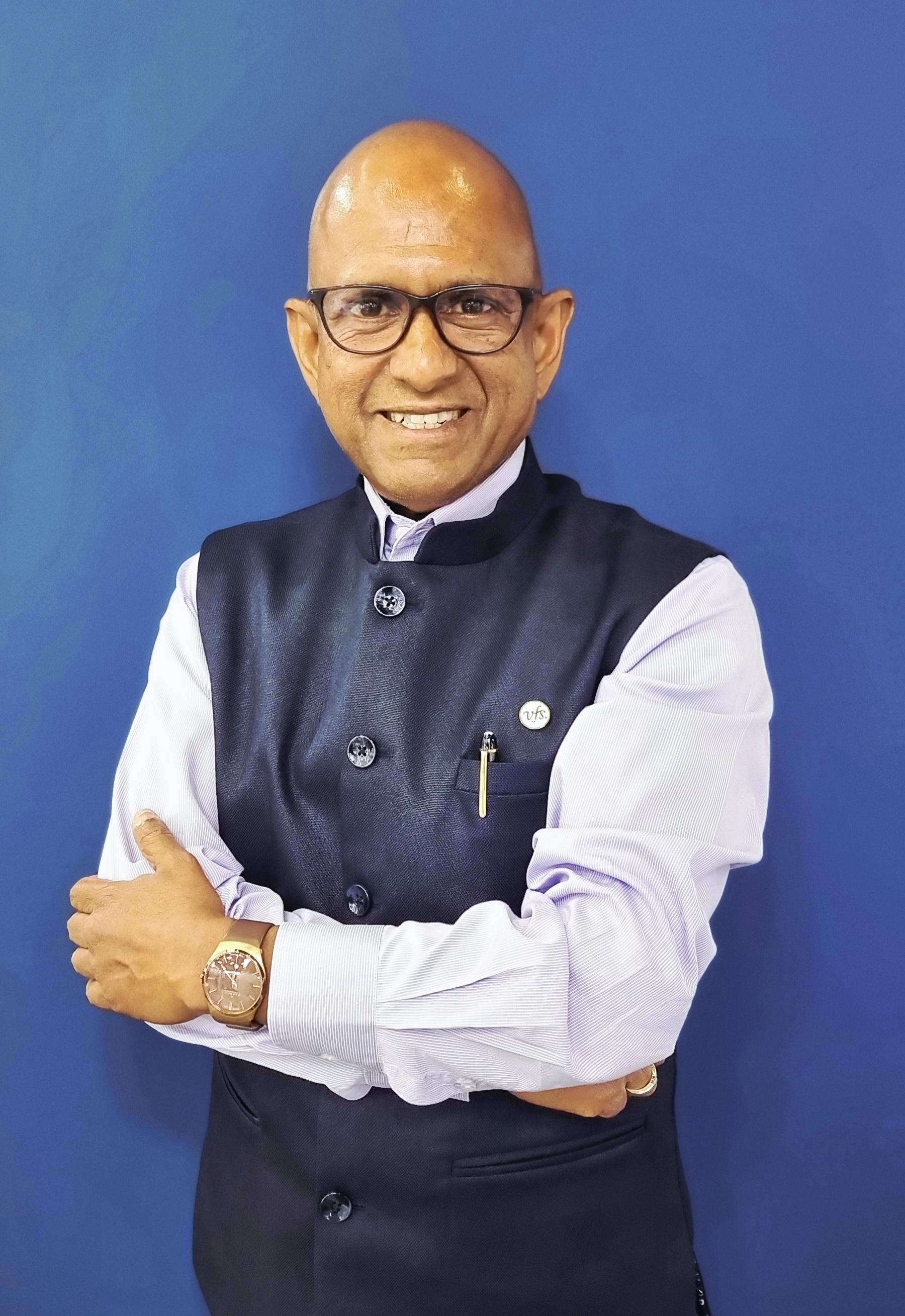
Standing out, he said, “is not about doing more - it is about doing it more creatively and in a focussed manner. Our strategy is built on three priorities. First, precision targeting - tailoring campaigns and engagements for specific agent segments and traveller types, instead of one-size-fits-all messaging. Second, expanded storytelling, ensuring trade participation is amplified through digital campaigns, influencer tie-ups, and media narratives so that presence translates into consumer pull. Third, relationship building - because in India, business isn’t won on a handshake at a booth; it’s earned through year-round engagement.”
Ellona Pereira, General Manager, AVIAREPS India, observed that beyond numbers, the mindset shift is what excites most. “While the numbers highlight scale, the deeper story is of a more mature, aspirational, and evolved traveller base. For destinations, this is a golden opportunity not only to welcome more visitors from India but to engage them with narratives that reflect their evolving values and aspirations.
For Pereira, the goal is not just presence but impact. “We advise our partners to focus on targeted initiatives such as bespoke roadshows, high-impact activations, and campaigns tailored to evolving Indian traveller preferences. Tier-2 and 3 cities also remain a priority, with their strong outbound growth and appetite for new experiences. By blending on-ground initiatives with digital engagement, AVIAREPS ensures our partners stand out in India’s complex yet high-potential landscape.”

Hemant Mendiratta, Director at One Rep Global, agreed that the flow is concentrated in a handful of destinations, creating over-saturation.” To counter this, he noted, firms and their destination clients are moving beyond traditional trade show booths. “The new approach is a blend of targeted, high-impact strategies. Instead of mass events, the focus is on curated one-on-one meetings and fam trips for key agents and tour operators. This allows deeper conversations and a clearer understanding of a destination’s unique value proposition.”
Identifying roadblocks
Srithar noted, “Travellers here remain value-conscious, luxury spenders expect clear justification for every rupee spent. The distribution system is equally layered. Metros continue to drive numbers, but the real surge is now coming from tier-2 and 3 cities, each demanding tailored outreach strategies.”
Access remains a decisive factor. Srithar observed that when connectivity is limited or visa procedures become cumbersome, Indian travellers quickly pivot to destinations with simpler entry. Equally important is the traveller’s mindset. “Indians today are confident, articulate and unapologetic in what they expect. Food, service, cultural comfort and clarity of communication matter as much as the core product.”
Pereira echoed this sentiment, stated that the challenge lies in diversity - cultural, linguistic, and economic. “There is no single ‘Indian traveller’ persona. Preferences vary dramatically across regions, age groups, income brackets, and even seasons, making a one-size-fits-all approach ineffective. To truly inspire, destinations must dive deep into regional nuances and curate aspirational travel offerings.”
She also underlined the fragmented distribution landscape. While OTAs and large operators matter, outbound demand from tier-2 and 3 cities is still largely driven by smaller, regional agents with deep local networks. Reaching this ecosystem requires sustained, localised effort. Visa delays, connectivity gaps, and price sensitivity, especially in the mid-market and family segments remain strong influencing factors. “Yet, what ties it all together is India’s relationship-driven nature,” Pereira explained. “Trust, face-to-face engagement, and consistent presence remain critical for building long-term equity.
Mendiratta pointed to visa hurdles as one of the biggest deterrents. He also emphasised that Indian travellers are not simply looking for the cheapest option; they are deeply value-conscious. Destinations must demonstrate a clear return on investment by offering high-quality experiences that justify the spend.”
Mendiratta stressed that India is far from monolithic. “Travel preferences vary significantly across states, age groups, and income levels. Destinations must tailor marketing to appeal to specific segments, whether it’s multi-generational families from northern India or young solo travellers from the south.”
Launchpads for emerging travel hotspots
Events like SATTE are no longer just exhibitions; they have evolved into powerful launchpads for destination marketing and industry networking. Pallavi Mehra, Group Director and Publisher of Travel Trends Today, Informa Markets in India, noted that SATTE has grown into more than a trade show, it now actively shapes India’s tourism narrative.
“While SATTE initially began with a strong focus on inbound, over the last three decades it has evolved as a strategic launchpad for outbound as well. Today, SATTE is recognised not just as India’s leading travel trade show, but also as the most influential marketplace across Southeast Asia,” Mehra expressed.

Mehra emphasised that India’s outbound tourism story is no longer about numbers alone but about building meaningful connections between destinations and the Indian travel trade. SATTE, she explained, has been central to this journey. “Many destinations that are household names for Indian travellers today, be it BrandUSA, Thailand, Dubai, Sharjah, or Azerbaijan, began their India outreach through SATTE.
Looking ahead, Mehra highlighted that as the opportunity is immense, so is the responsibility. “At SATTE, we are aligning our platform to this responsibility by expanding participation from both established markets and emerging hotspots eager to tap India’s potential. Through structured B2B meetings and knowledge sessions, we ensure trade professionals gain actionable insights into how this outbound surge can be channelled sustainably.”
Another driver of this growth, Mehra pointed out, is India’s rising middle class with greater disposable income and aspirations. “This demographic shift is fuelling demand not only for iconic destinations but also for offbeat and niche experiences. SATTE is uniquely positioned to connect this demand with global supply, giving new and lesser-known destinations a stage to introduce themselves to India’s outbound planners.”
In addition, with outbound demand rising from tier-2 and 3 cities, SATTE has expanded its reach through a series of Connect & Roadshows across key regions in India, creating vital networking platforms for travel professionals and stakeholders beyond the main metros.”