The Incredible India story that worked — and why it’s time to retell it
 Representative Image
When India launched the Incredible India campaign in 2002, it didn’t just unveil a tourism promotion—it sparked a national movement. The exclamation point in the iconic Incredible !ndia logo was more than clever punctuation—it stood for astonishment, emotion, and spiritual depth. It transformed how India was perceived globally, putting it on the aspirational map for millions of travellers. But two decades on, as inbound tourism continues to grapple with post-COVID constraints, changing travel behaviour, shrinking global visibility, and dreary marketing budgets, the question often asked —where is the next Incredible India?
With the upcoming IATO Convention in Puri themed “Rejuvenate Inbound @2030,” the travel industry is united in its demand: India must urgently reboot its national tourism campaign with vision, vigour, and modernity to reclaim its space in the global tourism circuit and the time is ripe for the rebirth of effective campaigns like Incredible India & the IATO members couldn’t agree more!
The Birth & impact of Incredible India!
Launched in 2002 under the leadership of the then ADG of the Ministry of Tourism, Amitabh Kant, the Incredible India campaign was a landmark moment for Brand India. Designed with creative brilliance by O&M's V. Sunil, Incredible India captured the imagination of international audiences with its powerful visuals, spiritual undertones, and cultural kaleidoscope. This was for the first time, that the country presented itself as a unified destination through powerful visuals, emotionally resonant storytelling, and consistent global outreach. This shift was not cosmetic—it triggered a 16% increase in inbound footfall in its first year, according to estimates by stakeholders.

“Incredible India—this makes we in the tourism industry nostalgic,” recalls Rajnish Kaistha, Sr. Vice President, Indian Association of Tour Operators (IATO). “Wow was the reaction from the western countries when it was launched in 2002 by then ADG, Amitabh Kant. The primary objective was to promote India as a tourist destination and announce to the world that India Tourism had arrived.”
He added that the campaign has been highly successful and helped generating much bigger numbers of tourist arrivals till Covid hit the industry. “Our members ride on the success of this campaign and tirelessly kept promoting India for the cause of inbound tourism.”
What made the campaign powerful, tourism leaders agree, was its emotional core. “The Incredible India campaign resonated emotionally because it celebrated India’s soul—its culture, spirituality, and diversity—through powerful storytelling and evocative imagery,” says Ravi Gosain, President, IATO. “It wasn’t just a brand; it was an identity. For inbound operators, the campaign brought global visibility, opening new markets and instilling pride.” He adds that India witnessed a marked uptick in interest from high-spend, experience-driven travellers post-launch.
Echoing his thoughts, Sanjay Razdan, Vice President-IATO, describes it as a cultural and emotional narrative. “The strength of the Incredible India campaign lay in its ability to celebrate diversity without overwhelming the audience. Through striking visuals, emotive music and thoughtful messaging, it didn’t just invite travellers—it welcomed them into India’s soul. The campaign transcended tourism to become a national identity project that resonated equally with domestic and international audiences.”
For inbound operators, it was a game-changer, said Razdan, adding that Incredible India gave them a cohesive platform, one that allowed operators to plug into a larger narrative.
The sentiment is also echoed by Viney Tyagi, Hon. Jt. Secretary, IATO, who vividly remembers the context of its soft launch. “In 2002, Indian tourism was going through one of its most difficult phases, caught in the midst of a global crisis. Yet, that campaign slowly lit a spark. It wasn’t just about promoting monuments or landscapes—it was about evoking curiosity, pride, and a sense of belonging. The imagery, music, storytelling—reminded both Indians and foreigners that India is not just a destination; it’s an experience.”
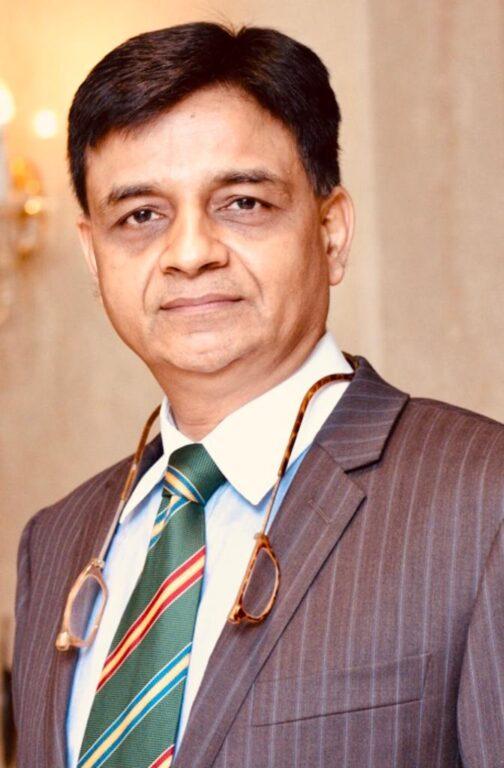
Tyagi recalls how, over the years, the Incredible India campaign gradually earned global recognition and gave a tremendous boost to inbound tourism by emotionally connecting across generations. Back home, it triggered a generational shift: youth began pursuing careers in tourism, aviation, and hospitality, while international airlines expanded into Indian skies, new hotels mushroomed across destinations, and inbound operators flourished—even in remote areas—creating jobs and contributing significantly to the country’s foreign exchange earnings, he said.
“Prior to the launch, Indian tourism was promoted without any focus and was known only as a destination of snake charmers, some monuments, and the Taj Mahal,” said Deepak Bhatnagar, Hony. Treasurer, IATO. “By launching the Incredible India campaign, it provided much-needed focus to inbound tourism. It was backed by various marketing efforts by the Tourism Ministry and international marts, and finally helped increase our share in inbound business.”
“Tour operators could finally align under a strong, cohesive and singular brand to promote India instead of fragmented state-led efforts,” recalled Manoj Matta, EC – Active Member, IATO.
“The iconic exclamation mark (!) captured the essence of surprise, vibrancy and wonder, while rich visuals - from iconic Taj Mahal to the stunning beauty of Himalayan Peaks to the widespread dessert and serenity to the vibrant street life - wove a cultural narrative that felt timeless. This also created a question mark in the tourist’s mind to explore the unexplored India,” he pondered, adding that the campaign resulted in sharp 16% spike in foreign arrivals in the very first year of its launch.
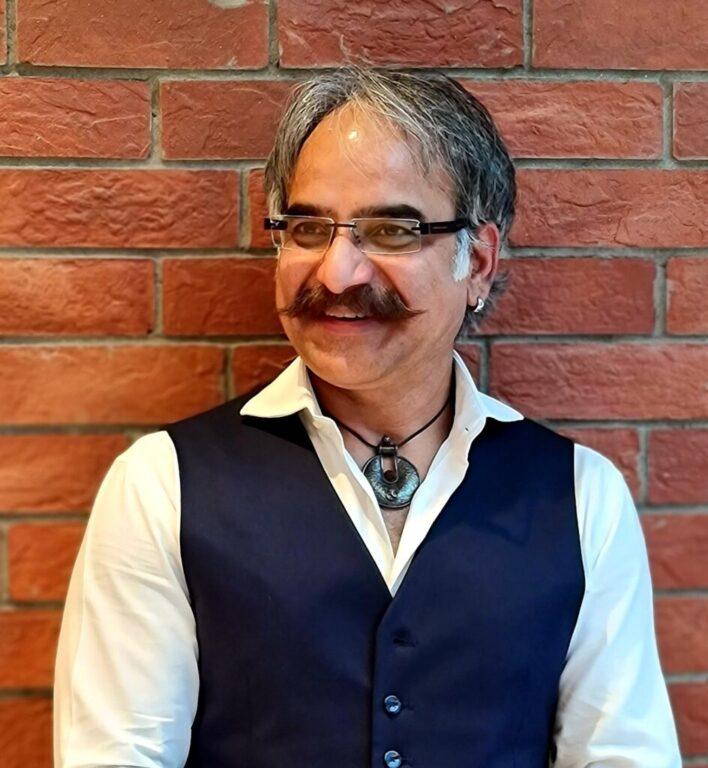
Sunil Mishra, IATO’s Hony. Secretary also resonated saying the campaign’s launch was a turning point, giving India a unified global identity, elevating the brand visibility, and significantly increasing tourist arrivals. “Moving forward, the next Incredible India campaign should capture the great blend of timeless heritage and a vibrant, modern India. It should highlight our ancient traditions, world-class infrastructure, diverse landscapes, and innovative tourism products—positioning India as a place where history, culture, and contemporary experiences come together to offer something truly unmatched. This approach will resonate with both traditional and emerging markets, including China, which has reopened after five years, and will align with our 2030 revival goals,” he stresses.
Sejoe Jose, IATO Chapter Chairman (Kerala) adds a creative perspective too: “India is more like a continent—with variety in culture, landscapes, cuisine, and more. The ‘Incredible India’ campaign was the right phrase to explain that to people across generations—from young to old, spiritual to adventurous, history to modern. It changed the way tourism creatives looked globally. There was more curiosity, more awareness, and it brought more tourism.”
The campaign’s greatest success, perhaps, was that it made India feel discoverable and deeply human, as per Prateek Hira, IATO Chapter Chairman (UP). “It presented India in an attractive, mysterious, and often undiscovered form. This branding, coupled with strategic marketing, not only boosted international tourism but also created a much-needed positive image of India in the West.”
Incredible India’s success was also driven by India's Overseas Tourism Offices and a robust international presence in travel marts and exhibitions. From “Find the Incredible You” to “Atithi Devo Bhava”, it showcased India's culture, spirituality, landscapes, and people in a refreshing, awe-inducing manner. But as the stakeholders pointed out, the campaign eventually lost momentum, India's inbound numbers started to fade off and the country started to slipped off the minds of travellers. That golden era became a distant memory.
Inbound numbers tell a troubling tale
Despite a rebound in domestic travel, India's international arrivals remain sluggish. According to the Ministry of Tourism's provisional estimates, India received approximately 9.1 million foreign tourist arrivals in 2024, still below the pre-COVID peak of almost 11 million in 2019—despite most other global destinations not only bouncing back but surpassing 2019 numbers. The reasons run deeper than pandemic aftermath. Whereas countries like Vietnam, Thailand, and Saudi Arabia—once behind India—have surged ahead by investing heavily in adaptive tourism branding, policy integration, and consistent outreach.

One of the key reasons is a drastic reduction in overseas promotions. In 2023–24, the Ministry of Tourism received a total allocation of INR 2,400 crore, of which only INR 33 crore was set aside for overseas marketing—a fraction compared to Thailand’s USD 140 million and Saudi Arabia’s USD 600 million global tourism budgets.
“Sadly, over the last couple of years, the overseas marketing budgets have been slashed, overseas India tourism offices have been shut, and there has been no overseas marketing from tourist-generating countries,” points Kaistha. “We still haven’t touched pre-Covid arrivals till December 2024. So, this is the time to revive the Incredible India campaign and get real international tourists back to India.”
“The global economic crisis in 2009 hit us hard. Tourism slowed again. The Incredible India campaign began to fade,” added Tyagi. “In 2018, the closure of all Overseas India Tourism Offices marked a serious setback. Our global visibility collapsed. Slowly but surely, Incredible India slipped out of sight and out of the minds of global travellers. Today, it pains me to say that India is no longer top of mind for international travellers. We have the talent, the destinations, the stories—but we lack the platform to tell the world.”
This loss of momentum is something many in the industry echo. “Unfortunately, the campaign eventually lost momentum and was not replaced in time by any other, which is disheartening for India's inbound industry,” echoed Prateek Hira.

In a world where global travellers are making quicker, tech-driven choices and younger demographics are seeking authentic, connected experiences, the absence of a compelling, consolidated message has pushed India further into the background. “The world has changed—with people now preferring safe accommodations with good internet, more emphasis on perceived safety after incidents like the recent Pahalgam attack, and the rise of Gen-Z travellers with different expectations.” He believes it’s time for the Ministry of Tourism to reposition India with a fresh, well-funded campaign.
Why India needs a new narrative & lessons from the world
From nostalgic reverence to pointed criticism, every industry voice is calling for urgent reinvention of Incredible India. Gosain emphasised the emotional power of the original campaign and argued that the next version must pivot toward sustainability, digital storytelling, immersive journeys, and human experiences—“not places to see, but ways to feel.”
Bhatnagar sharply criticised the discontinuation of international marketing post-COVID, adding that “India should have immediately launched either a refreshed Incredible India or an entirely new campaign post-pandemic. Instead, we became invisible.”
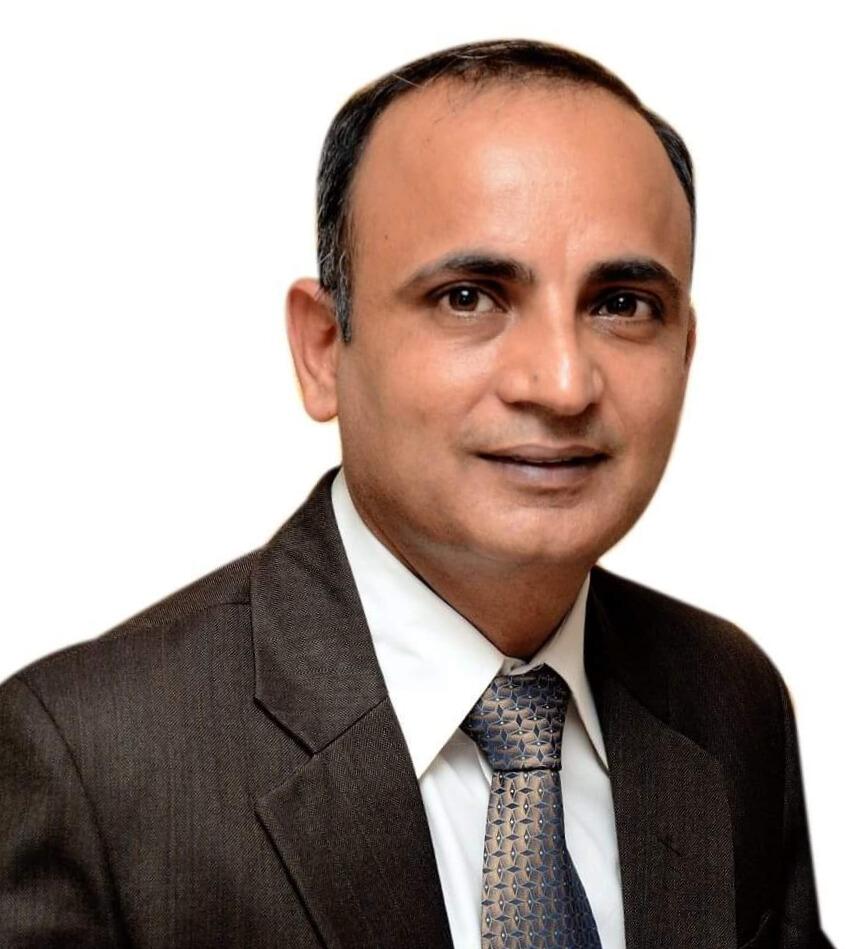
On similar lines, Kaistha recommended launching “Incredible India 2.0” or even a new-age identity altogether. “Marketing must be continuous, adaptive, and policy-backed, not sporadic. The Government must invest INR 1,000 crore over the next five years to turn the tide.”
Razdan echoed the importance of integrity in storytelling: “We don’t need to reinvent, but reinvigorate—keep the emotional spine, but update the storytelling.”
Jose pointed out how the original campaign elevated India’s creative positioning globally. “But today’s audience is different. The next campaign must reflect their mindset—sustainability, regional depth, India’s own versions of responsible tourism.”
Stakeholders offered compelling examples of campaigns that India can draw from:
Japan’s “Endless Discovery” campaign rivals Incredible India. “Like Japan, our messaging must celebrate contrasts—ancient-meets-contemporary—through human stories. Emotional depth, cinematic visuals, and thematic campaigns tailored to different traveller personas can make the next chapter of Incredible India even more compelling and globally competitive,” shared Gosain.

Vietnam’s tourism revival journey has been marked by a series of impactful campaigns such as Vietnam NOW, Impressive Vietnam, Vietnam – Timeless Charm, Live Fully in Vietnam, and the standout Vietnam – Go to Love. Each campaign came with fresh visuals, emotionally resonant messaging, and market-specific targeting—far more than mere slogans. They served as strategic revival tools, backed by strong government support in the form of visa exemptions, simplified entry rules, and attractive travel packages, as per Tyagi.
“Even the strongest brands need refreshment and reinvention. While Incredible India stirred emotions, it needs to evolve with time. Vietnam’s approach shows us that bold changes and fresh narratives backed by meaningful support can win the hearts of global travellers, again and again.”
New Zealand’s “100% Pure New Zealand” stood out for consistency and values like environmentalism and indigenous pride. “What we can learn from it is the power of long-term narrative ownership, sticking with a clear vision, updating it subtly to reflect new realities, but never diluting its essence. Incredible India, similarly, must continue to evolve without losing its identity,” said Razdan.
Saudi Arabia’s “Welcome to Arabia” campaign transformed its global image from orthodox to open, and is now clocking record tourism growth. Initially dependent on pilgrimage, the destination today going out and about for tourism promotions. “Coupled with strategic policy and planned marketing efforts, their campaign has not only increased international tourist footfall but also transformed the international perception into a modern and open destination,” said Hira.

Portugal’s “Hello World – It’s Me, Tomorrow” was praised by Matta for being poetic, futuristic, and deeply environmentally aware. “It didn’t invite tourists to visit—it asked them to care. Portugal’s campaign doesn’t just invite one to visit—it asks one to care. That’s the kind of emotional gravity that Incredible !ndia can continue to build on, especially as global tourists seek immersion over sightseeing,” said Matta.
Bhutan’s, “Bhutan Believe” and Nepal’s “Naturally Nepal: Once is not enough” are also worth consideration while creating new campaign for India.
“Malaysia Truly Asia”, Sri Lanka’s “A story for every season” and “You shall come back for more” for repeat visitors. Thailand’s “Always Amazes you” OR “Only in Dubai” have been successful stories of how to brand and promote a destination, as per Kaistha.
What should Incredible India 2.0 look like?
Across inputs, several themes emerge that could define the reboot:
1. Emotion-Driven Storytelling: Campaigns should invoke curiosity and connection. Let the world discover India’s soul—through community-based experiences, slow travel, and spirituality, not just the Taj Mahal and palaces.
2. Segmented and Customised Messaging: Campaigns must speak differently to each market. Prioritising experience over itinerary.
3. Policy Backing: Campaigns must be accompanied by real-world facilitation including e-visa fee waivers for key markets, Open skies policy to increase air capacity and infrastructure investment in Tier-2 and Tier-3 destinations.
4. Technology Integration: Use AR/VR, influencer advocacy, AI-powered itinerary builders, and immersive virtual tours.
5. One Unified Brand: Tourism in India must stop being a battleground of state campaigns. States must complement, not compete. One unified umbrella—‘Rejuvenated India’—can bring cohesion.
6. Inclusivity and Accessibility: Develop and promote India as a welcoming destination for all—solo women travellers, seniors, differently-abled tourists, and LGBTQ+ travellers.
7. Green India, Responsible India: Make sustainability the cornerstone of tourism promotion.
A bold reset needed
With 2030 set as the ambitious milestone for reviving inbound tourism and India aligning its Amritkaal goals to make India a USD 3 trillion tourism economy, industry experts are calling for a bold reset of the country’s global branding strategy. “It’s high time we rebrand India Tourism,” said Tyagi. “The Incredible India campaign, while iconic in its time, no longer reflects the realities, aspirations, or global standing of today’s India.”
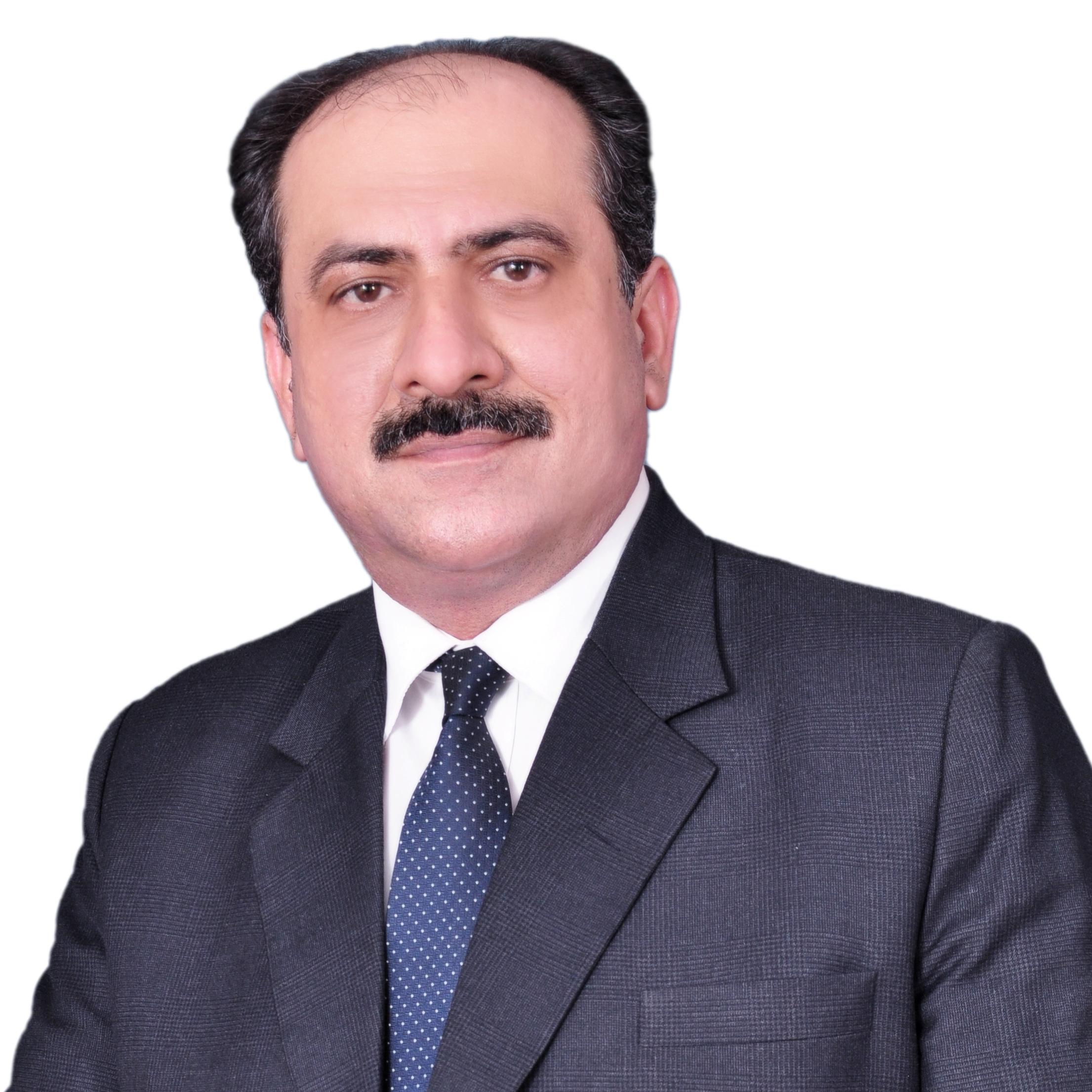
As inbound numbers still lag behind pre-Covid levels, Razdan agrees that the next phase must go beyond showcasing “what” to see and instead communicate “why it matters”—to both travellers and host communities. “India has stories in every village—our next campaign must invite the world not to visit, but to belong,” added Gosain, urging a shift towards sustainability, immersive journeys, and meaningful local connections. Campaign concepts like Slow India, Sacred India, or Crafted in India should be floated as thematic anchors, supported by VR previews, influencer advocacy, and responsible tourism narratives. “Our next campaign must invite the world not to visit, but to belong,” he asserted.
But branding alone won’t cut it. “India must be marketed for all seasons and reasons,” stressed Kaistha, who urges a coordinated national campaign backed by embassies, marketing agencies, and a long-overdue National Tourism Board in public-private partnership mode. The youth traveller is also a crucial segment that India must now actively pursue. “Our campaign must focus on attracting the new generation… while ensuring we have the infrastructure to match their expectations,” said Bhatnagar.
“We must work with the Ministry of Tourism, Finance, and Commerce to co-create a next-gen campaign backed by investment, insights, and international outreach,” said Tyagi, pointing to Vietnam’s sharply focused goals—USD 130 billion in revenue, 50 million foreign visitors by 2030—as a benchmark.
From “sightseeing to sight-experiencing,” as Hira puts it, today’s tourist wants soul, stories, and substance—not generic itineraries. The message is clear: a scattered approach won’t work anymore. As Hira cautions, “One thing at a time and that done well should be the guiding principle to overcome the problem of too many priorities.”
Jose believes the next campaign after "Incredible India" must offer a fresh, contemporary identity rooted in today’s traveller mindset. “We need a new campaign that reflects what modern travellers value—sustainability, responsibility, and authenticity,” he said, adding that a well-crafted, culturally grounded reboot, he asserts, can give India the renewed global appeal it needs.
IATO’s role from Catalysts to Changemakers
The Incredible India campaign—celebrated globally for transforming India’s tourism image—has not been shaped in isolation. Behind the scenes, the Indian Association of Tour Operators has played a persistent and pivotal role. As Gosain aptly puts it, “IATO conventions consistently echoed the need for targeted, contemporary messaging, and this feedback helped shape the evolution of the campaign—from showcasing monuments to promoting immersive journeys. Government’s receptiveness to industry input strengthened alignment between national branding and on-ground tour operator capabilities.”
Across its 39 conventions, IATO has brought issues like fragmented state-level marketing, visa hurdles, and infrastructure gaps into sharp focus. “Since its inception, IATO has been actively engaged in policy making... calls for centralised tourism governance and substantial funding highlighted the need for strategic reform,” added Matta, pointing to reforms like e-visa expansion and Incredible India 2.0 as results of IATO’s advocacy.
The annual IATO Convention, often an unsung hero, has become the pulse point of inbound tourism. “At every annual convention, through every platform we had, we urged the Ministry of Tourism to reignite the campaign with renewed energy,” recalled Tyagi, though he laments the limited government response over the years.
Still, the association has maintained its proactive stance. “IATO is not just the voice of its members; it has become an influential and respected voice of tourism in India,” said Hira, highlighting the body’s solution-based feedback on areas like responsible and experiential tourism. Kaistha added, “IATO played a critical behind-the-scenes role in ensuring that the promises made in the campaign were matched by product delivery on the ground.”
Over the span of 39 annual conventions, the Indian Association of Tour Operators (IATO) has evolved into more than just an industry platform—it has become a vital policy touchpoint connecting the travel trade with the corridors of power. These conventions have consistently provided a structured space for dialogue between government bodies and stakeholders, addressing pressing issues such as the need for a unified national tourism vision, improved infrastructure, e-visa facilitation, and rationalised taxation.
As the 40th IATO Annual Convention in Puri approaches with the theme "Rejuvenate Inbound @2030," the timing couldn’t be more urgent. India’s inbound potential is not a question—it is a certainty waiting to be realised. With Asia emerging as the largest global tourism market by 2030, India can no longer afford to be reactive or nostalgic. The travel trade is ready. The market is ripe. The stories are countless. What India needs now is a bold, united, future-ready campaign—one that tells the world: we are still Incredible, and now, we’re Unforgettable.
10 Key Recommendations from IATO
1. Launch a reimagined, modern “Incredible India 2.0”
2. Allocate INR 1,000 cr over 5 years for global marketing
3. Reinstate and digitally empower Overseas Tourism Offices
4. Shift Focus from Sightseeing to 'Sight-Experiencing'
5. Invest in Market-Specific, Traveller-Centric Campaigns, making it more inclusive
6. Use Tech for Immersive Discovery
7. Promote one unified India brand; end fragmented state-led campaigns
8. Back Branding with Policy Action
9. Reposition India as Sustainable & Responsible tourism destination
10. Institutionalise a National Tourism Board