Unified push, connectivity & sustainability crucial for tourism development in the Northeast
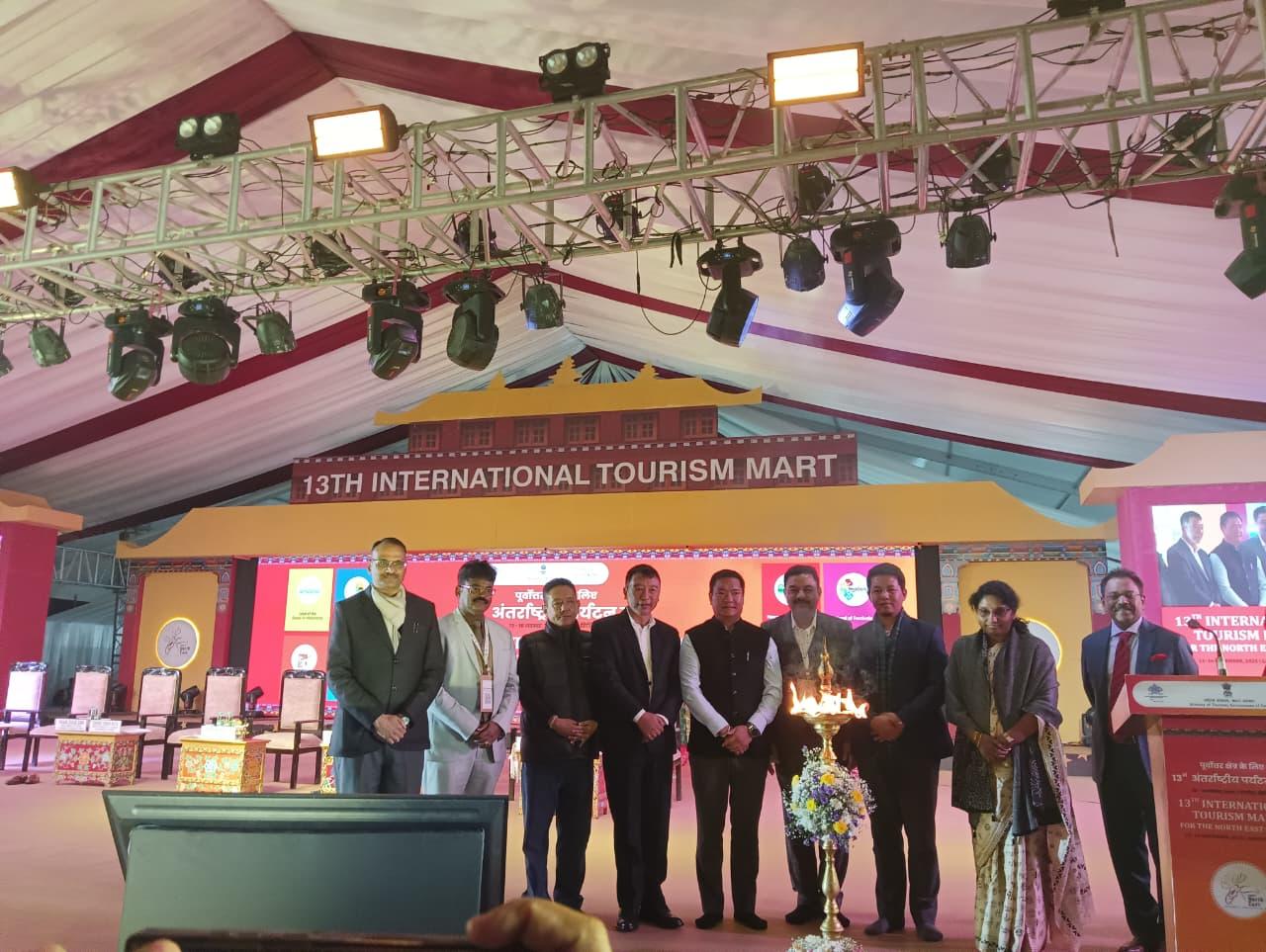
 Representative Image_Snapshot from the inaugural session 1
-During the ongoing ITM, Arunachal Pradesh Chief Minister Pema Khandu's proposal for regional convergence and joint promotion approach, supported by transformative infrastructure projects across the region, signalled a positive omen.
- From a tour operator point of view, having a single unified Northeast permit, would definitely work as a game-changer for the region and help increase arrivals.
-With participation from international stakeholders from 19 countries and 90 domestic operators, ITM 2025 served as an ideal platform where the regional officials unveiled their ambitious tourism strategy along with the new offerings.
-The Mart focused on critical regional challenges including connectivity solutions, homestay policy frameworks, and sustainable development models.
Detailed event report below:
The 13th International Tourism Mart (ITM) in Sikkim opened on November 14th evening with a powerful statement urging a unified tourism strategy for the Northeast, as Arunachal Pradesh Chief Minister, Pema Khandu insisted all eight states to come together to promote the region as an integrated destination. Terming connectivity, sustainability, youth empowerment as the three pillars pushing forth this growth, Khandu mentioned about the changed long-standing narrative around the region, crediting the past decade of policy focus by the Government of India.
“Tourism is the binding force of the Northeast. Each of our states has a distinct culture, landscape, and heritage. But only when we present ourselves collectively do we unlock our true potential. We must ensure regional convergence and joint promotion of the Northeast as a unified tourism destination and convey this vision of equitable tourism development to all stakeholders,” the CM said, while addressing the delegates in Sikkim.
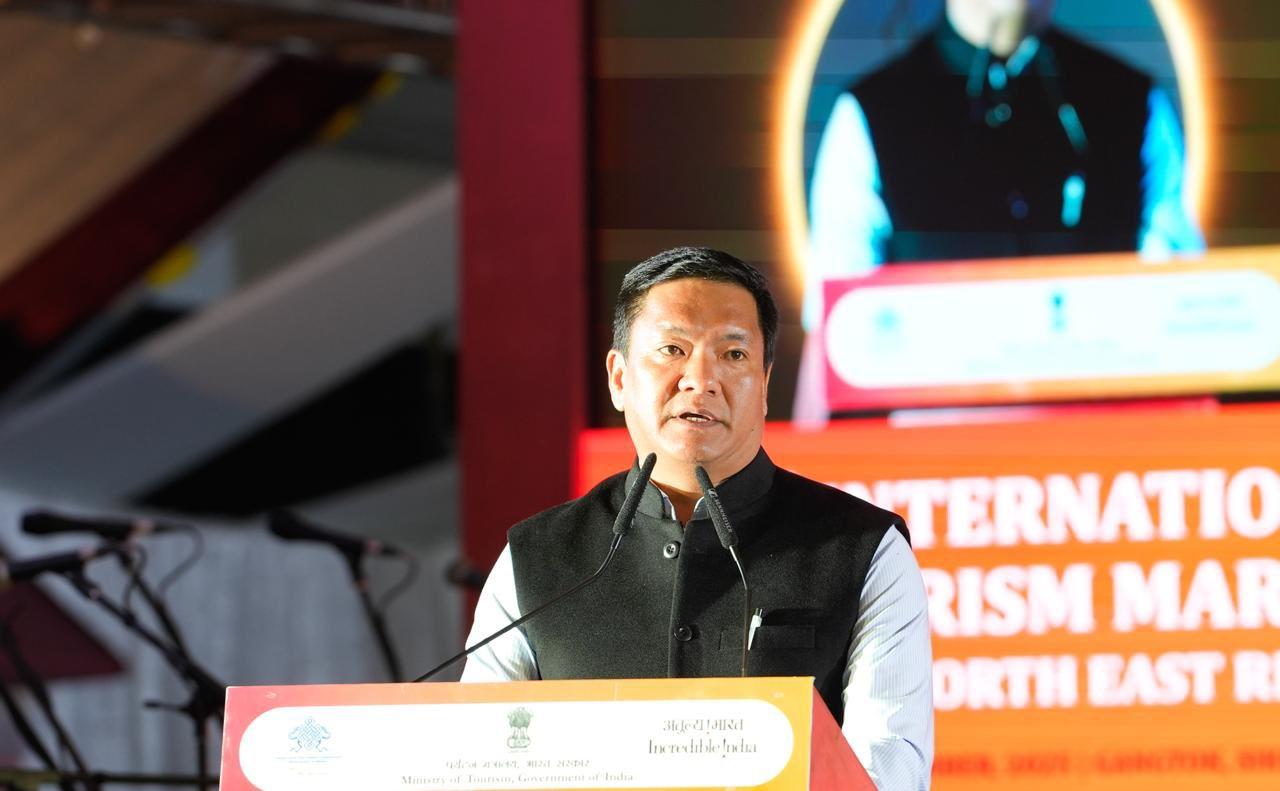
Another key highlight of Khandu’s address was the proposal for a circuit-based travel plan for the Northeast, aimed at packaging the eight states into curated, interconnected experiential routes. This would mirror successful circuit models in other states but with the added diversity of tribal cultures, Himalayan landscapes, and ecological heritage.
While celebrating cultural diversity, Khandu acknowledged long-standing challenges in the region, especially connectivity. Air connectivity remains constrained due to weather conditions and technical issues related to hilly terrain. But major interventions are underway.
One of the most ambitious among them is the 2,600 km Frontier Highway in Arunachal Pradesh, a transformative project that will run along the state’s border areas. The tendering process is complete, with a five-year completion target. Khandu pointed, “It will redefine travel and tourism potential across Arunachal and the entire Northeast.” He added that similar momentum is visible across all seven other Northeastern states, with highways and district roads undergoing unprecedented upgrades.
For enhanced connectivity, he also stressed the need for stronger regional aviation, recommending a hub-and-spoke model with smaller aircraft to ensure seamless inter-state movement.
Additionally, Khandu cautioned that the Northeast’s fragile ecology must remain at the centre of tourism policy planning. He called for sustainable tourism policies focused on ecological protection, Cultural and heritage conservation, responsible community-based tourism, Reduced carbon footprint in tourism mobility, among other efforts.
“The tourism development cannot come at the cost of environmental degradation or cultural dilution. We must promote responsible tourism supported by policies that protect our tribal heritage, communities, and culture,” he asserted.
Quoting the tourism sector as a major job generator, Khandu also pressed for aggressive capacity building and skill development across the region. He said that our youth must be empowered with skills as they will drive the tourism industry of the future. “Training, skilling, and entrepreneurship development must be at the heart of our policies.”
At the end of his address, the Chief Minister highlighted that various government schemes are already giving the region stronger visibility globally, and that states must leverage this momentum.
He also noted that hosting the 13th edition of ITM in Sikkim for the second time underscores the state’s emergence as a model of sustainable and organic tourism. The event’s diverse participation from key foreign countries reflects growing interest in Northeast India as a high-value destination.
Industry voices ‘One NE permit for all states’
Even as Khandu and other policymakers emphasised regional convergence, the travel agents at ITM shared candid insights on the challenges that continue to limit the Northeast’s tourism potential. Despite its cultural richness, the region receives less than 2% of India’s total foreign tourist arrivals, with Sikkim being the only exception, shared Rajnish Kaistha from Paradise Holidays and Senior Vice President at IATO.
“Northeast is still not on most tour operators’ radar. The infrastructure is still not great. Biggest problem is not having seamless travel due travel restrictions and various permits and accessibility. When a tourist comes to India, he already has visa which has been vetted by immigration office.”
He further suggested that a single unified Northeast permit would be a game-changer for the region and “definitely help in getting numbers to the Northeast.”
The sentiment also aligns strongly with Khandu’s call for regional convergence and ease of movement across the eight states.
The growing international interest in NER; not numbers but chasing quality
During his virtual address, the Union Tourism & Culture Minster, Gajendra Singh Shekhawat pointed to strategic investments in airports, highways, railways, and digital connectivity in the region which have dramatically reduced both physical and perceptual distances. “This development is evidenced by a substantial increase in air traffic, from 9.8 million passengers in 2019 to over 11.6 million in 2024,” he said.
Under flagship schemes like SACSI, Swadesh Darshan, Prashad, and more, projects worth 3000 crores have been approved for the Northeast. These substantial investments are dedicated to building new tourism circuits, reviving heritage sites, strengthening connectivity, and creating world-class tourism experiences. The overarching goal, said Shekhawat, is to establish the Northeast as one of the world's leading sustainable tourism destinations.
“Tourism is a bridge connecting people, cultures, and opportunities in the Northeast. Initiatives like homestays, community-led tourism, adventure circuits, spiritual trails, festivals, and tea estate tourism are actively generating jobs, incomes, and dignity for local communities. The growing international interest in the region's biodiversity, culture, and spiritual depth is underscored by Assam's inclusion in The New York Times' '52 Places to Go in 2025'.”
Recognising the ecological sensitivity of the region, he also pressed on the necessity of responsible development aligned with the national strategy for sustainable tourism and Mission Life. This approach ensures that the Northeast caters to the global trend of authentic, eco-friendly, and meaningful travel experiences.
In a similar context, Suman Billa, AS & DG Tourism, Govt of India shared that the focus for northeast is not majorly the visit numbers but creating high-quality, sustainable tourism products. When asked a question about the minimal foreign arrivals to the region, he argues against using visit numbers as a metric for success, suggesting instead that the focus should be on creating high-quality, authentic tourism products that cater to high-spending markets. He presses on the importance of maintaining the Northeast's pristine nature and carrying capacity limitations, emphasising the need for a strategy that prioritises quality over quantity. “This advantage of the Northeast is the best to learn from the mistakes of other destinations and creating a unique, high-end tourism product,” he added.
Conscious, controlled development and connectivity key for Sikkim
In his keynote address, Tourism Minister of Sikkim, Tshering Thendup Bhutia offered a sweeping overview of Sikkim’s tourism potential, infrastructure advancements, and policy reforms. “Sikkim, though small, stands tall in natural beauty and cultural heritage. It has emerged as a role model for sustainable and responsible tourism,” he said.
He underscored Sikkim’s exceptional biodiversity, noting that although the state occupies just 0.2% of India’s geographical area, it hosts 26% of the world’s floral biodiversity. With 550 species of birds and 700 species of butterflies, Sikkim stands among India’s richest biodiversity zones.
Further, highlighting the state’s community-first approach, he announced: “Over a thousand homestays have been allotted to genuine beneficiaries across the state as part of our mega homestay schemes to promote rural tourism and conserve indigenous heritage.”
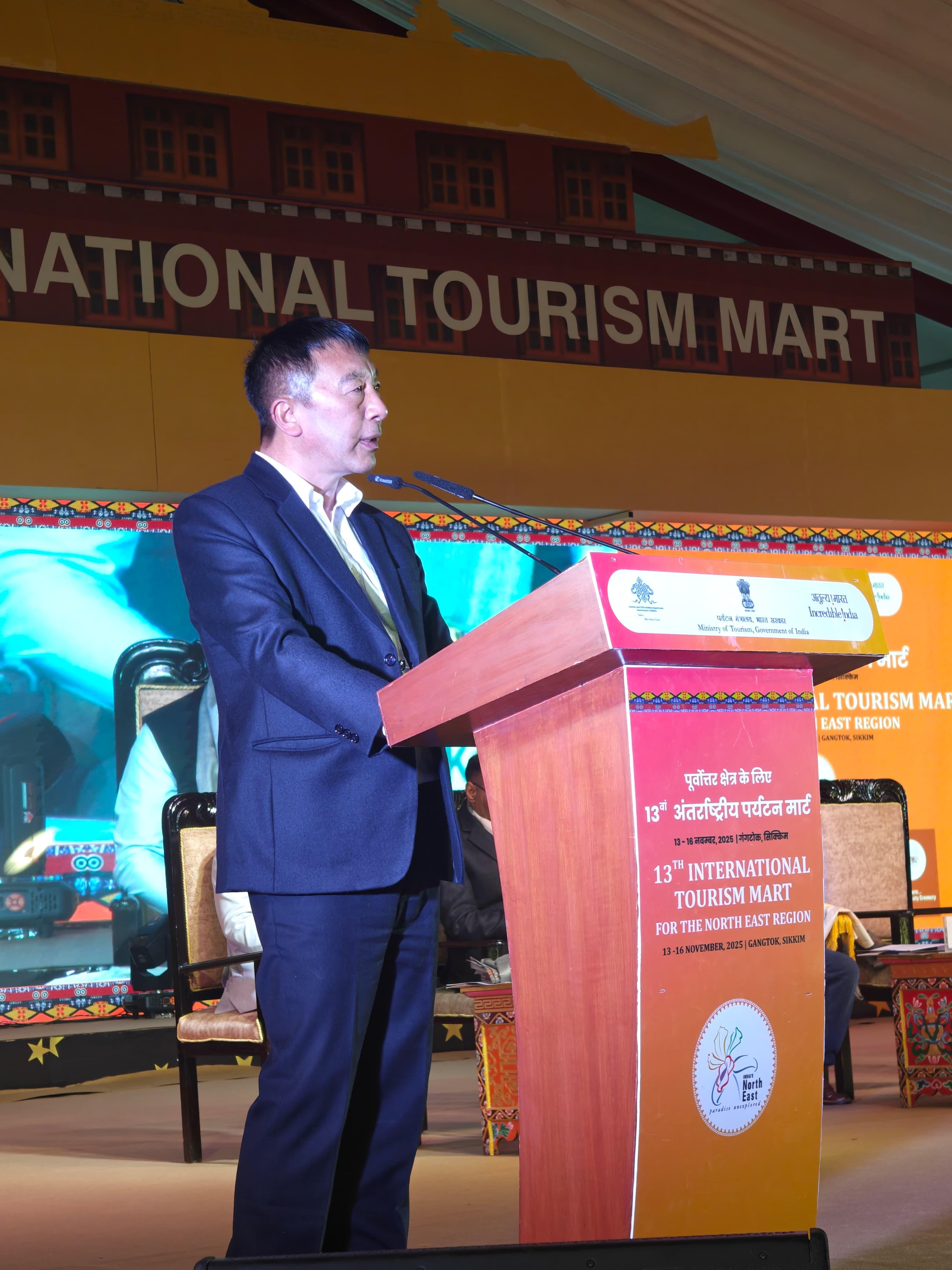
He detailed major tourism infrastructure projects completed under Swadesh Darshan 2.0, PRASHAD, including the Bhaleydhunga skywalk, the Singshore Bridge glass-deck skywalk, border experience zones, cultural villages, and wellness circuits. Bhutia also revealed the state’s expansion into MICE tourism, wellness tourism, eco-tourism, adventure tourism and wedding destinations, with the emphasis on “conscious and controlled” development.
A strong plea was made for central support in improving the Northeast’s connectivity challenges. He reiterated that reliable connectivity is critical to unlocking Sikkim’s full tourism potential and the government is in touch with the related authorities to expedite ease of operations for Pakyong Airport.
Bhutia also briefed on the upcoming connectivity boosters including the Sivok–Rangpo railway line and a 26-seater helicopter service from Bagdogra to Gangtok. Other than this, Gangtok Cultural Village, a state-of-the-art ropeway at Yuksom and Pelling and opening of new high-altitude border destinations such as Doka La and Cho-La to promote battlefield tourism are also in the pipeline.
Additionally, C.S. Rao (IFS), Sikkim’s Addtl. Chief Secretary of Tourism & Civil Aviation also shared the tourism figures recorded for the state: Up to October 2025, 1218372 domestic tourists visited Sikkim, while the foreign tourist arrival figure up to Sep 2025 showed 46,591. By last year end, the tourist numbers stood at: Domestic (1540421) and Foreign (84820).
19 countries and domestic buyers from 25 states converge at Sikkim’s ITM
Setting the tone for the event, Secretary Tourism, V Vidyavathi emphasised the rapid progress made in the Northeast over the past decade under central leadership. “The Government of India has played the role of a catalyst, and the numbers speak for themselves: new roads, new airports under UDAN, and numerous tourism projects sanctioned. We understand this is just the beginning, and a lot more remains to be done.”
She highlighted that ITM 2025 has recorded the highest-ever participation, with 39 international travel stakeholders from 19 countries, marking a significant rise in global interest. The countries include Australia, New Zealand, Spain, Germany, Italy, France, Belgium, South Korea, Singapore, Malaysia, Thailand, Israel, the United Arab Emirates, Mexico, and others. In addition, approximately 90 domestic tour operators from 22 states and Union Territories across India have converged in Gangtok to interact with tour operators and service providers from all Northeastern States.
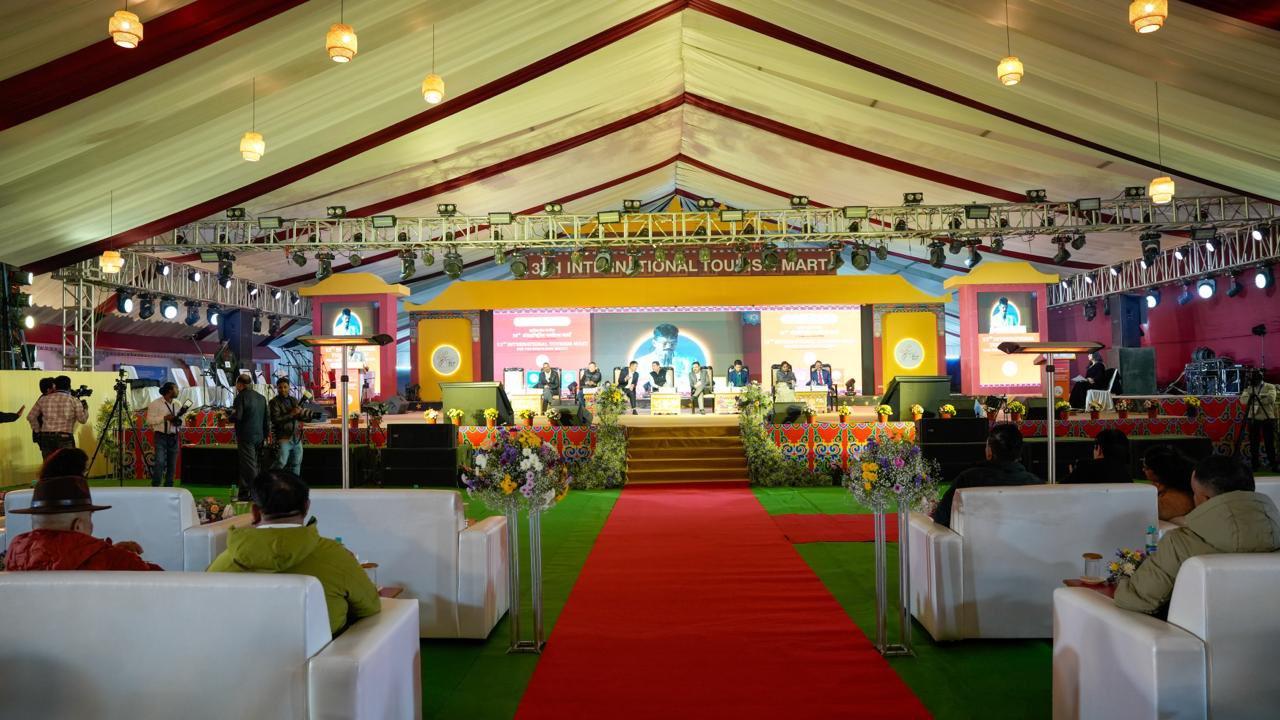
Calling ITM a model for regional tourism events, she said the sessions this year focus on core regional issues such as Northeast tourism hub development, policy support for homestays, and promotional strategies for the region.
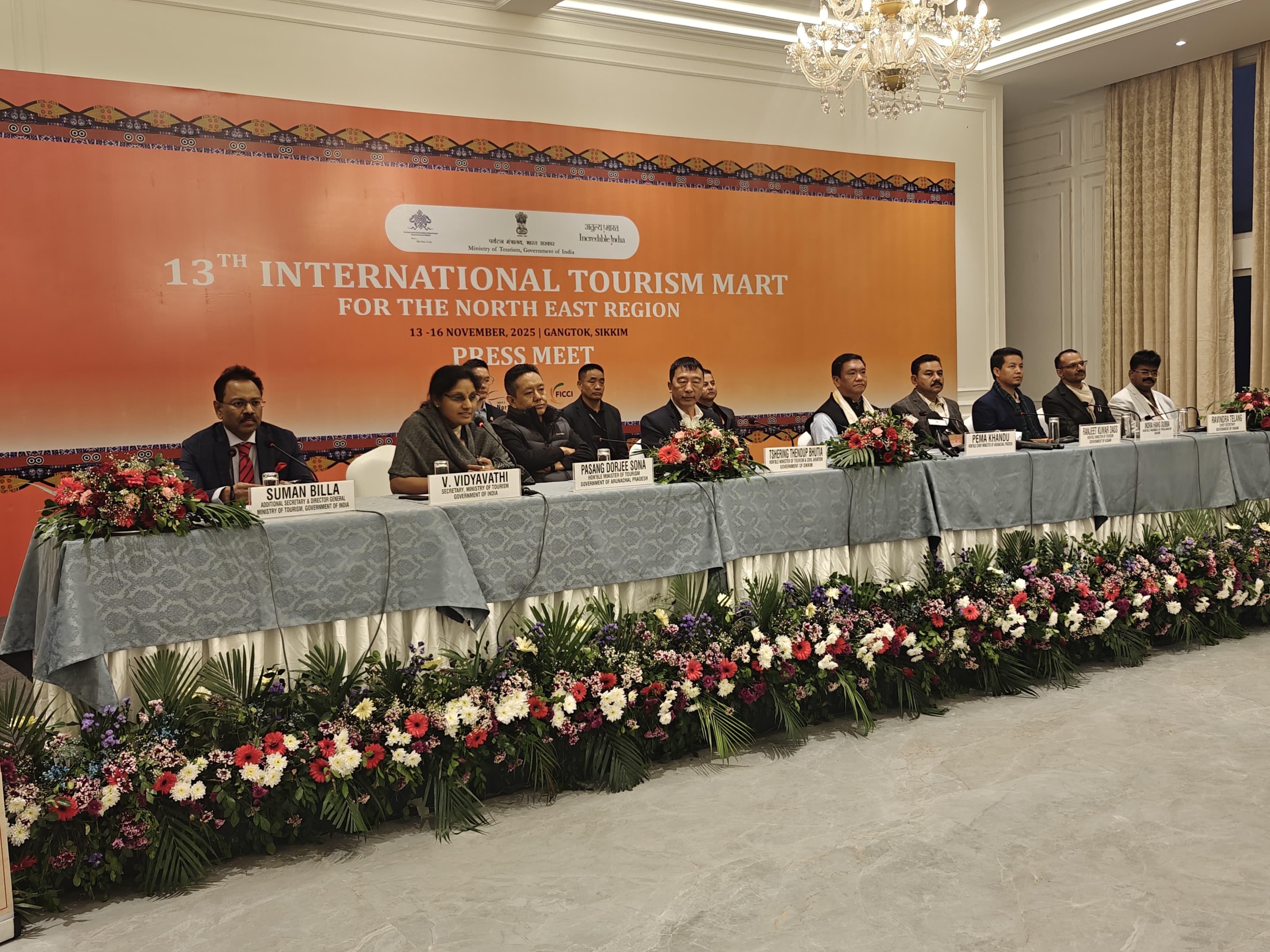
The inaugural session was also chaired by the tourism ministers of Assam, Arunachal Pradesh and the NE state chief secretaries.
The Mart concludes today with a series of sessions, state showcases, product presentations by industry stakeholders (including Far Horizon’s Sanjay Basu & ATOAI President, Ajeet Bajaj), B2B meetings and cultural programme thereafter.
Besides, there are parallel technical visits to nearby attractions and for homestay experiences. A day before, the delegates have explored the Rumtek Monastery, Do Drul Chorten, and Namgyal Institute of Tibetology.
A special shoutout to Team Norbu Ghang Pangthang and the owner, Dekye Lhamu for hosting the media during their stay. The experience was worth the mention, thanks to the warm hospitality of the staff, breathtaking panoramic views of Khangchendzonga, unmatched & thoughtful interiors, soul soothing food and tranquillity of the surroundings.