Between Momentum & Maturity: India’s hospitality growth story at a mid-year mark. What’s next?
 Representative Image
Is India’s hospitality sector truly stepping into its golden decade—or is it racing ahead on uneven ground? At the mid-year mark of 2025, the data tells a story of exuberance: soaring occupancies, investors doubling down on midscale bets, price maturity across brands, average room rates climbing past historic highs, and a market poised to hit USD 281.8 billion. But beneath the optimism, caution lights flicker. Growth is visible and so are the cracks—buffeted by airspace disruptions, geopolitical tremors, deepening talent shortages, unsustainable land economics and other supply side issues. As hotel chains push into India’s Tier II and III hubs, infrastructure and workforce preparedness are scrambling to keep pace too. In this T3 report , we decode the forces that are beginning to reshape India’s hospitality arc in 2025—and what it will take to turn this promising moment into a movement. As we speak to the top voices of the industry, one thing comes out clear- the momentum ahead will not just be about riding the wave but about proving we can swim.
India’s hospitality sector entered 2025 with bullish strides. While the sector is poised to reach a market size of USD 281.8 billion by 2025, driven by a 13.96% CAGR, high occupancy levels are already nearing 74% projecting an annual growth of 10–12%, and even the rising room rates have already set the tone for the next half of the year. The momentum, for the H1, was fuelled by the consistently rising domestic demand, soaring room rates, and an electrifying calendar of weddings, spiritual events, international concerts, and sporting spectacles. From Coldplay & Diljit concerts to the Maha Kumbh, Indian cities turned into high-occupancy zones, reaffirming the sector’s role as a barometer of consumer confidence and economic buoyancy. The opening quarter thrived on demand from both metros and Tier II/III cities, powered by rising disposable incomes and deepening air and road connectivity.
What’s more, new hotel construction is booming, with 40,000 rooms signed annually across 2022 and 2023. On the more positive front, JLL acknowledges that the investment interest is solid as India’s hotel sector has delivered strong returns to promoters and investors. On the ARRs front, HVS has projected the current growth to surpass INR 9,000 in FY2026 and national occupancy to touch 68%. By FY2027, occupancy will also reach the 70% threshold, with ARRs inching closer to the INR 10,000 mark.
But beneath the surface of robust RevPARs, massive projections and packed hotels lies a more nuanced picture. While hotel operators have grown more disciplined with pricing and demand remains resilient, the second quarter has witnessed signs of softening— impacted by geopolitical tensions, aviation disruptions ahead of airspace closures, the unfortunate Air India plane crash incident, seasonal drags and the persisting supply related bottlenecks.
Yet, as demand continues to outpace supply, the sector is confronting a mix of legacy challenges—from talent shortages and regulatory delays to the urgent need for Tier II and III city infrastructure to catch up with rising investor interest. Yet, there are no signs of degrowth. In this T3 report that follows, we explain these opportunities and obstacles through the lens of sector leaders and subject experts, who outlined how India’s hospitality story took off in the first half of 2025, where it is headed, and what it must overcome to get there. While the hospitality boom is real, the experts suggest that sustaining it to a point where we become the 3rd largest tourism and hospitality economy, will require more than just optimism and numbers.
HOLDING FIRM IN H1 2025— WHAT NEXT?
Mandeep S. Lamba, President & CEO (South Asia), HVS ANAROCK shared how the Indian hospitality sector surged through the first half of 2025 on the back of robust domestic travel, packed event calendars, and sustained pricing power.
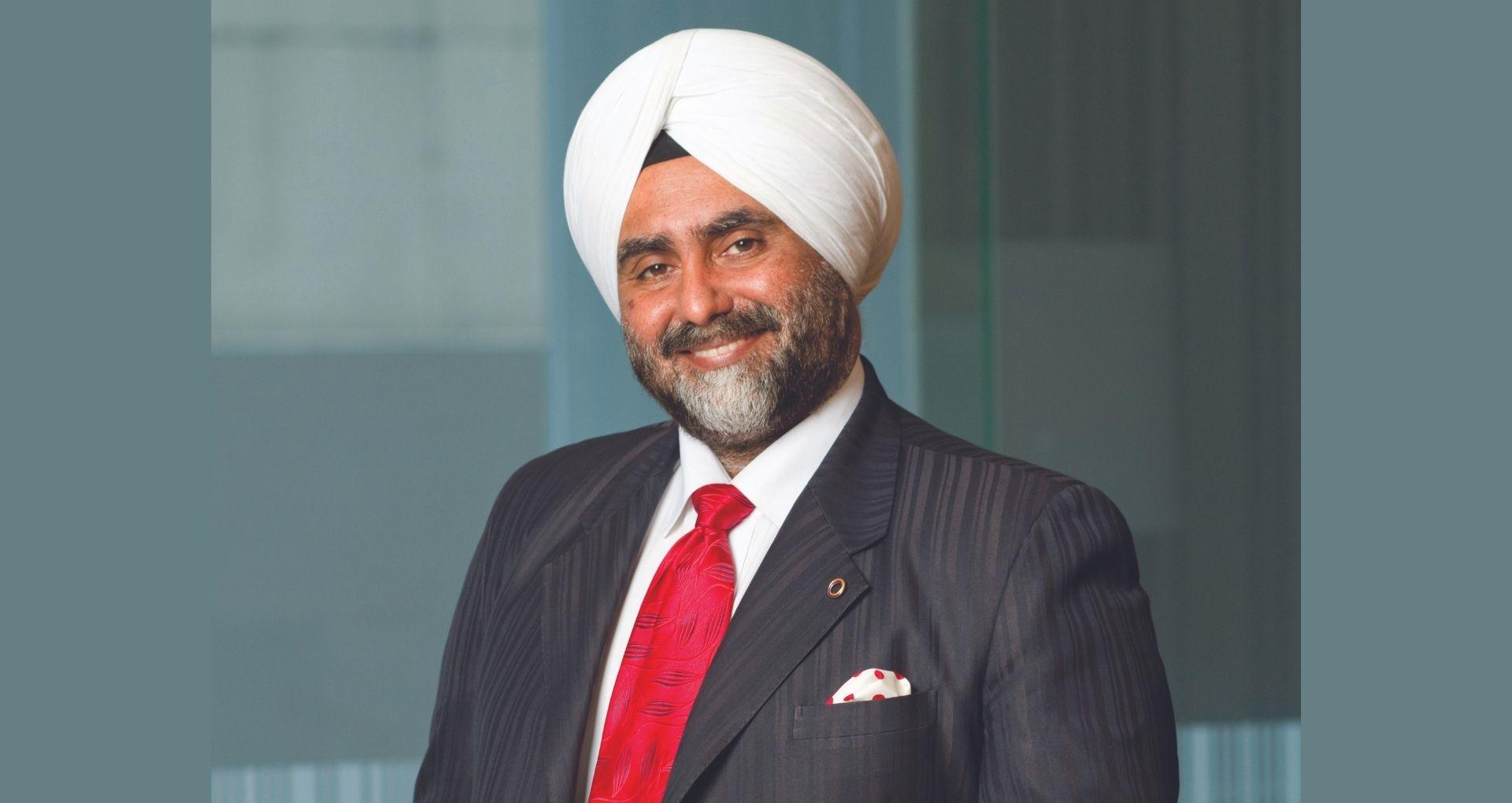
“Leisure travel remained a major growth engine, driven by weddings, long weekends, and a surge in spiritual and cultural tourism,” Lamba noted. Mega-events like the Maha Kumbh in Prayagraj, high-profile concerts featuring Coldplay and Dua Lipa and sporting spectacles such as the IPL drove occupancy and elevated short stay demand across cities. Additionally, MICE activity gained steam, supported by new convention infrastructure in cities like Delhi and Mumbai.
Despite temporary slowdowns in Q2 due to seasonal factors, geopolitical tensions, and recent Air India mishap, pricing discipline held firm. “Average room rates continue to remain strong. Hotel operators are no longer resorting to drastic price cuts in response to a dip in demand,” he said, reiterating future projections. While the ARRs are expected to exceed INR 9,000 in FY26 and occupancy to reach 68%, by FY27, HVS sees the levels further rising to 70% with ARRs approaching INR 10,000.
India’s hospitality sector is booming with major investments and IPO activity too. Companies like Brigade, Prestige, Lemon Tree, and Oyo are eyeing IPOs to cut debt and expand. The sector’s confidence is fueled by Schloss Bangalore’s INR 3,500 crore IPO—its biggest yet—alongside Juniper and Apeejay Surrendra Park Hotels raising INR 920 crore and INR 1,800 crore. At least three more IPOs are expected in FY26. Global hotel chains plan to add 100–300 properties in five years, focusing on Tier 2 and 3 cities. Experts say India will need 500,000 more hotel rooms by 2030 to meet rising travel demand.
As per Jaideep Dang, Managing Director- Hotels & Hospitality Business at JLL (leading facilitator of hotel asset transactions in India), the first half of 2025 was marked by strong investor interest, rising demand across city tiers, and sustained momentum in transactions. This buoyancy, he said, is underpinned by a stable macroeconomic environment and proactive government policies that are making hospitality a compelling bet for both developers and investors.
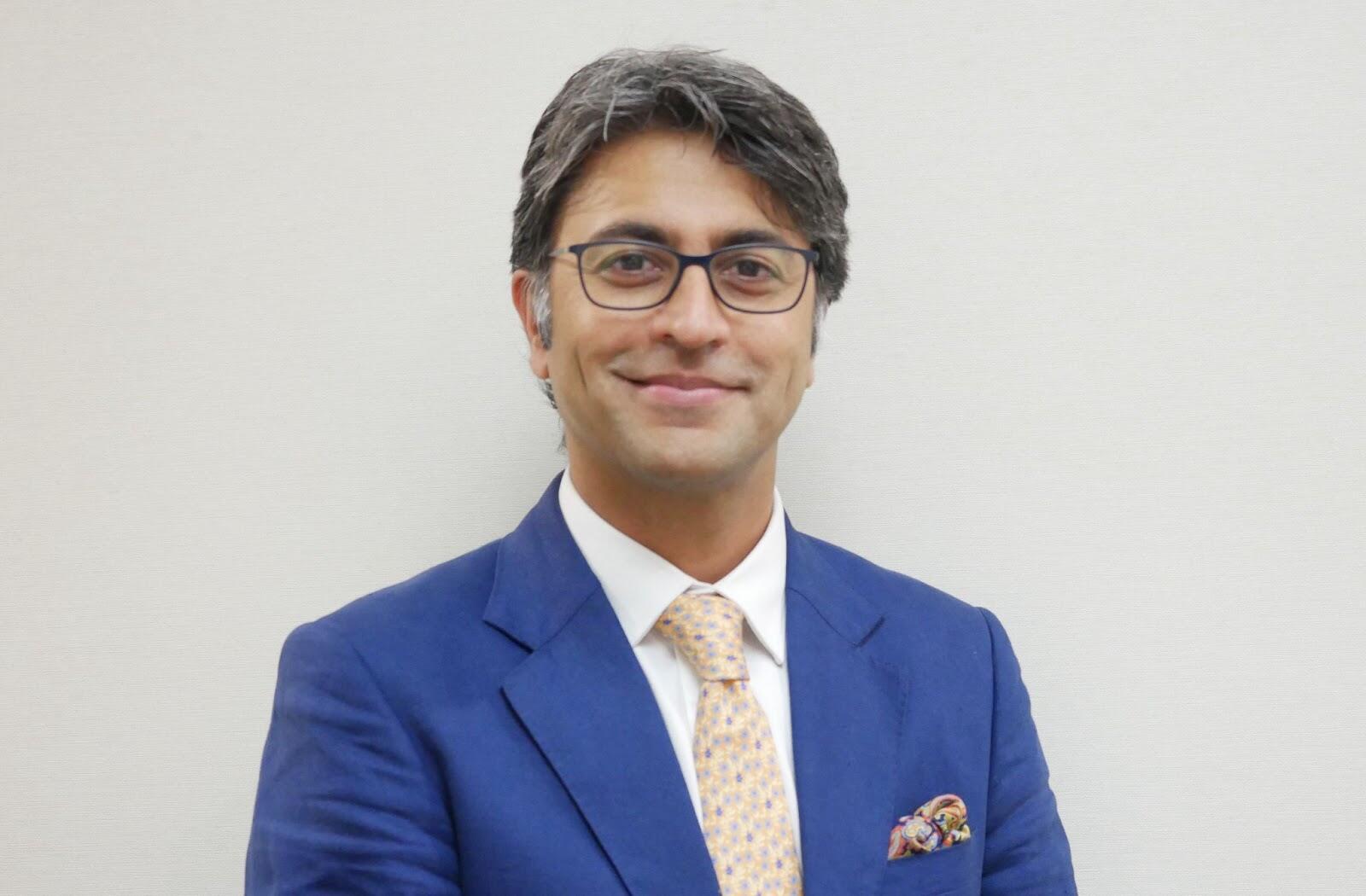
“Domestic demand remains strong in both business and leisure segments. What’s equally exciting is the increased traction in Tier 2 and 3 cities. These markets are no longer peripheral—they are central to hospitality’s growth story,” Dang added.
An emerging trend has been the strategic pivot of leading real estate developers, who are now integrating hotels into mixed-use developments alongside residential and office spaces. It’s a shift in mindset— hospitality is now being seen as a value multiplier, not just a standalone business, said Dang. Further, the JLL data, exclusively shared with T3, shows India recorded hotel transaction activity worth USD 340 million in 2024, and the first half of 2025 has already logged USD 167 million in completed deals.
JLL expects the total for 2025 to reach USD400 million, indicating sustained deal flow. “While the preference is to invest in operational hotels, we will witness deals for hospitality related land parcels in specific zones across airports, convention centres and tourism hubs,” added Dang. “Investment momentum has been sustained by PropCo institutions, HNIs, family offices, and private hotel owners who are actively acquiring and developing hotel properties. Improved profitability, rising RevPAR, and positive ROI sentiment are driving this activity.”
In terms of regional competition, India faces stiff challenges from Thailand, Vietnam, and Sri Lanka. These destinations continue to attract foreign investors with strong inbound tourism, favourable returns in foreign currency terms, and robust infrastructure; the reason why destinations like Goa are facing competition, Dang pointed out, adding that the compelling value proposition with affordable flights, visa-free entry options, and superior tourism infrastructure is drawing demand away.
Yet, India holds its ground. Nearly 50% of hotel transactions in 2024 occurred in Tier II and III cities, showing wider geographical dispersion compared to Southeast Asia, where activity is typically metro-centric. Moreover, India’s hotel sector has delivered strong returns to promoters and investors—including private equity and institutional players—largely through IPO opportunities in recent years.
As also observed by industry veteran KB Kachru, Chairman Emeritus and Principal Advisor, South Asia, Radisson Hotel Group, India’s hospitality sector is no longer riding a temporary high—it’s undergoing a lasting transformation. This structural shift, he said, is being powered by rising domestic mobility, expanding infrastructure, and a consumption surge from emerging tiers like II, III, and IV markets. Radisson’s strategy reflects this shift, as it accelerates growth in cities like Prayagraj, Puri, and Ranchi, while consolidating its metro presence. With 130 operational hotels and 77 more in the pipeline, the Group is focusing on adaptive reuse and conversions to reduce gestation time and promote sustainable expansion including green certifications, building region-specific offerings, and building equitable partnerships with local stakeholders, as per Kachru.
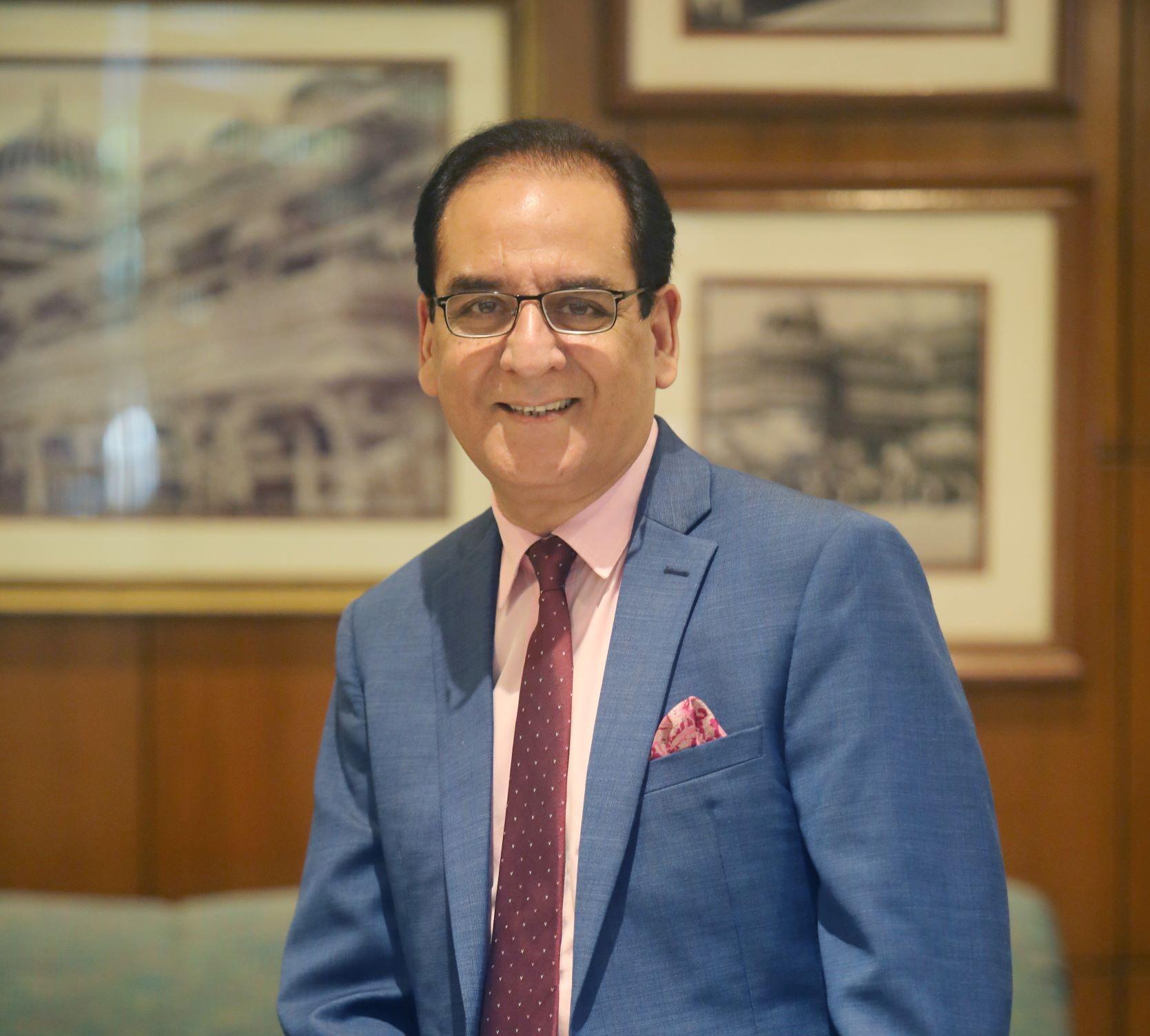
India’s resilience also stands out in the broader APAC region due to its diversified and steady demand base, spanning spiritual travel, weddings, business trips, and MICE. “What sets India apart is its ability to generate consistent demand across these segments,” noted Kachru, adding that Radisson’s 51 hotel signings in the last 14 months and continued investments in staffing and training, is a way towards building a future-ready hospitality ecosystem.
Looking ahead for the rest of the year, Kachru hopes to see accelerated interest in localised travel, value-driven experiences, and MICE events, all of which align with Radisson’s multi-brand, flexible growth approach. As for market trends, he foresees a gradual slowdown in saturated metro hospitality development, while spiritual, wellness, and heritage tourism will accelerate. Similarly, hybrid travel, eco-conscious stays, and experiential hospitality are likely to define the next decade.
“The outlook remains optimistic and we are confident that the sector will not only sustain its momentum but continue to unlock new growth frontiers across the country,” he said.
Ajay K. Bakaya, Chairman, Sarovar Hotels & Director, Louvre Hotels India shared that the first half of 2025 saw a subdued performance compared to initial expectations. “While the year began on a strong note, April’s growth was lower than anticipated, and May and June witnessed a significant dip, pulling performance below projections by 4–5%.” Nevertheless, Sarovar remains ahead of last year’s numbers.
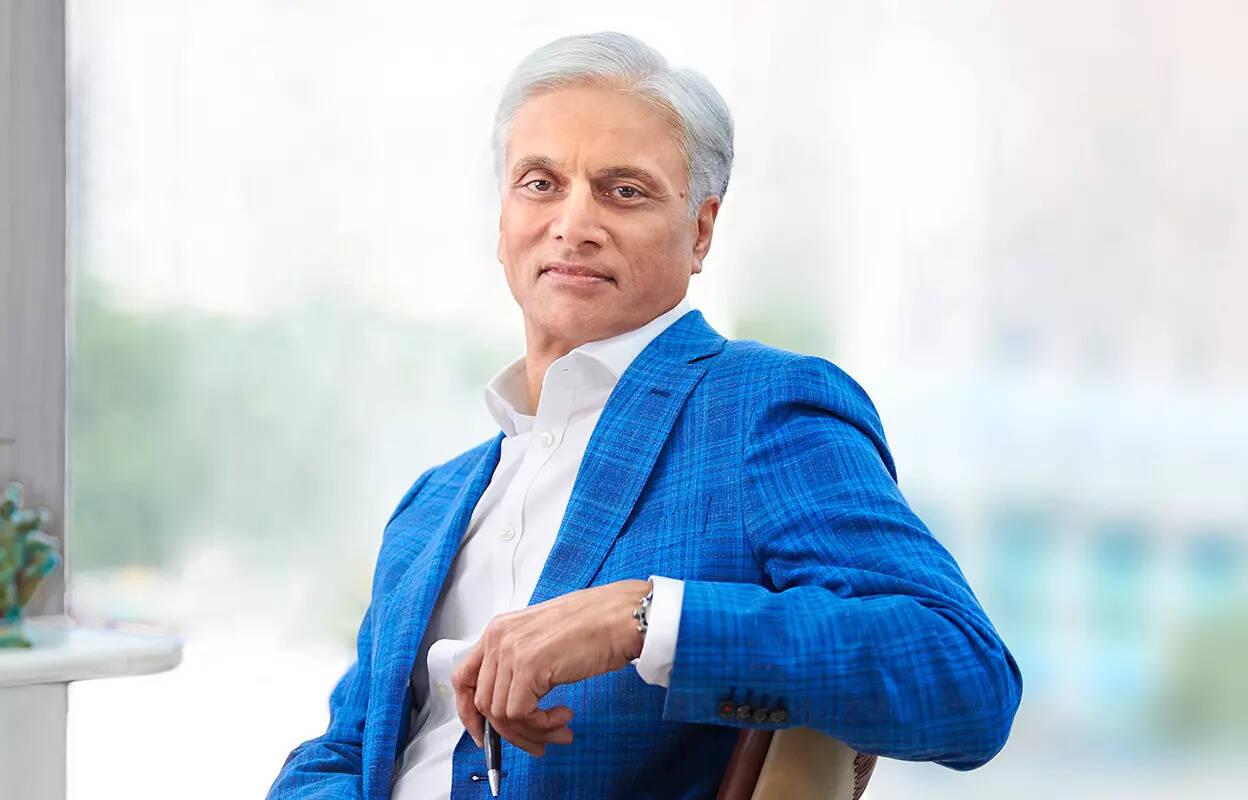
“In 2025, we’re likely to see growth closer to 9–10% when compared to same-store performance from last year,” he said, adding that while the momentum is positive, external factors have introduced volatility. Geopolitical tensions and recent unrest in Kashmir have significantly impacted tourism in northern India. “Kashmir is still suffering, as are parts of Punjab, Himachal, and Uttarakhand,” Bakaya told T3. However, he expressed hope that the upcoming Amarnath Yatra could mark a turning point for the region, potentially reviving travel from October onward.
Despite these challenges, he pointed to silver linings. With outbound travel to destinations like Turkey and Central Asia declining due to global instability, domestic tourism could see a boost while the industry may remain cautiously optimistic, he asserted.
“The investor sentiment is also growing stronger, and there’s a better understanding today that the hospitality sector is not a quick ROI business, but one of long-term asset creation,” added Bakaya, saying that as an investment destination, India offers a stable political environment, long-term policy consistency, and massive infrastructure development. Additionally, the English-speaking population and steady economic growth enhance investor confidence. These factors collectively differentiate India from other APAC destinations and will continue to drive demand in 2025. However, he cautions, the rising land costs challenge the viability of many projects, demanding careful financial planning and realistic expectations.
Another industry stalwart, Author & Strategic Advisor, Rattan Keswani noted that while there is visible traction in hotel signings, particularly in Tier II and III cities, the inventory size in these areas is typically smaller than in metros, affecting overall numbers. “Announcements are for free,” he quips, underlining the gap between hotel signings and actual openings, where supply growth still lags behind surging demand. While inventory release had briefly touched 7.5–8% in past cycles, current supply is growing at around 6–7%, against a more robust demand increase of 10.5–11%, as per Keswani. This imbalance continues to keep rates buoyant despite occupancy fluctuations.
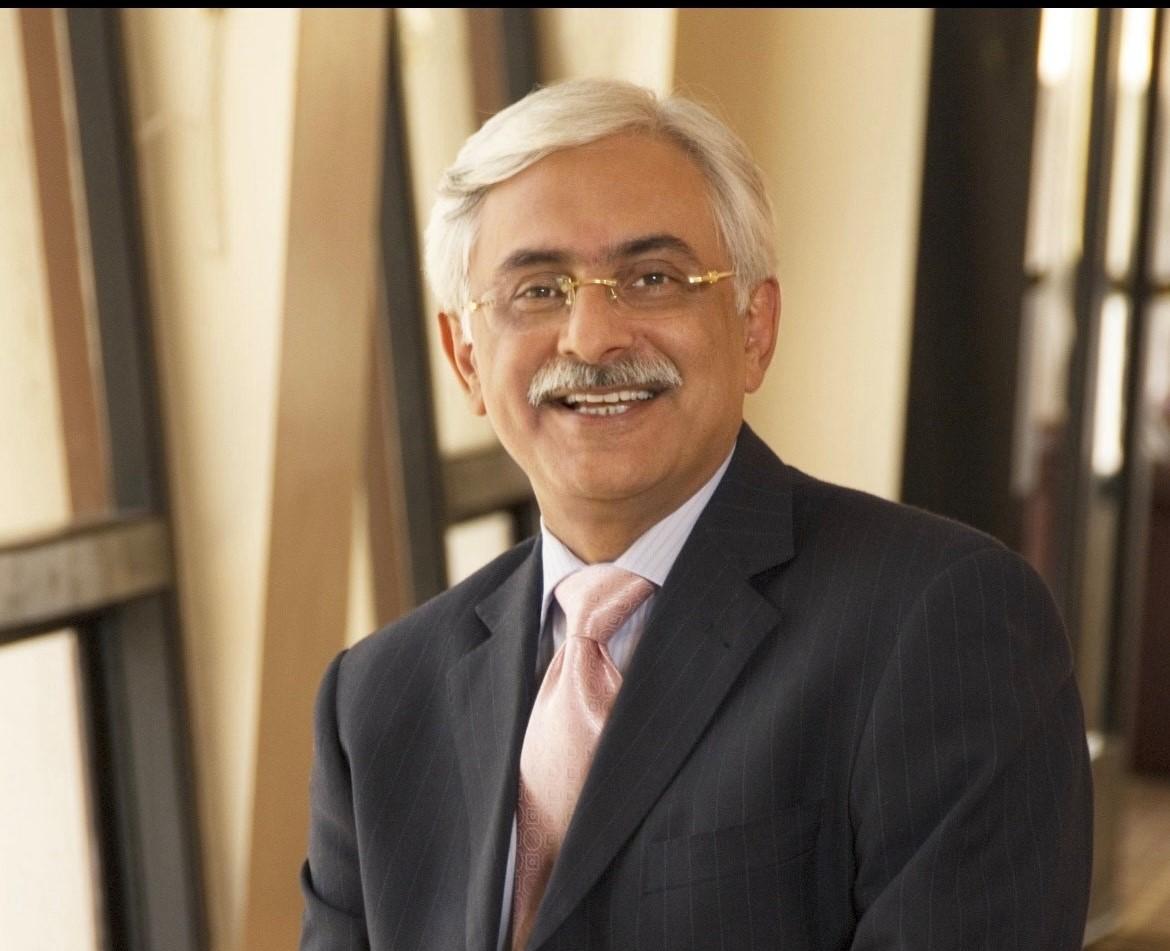
On the question of deeper growth, he highlights the need for nuanced strategies in Tier II/III cities, noting that local travel behaviour and spend vary widely. “The shift in traveller behaviour is also evident: revenge tourism is slowing, outbound traffic is rising due to inflated domestic rates, and pilgrimage destinations like Ayodhya are attracting a different kind of traveller, often unsuitable for premium hotel models.” Despite these headwinds, Keswani commends the industry for resisting the knee-jerk rate cuts of the past and advises players to focus on “same-store” performance. “Growth needs to be inclusive but context-specific. A cookie-cutter approach won’t work in Tier II and III,” he added.
Keswani also highlighted a shift among legacy timeshare players, who are moving toward full-scale hotel operations, making previously inaccessible inventory available for general booking—thus changing the revenue model without distorting headline inventory figures. He also notes the emergence of new-age hotel brands like JüSTa, Alivaa Hotels, a startup chain by Vikram Jit Singh, and other boutique operators who are tapping into niche and untapped markets. “These brands are filling white spaces in the Indian hospitality map with more agile, responsive strategies tailored to regional demand pockets.”
According to FHRAI President K Syama Raju, while branded hotel chains in metros and Tier-1 cities are thriving, independent and small-town hotels continue to struggle with funding constraints, weak infrastructure, and slow digital adoption. “Only when local players can thrive alongside the industry giants will we see a truly fair and sustainable hospitality boom across the country,” he noted, stressing the need for inclusive policies, easier financing, and capacity-building initiatives.
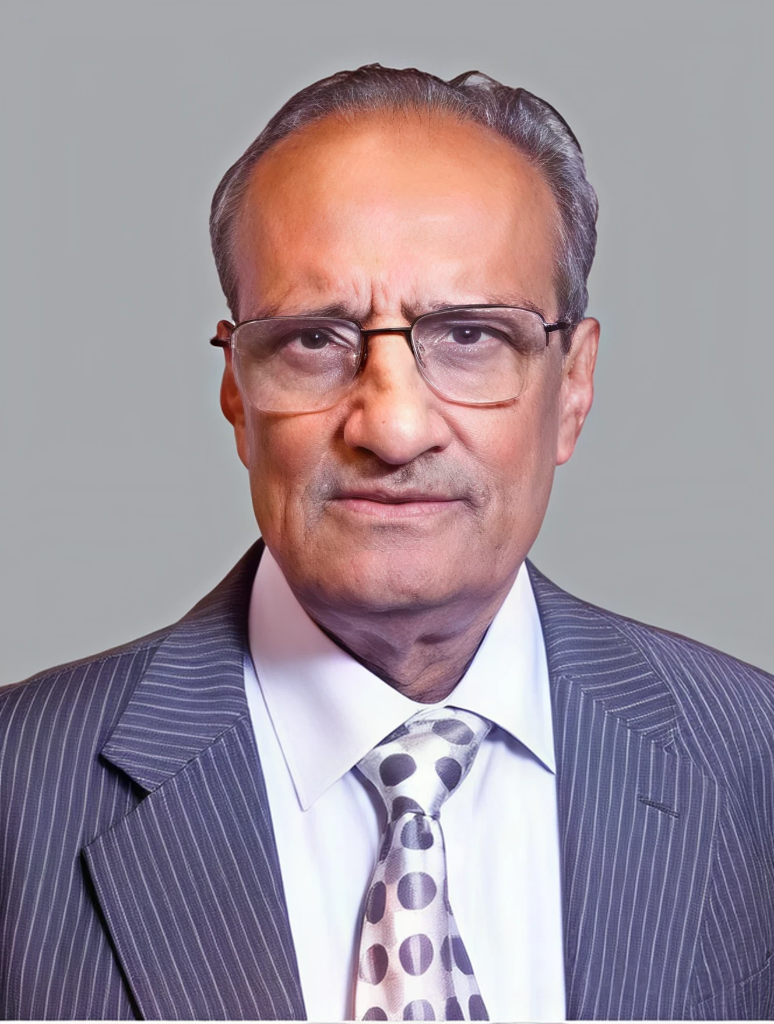
Talking of India’s edge over other APAC markets, Raju believes that it lies in its robust domestic demand, a growing appetite for wellness and spiritual tourism, improved regional air connectivity, and the government’s push through marquee events like the G20 and IPL. Unlike many Asian markets still reliant on international footfall, India’s travel sector is being fuelled from within. Workations and a rising middle class seeking new experiences have further cemented India’s position as a resilient and self-driven tourism powerhouse, he said.
Building on Kachru’s perspective, Jyoti Mayal, President of Tourism and Hospitality Skill Council (THSC), emphasised that the strong momentum in India’s hospitality sector during the first half of the year reflects a structural transformation rather than a cyclical upswing. Fuelled by rising disposable incomes, digitalisation, and proactive government policies, the sector’s long-term growth hinges on building a skilled, future-ready workforce, she said.

“To ensure inclusive and sustainable growth, the industry must prioritise comprehensive skilling and upskilling programs that cater to the diverse needs of its workforce, with a special focus on Tier 2 and 3 cities, where opportunities for growth and development are immense,” she added and also advocated for vocational training, inclusive hiring, and industry-academia collaboration, aligned with emerging trends like wellness, experiential travel, and tech-driven services.
On the technology front, the sector’s growth is being powered by a blend of structural transformation and behavioural shifts, as per Yogeesh Chandra, Chief Strategy Officer at RateGain. He attributes the momentum to a digitally savvy middle class fuelling travel across leisure, spiritual, and wellness segments, alongside the rapid rise of Tier 2 and 3 cities boosted by infrastructure and connectivity improvements. Unlike many APAC counterparts still dependent on international tourists, India stands out for its robust domestic demand, thriving MICE business, and maturing traveller expectations. “Hotels are also becoming more agile, adopting smarter tech, focusing on yield, and personalising experiences at scale,” he added.
In the first half of 2025, several consumer behaviour trends are reshaping hotel strategies, according to RateGain. Direct bookings are holding strong or improving across markets, prompting hotels to enhance their mobile booking engines, invest in metasearch, and offer direct-only perks like dining credits and room selection. Mobile-first behaviour dominates, with last-minute bookings increasingly happening via apps that offer wallet integration and exclusive deals. Channel performance remains region-specific—while OTAs are gaining ground in Asia-Pacific, North America shows a rise in deal-hunting and shorter booking windows. Loyalty is also emerging as a critical driver, with hotels reimagining programs through tierless models and cross-brand alliances to strengthen guest retention and direct revenue, shared Chandra.

WEDDING & WELLNESS SEGMENT PERFORMANCE
Simultaneously, as the global demand for purpose-driven wellness travel is growing, India is also witnessing a strong resurgence as a leading medical and wellness tourism destination. According to the Ministry of Tourism data, India’s medical tourism market is projected to reach USD 13 billion by 2026, while the wellness sector is expected to surpass USD 70 billion by 2025. Kairali Ayurvedic Group is tapping into this momentum by positioning itself at the intersection of tradition and modern healthcare. Abhilash R Kalathil, Executive Director, Kairali Ayurvedic Group added that with wellness travellers increasingly seeking balance, rejuvenation, and preventive care, the group is expanding its footprint with integrative destinations that preserve cultural integrity while meeting global standards.
He added that despite geopolitical tensions, wellness travel remains resilient. “Uncertainty has only increased the appetite for destinations that offer preventive wellness, cultural authenticity, and inner balance,” he explains. India, with its Ayurvedic legacy, continues to be a beacon for such seekers.

Wedding is another segment which is taking a larger piece of the cake when it comes to revenues in India, a country fast outpacing other Asia-Pacific markets as a premier wedding destination. The segment is projected to touch USD 25.70 billion by 2033, growing at a robust CAGR of 22.10% from 2025. According to Col. Manbeer Choudhary, CMD of Noormahal Group, the country’s unique blend of cultural richness, scenic diversity, and luxurious hospitality offerings is redefining destination weddings. The surge in social media influence and curated travel content is amplifying India’s global appeal, while the government’s “Wed in India” initiative is further accelerating demand. He noted a growing trend among modern couples opting for intimate, immersive celebrations in opulent settings— an evolution Noormahal Group is actively aligning with by positioning its properties as experiential wedding venues.
He further shared that despite a tempered start to FY26, India’s hospitality and wedding industries remain optimistic about double-digit growth for the year, buoyed by rising disposable incomes, improved infrastructure, and sustained government support. Col. acknowledges potential challenges ahead, stating, “Geopolitical headwinds could have an impact on the wedding industry boom, particularly in the destination wedding market. Travel restrictions and related policies may temporarily dampen the vibrancy of destination weddings.” However, he sees a silver lining in the domestic shift, adding that such disruptions “could also boost local tourism and initiatives like ‘Wed in India,’ ultimately benefiting the domestic wedding industry.”
SMALL CITIES, BIG WINS
The experts unanimously agreed that India’s hospitality map is rapidly being redrawn, and it’s no longer just the metros that dominate the growth narrative. Tier II and III cities are emerging as the real growth frontiers, powered by infrastructure upgrades, private investments, and a rising appetite for travel in smaller towns.

RateGain’s World on Holiday data shows that while metro cities like Mumbai, Bengaluru, and Chennai maintained steady demand, the real momentum came from Tier 2 destinations. Ahmedabad led the pack with a staggering 8,300% spike in bookings in Q1, driven by improved air connectivity and aggressive state-led tourism promotion. Other cities such as Amritsar, Varanasi, Mahabaleshwar, Belagavi, and Udaipur also saw bookings more than double, signaling a decisive shift towards cultural, spiritual, and leisure-driven domestic travel beyond traditional urban hubs.
Adding in the HVS report insights, Lamba shared that approximately 81% of hotel brand signings in 2024 were in Tier II, III, and IV cities—a clear strategic shift, he said. Cities like Ayodhya, Varanasi, Tirupati, Kevadia, and Gangtok are currently witnessing a surge in hotel supply, driven by spiritual tourism, better air connectivity, and local economic growth. With over 68% of India’s Tier II+ population expected to enter the middle-income bracket by 2028, this demographic shift is creating a deep and sustainable hospitality market, shared Lamba.
Dang backs this up with hard numbers: “In Q1 2025, about 64% of new hotel openings and 78% of new hotel signings were in Tier II & III cities.” He also pointed to high-potential destinations such as Varanasi, Visakhapatnam, and Dwarka Delhi (home to the Yashobhoomi Convention Centre), which are attracting investor attention due to a blend of religious tourism and business infrastructure.
Hotel groups are already adapting their strategies. To this, Kachru adds, “Our regional diversification strategy focuses on Tier II and III cities, with targeted expansion in destinations like Ayodhya, Varanasi, Vrindavan, and Deoghar, allowing us to tap into steady, year-round demand.”
Bakaya highlighted that there’s rising demand for better hospitality infrastructure and services in smaller cities. For Sarovar’s network, the demand trends in Tier 2, 3, and even Tier 4 cities are evolving along similar lines as the metros. “While cities like Mumbai, Delhi, and Bengaluru continue to perform well, we’re seeing a growing appetite for quality infrastructure—be it hotels, banking, or overall amenities, in smaller towns. There’s a noticeable rise in investments and a stronger push for better hospitality offerings in these markets, suggesting greater flexibility and potential for future growth in these regions.”
Col. acknowledged the wedding demand growth in Tier II and III cities, surpassing some metro markets due to the increasing affluence towards royal, intimate, and immersive celebrations. “India’s Tier II and III cities have rich cultural heritage and unique historical sites that align with the demand for authenticity and opulence. As a result, these smaller markets are not only thriving but also innovating the wedding experience, potentially reshaping the industry landscape for couples both nationally and internationally.”
But this growth isn’t without caution. Keswani, warned against reading too much into footfall alone. “Ayodhya’s boom is mostly driven by budget travel and guesthouses. Premium hotels may not be viable due to high land costs and low yields,” he explained. Yet, Keswani concedes that some smaller markets like Guwahati, Siliguri, and Sikkim have outperformed expectations, with five-star occupancies remaining strong due to better accessibility.
Tier II and III cities are also emerging as preferred wellness hubs due to their serene environments, lower pollution levels, and strong cultural resonance, said Kalathil, adding that Kairali’s Palakkad retreat, has seen a marked rise in wellness tourism. “Similarly, places like Rishikesh and Coimbatore are becoming wellness sanctuaries. Travellers are seeking deeper healing experiences beyond urban centres,” he added.
SHACKLED BY OLD, NEW BARRIERS
Despite its promising trajectory, India’s hospitality sector continues to grapple with a host of structural and strategic challenges that threaten to outpace its growth momentum. While demand fundamentals remain strong—fuelled by rising domestic travel, evolving guest expectations, and wellness tourism—industry veterans and experts warn that unless key blind spots are addressed, the sector risks falling short of its potential.
According to Keswani, the industry has hit a rough patch in 2025 compared to the previous two years. “Cloudbursts, air crashes, political tensions—all these impacted sentiments,” he said, pointing to a slowdown in high-volume events, geopolitical instability, and infrastructural constraints as factors dampening travel across key resort markets. He urges stakeholders to assess fiscal YTD data closely by August-end to gauge the real health of the sector.
Echoing this, Lamba, underlined a widening demand-supply imbalance. “Currently, demand is outpacing supply, with HVS ANAROCK research projecting a 10.4% CAGR in demand between FY24 and FY28, against a relatively lower supply CAGR of 8.5% over the same period. This imbalance is intensified by persistent development hurdles,” he noted. Lamba called for urgent reforms—liberal Floor Space Index (FSI) norms, faster approvals, and targeted financing mechanisms—to unlock more development, particularly in midscale and budget segments.
FHRAI’s Raju warned against a “one-size-fits-all” strategy as brands enter new markets. He advocated for tourism cluster development, single-window clearances, and infrastructure enhancements in remote areas. “Local identity and sustainability must be protected,” he said, underscoring the need for government-industry collaboration.
Further, Kachru believes India’s Tier-II and III cities hold the key to the sector’s next phase of growth. But he stresses the need to “build strong local talent pools” and embed sustainability in every phase of development. “From energy-efficient operations to culturally relevant offerings, brands must tailor themselves to India’s diverse travel motivations,” he added.
Col. Choudhary echoes this sentiment, highlighting how most brands fail to adapt to local preferences. “Guests now prefer stays that reflect regional culture and cuisine,” he explained, calling for more market research, deeper digital adoption, and a stronger push toward eco-friendly practice. Despite the digital wave, a large section of the industry still lacks readiness for full-scale tech transformation, particularly in leveraging AI for guest personalisation.
On the tech front, Chandra, noted a significant shift along the blind spots: “Hotel commercial teams are now powered by adaptive AI engines, using real-time signals—flight data, events, booking trends—to automate pricing and optimise channel performance.” Even mid-sized and independent hotels are joining the tech race. Yet, he cautions, data blind spots remain. Many operators still lack a unified view of cost-of-sale and guest lifetime value. “The future lies in net RevPAR, not just topline revenue,” he added.
Land cost is another biggest supply-side bottleneck, often accounting for up to 40–50% of total project cost, as per Bakaya. “Approval delays, absence of professional project management agencies, and lack of coordination among authorities further extend project timelines. Additionally, current loan repayment structures are not suited for a capital-intensive, long-gestation industry like hospitality.” Bakaya urged that granting infrastructure status to the sector is crucial for easing credit terms and improving viability.
Further, Dang painted a stark picture of India’s urban centers. “Congestion, poor livability, and rising costs make cities less attractive for tourism. Even peak inbound months now suffer due to deteriorating air quality,” he said, adding that destinations like Lakshadweep and Andaman remain under-leveraged due to geopolitical and administrative complexities.
He also pointed to rising land prices—driven by residential and office sector expansion—and a looming talent crunch. Further quoting the 2024 skill gap study by the Tourism and Hospitality Skill Council (THSC), Dang reiterated that the sector will need an additional 3 million skilled workers between 2025 to 2028.
A WAKE-UP CALL FOR HOSPITALITY’S TALENT CRISIS
A recent report shows that a deeper crisis is unfolding in hospitality pipeline,signalling a sharp decline in youth interest. While the sector is witnessing an 8.2% net increase in workforce, the current education pipeline is under pressure to keep pace without compromising quality warned Mayal. Highlighting a disconnect between academic output and industry needs, she stresses the urgency for reorienting curricula to align with functional and scalable demands. THSC is working closely with institutions and industry stakeholders to harmonise certifications, integrate work-based learning, and leverage national initiatives like Skill India and Apprenticeship programs. The focus, she asserts, must shift from quantity to quality—ensuring a globally competitive workforce that fuels economy.
As the hospitality landscape evolves, soft skills alone will no longer suffice for hospitality graduates, asserted Mayal. “Communication, adaptability, and leadership remain essential, but today’s graduates must also master AI tools, digital reservation systems, and sustainability practices to stay globally competitive,” she added. Besides encouraging cross-training, THSC is also now updating qualification frameworks to embed competencies like data-driven decision-making, conflict resolution, and eco-conscious operations—ensuring that talent is not just skilled, but future-proof.
“Workforce growth is definitely a good sign, but we still have a long way to go,” added Raju. He highlights the persistent lack of structured training in non-metro areas, where hotels often struggle to find well-trained staff, directly impacting guest experience. FHRAI is now partnering with both domestic and international platforms to drive grassroots training, and advocating for stronger industry-academia ties backed by financial incentives.
The situation is echoed by Lamba, who points to a worrying disconnect: “Talent development hasn’t kept up with demand.” Key operational areas like culinary, housekeeping, and front office are short-staffed, and newer disciplines—revenue management, digital marketing, guest analytics—are also suffering from talent gaps. A telling indicator: only 4,000 out of 12,000 seats in NCHM-governed hotel management courses were filled this year, a sharp decline from previous years of oversubscription, shared Lamba.
As per Kachru, there is an urgent need to attract, develop, and retain skilled talent, particularly in smaller markets, given that hospitality is one of the most labor-intensive, people-first sectors. “The industry’s ability to grow inclusively depends on strong grassroots training and leadership development that cultivates talent attuned to local nuances and global service standards.” He advocates a two-fold approach: first, a national strategy to align training with real-world needs; and second, rethinking the industry’s value proposition by offering clearer career paths, better pay, and work-life balance to make hospitality a profession of choice.
With hiring and retention now ranking as the top challenges in the HVS ANAROCK GM Survey 2025, the message is clear: unless the sector reinvents its approach to skilling and workforce growth, the booming demand may be stunted by a chronic talent shortfall.
LAG IN THE MICE MOMENTUM?
Followed by the successful showcase of almost 60 MICE venues during its G20 Presidency, India has undoubtedly laid the groundwork to emerge as a serious contender in the global MICE landscape, with state-of-the-art convention centres like Yashobhoomi, Bharat Mandapam, Jio World Centre, and JECC giving the country world-class infrastructure. However, industry leaders warn that infrastructure alone is not enough. Lamba pointed to gaps in connectivity—particularly lack of direct long-haul flights to Tier 2 cities—and the absence of a national MICE policy or city-level convention bureaus as critical roadblocks.
Keswani echoes this sentiment, adding that while hotel signings are growing, especially in the mid-market and leisure segments, India is missing a crucial post-G20 moment. “MICE bookings require a lead time of 4–6 years, and yet there is no global marketing push to sustain momentum or promote India’s venues,” he warned. He also raised concerns about lack of visibility around large event bookings and risks of newly built venues falling into neglect without sustained maintenance.
On the other hand, while hotel chains like Radisson are proactively investing in regional MICE-ready cities like Nagpur and Chandigarh, Kachru underlines the need for policy-level reform—particularly around tax simplification, transport integration, and skilled manpower. Bakaya adds a word of caution too saying that poor cleanliness, traffic, and civic issues in key metros remain barricades for global organisers. The consensus here? India has the venues and intent—but without systemic reforms, strategic promotion, and city-level preparedness, it may not yet be ready for the global MICE spotlight as yet.
WHERE IS THE MOST CAPITAL FLOWING?
As India’s hospitality sector gears up for 2025, the bulk of capital is visibly shifting towards mid-market and upper-midscale segments. The experts affirm that rising land costs and quicker ROI are pushing investors toward scalable, branded properties that offer quality experiences at accessible prices. Backed by a surge in middle-income households—expected to grow from 70 million in 2025 to 170 million by 2035, as reported by HVS—this segment is poised to dominate future development, particularly in Tier II and III cities.
Radisson’s recent signings in cities like Jamshedpur and Yelahanka further reinforce this narrative, while JLL data shows midscale and upscale segments leading in both new hotel openings and transaction volumes. “In 2024, the midscale segment dominated hotel openings followed by the upscale properties. This was the case in the transaction volumes asnwell where the upscale segment led the total value, closely followed by midscale properties,” explained Dang.
Further, with super-rich households expected to grow fivefold, the luxury segment will also gain momentum, fuelled by demand for high-end, experience-led stays, Lamba added.
Although luxury continues to attract selective capital in high-end markets like Srinagar and Hyderabad, and experiential verticals like wellness-led tourism are seeing strategic high-value investments—as seen with Kairali Ayurvedic Group, the segment remains niche. With wellness also entering the mid-market space, the convergence of affordability, authenticity, and aspiration is reshaping investor priorities across India’s evolving hospitality landscape.
Budget hotels, on the other hand, are becoming less viable unless backed by high-volume potential, as per Keswani and Bakaya. Simultaneously, there is a rise in resilience of premium ARRs and an appetite for exclusivity at mid-range prices.
THE RACE TO 2030: CAN STRUCTURAL GAPS BE FIXED IN TIME?
With India projecting a USD 410 billion travel and hospitality economy by 2030, driven by a rising middle class and doubling per capita income (World Travel & Tourism Council), the ambition to become the third-largest global tourism economy is bold—but far from guaranteed. Experts say the vision is promising, but without immediate structural reforms, India risks falling short despite strong demand and investor sentiment.
“The 2030 vision is just an announcement unless core issues are addressed,” cautions Keswani, pointing to the lack of infrastructure status for hospitality, poor safety and accessibility standards, and a fundamental social mindset that still lags behind global norms. Others echo the urgency. Lamba underlines that ease of doing business must be improved through unified national tourism policies, faster clearances, and destination marketing beyond fragmented state-level efforts. “A cohesive approach to destination marketing, MICE promotion, and public-private collaboration could unlock India’s true potential. With per capita income projected to double by 2035, the sector stands at the brink of transformation—if backed by decisive policy action now.”
Key reforms repeatedly cited include granting infrastructure and industry status to the hospitality sector, especially at the central level. “This would unlock access to long-tenure loans and catalyse large-scale hotel development,” says Bakaya. Supporting this, Kachru insists that improved air and rail connectivity to emerging destinations is vital to enable balanced regional tourism growth. Meanwhile, Col. Manbeer and FHRAI’s President Raju stress investment in world-class urban infrastructure, single-window clearance systems, and skill development to accelerate India’s MICE and tier-2 tourism economy.
Simultaneously, digital and sustainable transformation will define the sector’s future too. Mayal urges that “developing digital infrastructure and skills, and fostering sustainable, experiential tourism practices” must be prioritied. “India must invest in future-ready talent,” said Chandra adding that there must be a nationwide push toward hospitality digitisation and a need to equip professionals with data fluency, digital comfort, and strategic agility.
These shifts, he said, will ensure India’s hospitality sector is not only large but globally competitive, agile, and future-focused.