Cracking India’s regional hospitality code
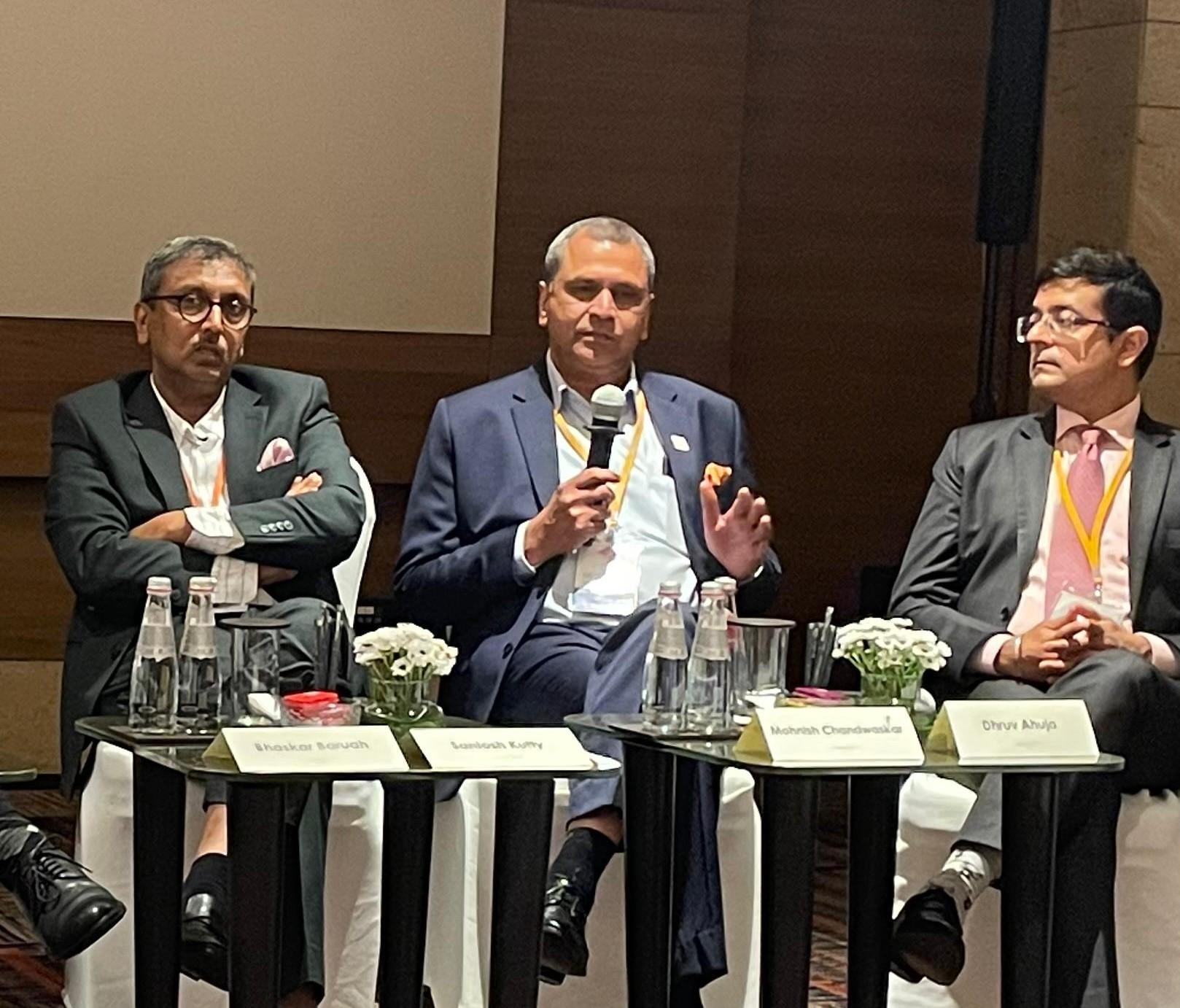
 HICSA 2026 Panel Image; Image Credits - Hotelivate
India’s hospitality sector is undergoing a decisive shift, where investment strategies are no longer driven by instinct alone but by a sharper mix of data, evolving traveller behaviour and long-term value creation, spreading across Tier-II and Tier-III cities. As demand diversifies across leisure and business segments, the hospitality industry and decision-makers are rethinking on how destinations are developed, how assets are positioned, and how experiences are curated. At HICSA 2026, industry leaders emphasised that navigating this complexity will define the next phase of growth.
The panel titled ‘From Insight to Investment: Cracking the Regional Code’, moderated by Anumeha Chaturvedi, Senior Assistant Editor, Economic Times, brought together leading voices across hospitality and real estate to decode how regional investment strategies are evolving in a volatile global environment.
Investing in new markets
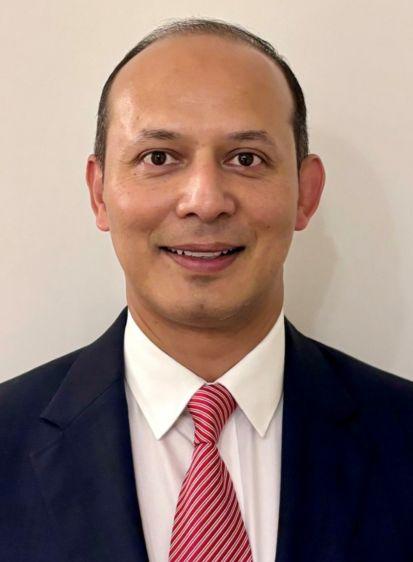
Bhaskar Baruah, Chief Development Officer, ITC Hotels Limited, reiterated the company’s long-standing “asset right” philosophy. “We’ve set up hotels in an organised manner over the last 30 - 40 years where we believe certain markets will grow in a trajectory over the next 5, 7 or 10 years,” he said.
PC-BW Hotelier
He noted that in recent years, ITC Hotels has begun working more closely with development partners while also gaining a deeper understanding of the business of managing hotels. With a strong footprint across India’s top 12 cities and destinations, Baruah pointed out that “chances are you will have at least four or five of our hotels operating there.”
Highlighting brand growth, he added, “Storii is the youngest hit in our portfolio, but it is going places we never thought we could grow into. Mementos is probably the most popular and most luxurious destination experience that we have been able to create.”
At the same time, he stressed the continued focus on building strong assets in key locations. “We go back to where it all started for us, which is the joy of building great assets in good hotels,” he said. Emerging destinations such as Vishakhapatnam are already on the radar, with new developments in the pipeline. Similarly, projects like Yashobhoomi in Delhi are being approached with a long-term perspective. “With ITC, 10 years is a regular time frame,” Baruah noted.
Reading consumer behaviour; creating circuits
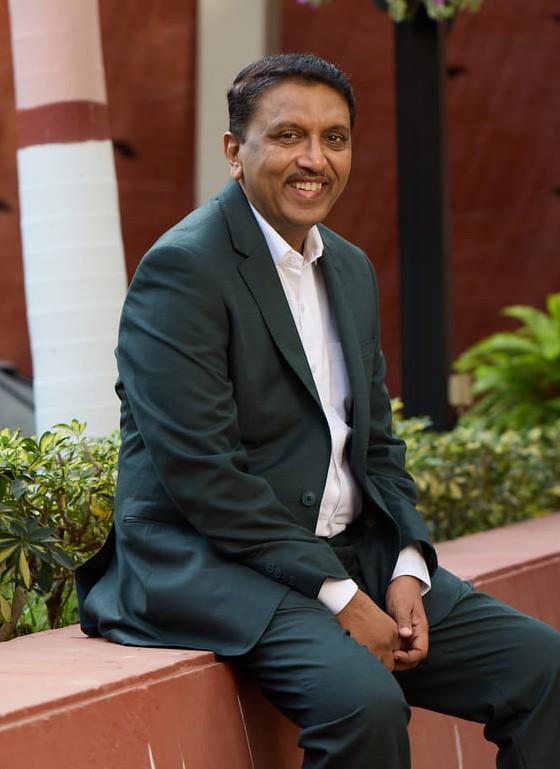
Santhosh Kutty, Chief Business Officer – Development, Mahindra Holidays & Resorts India Limited, outlined a layered approach to investment decisions, driven by both demand and strategic balance. With over 300,000 member families and around 60 resorts, the company benefits from deep insights into consumer behaviour, Kutty shared.
“We know where our members have travelled and where they are attempting to book. Member behaviour is a key data point for us,” he explained. Alongside this, the company tracks demand across 25 - 30 destinations where it offers inventory through partnerships, even if not directly managed.
Kutty emphasised the importance of combining internal data with external feasibility studies. “It’s not good to only have an inside-out perspective. We also need an outside-in view,” he said.
Beyond data, portfolio balance remains critical. He highlighted the company’s role in pioneering destinations such as Kumbhalgarh, which had no branded presence when Mahindra Holidays entered 15 years ago. “Today, it is full of brands,” he said. More recently, the company launched a resort in Amba Ghat.
“At an investment level, we look at established destinations where there is already demand. But our responsibility is not to do only established destinations. We need to develop destinations and circuits,” Kutty added, underlining the brand’s broader responsibility towards tourism development.
Rise of drive-to destinations; tailoring offerings
Mohnish Chandwaskar, EVP – Business Development, Sterling Holiday Resorts, brought to light the perception around demand in smaller markets. “I don’t think we are overestimating this demand, but we are probably misunderstanding it,” he said.
He explained that Tier II markets are no longer purely leisure driven. “There is a lot of business travel as well, so you have to balance weekday and weekend demand,” he noted. The expectations of these segments differ significantly.
“Business travellers need good connectivity, workspaces and shorter curated experiences of 45 - 60 minutes. Leisure travellers, on the other hand, have more time and are looking for longer experiences,” Chandwaskar explained.
He stressed that success lies in tailoring offerings accordingly. “Understanding who is travelling and what they are travelling for is extremely important. Only then can you meet both needs.”
He also highlighted how changing travel patterns are influencing investment strategies. “Drive-to destinations within three to four hours are doing extremely well,” he said.
Echoing what Kutty shared, he added that there is a growing preference for circuit-based travel. “Standalone destinations will work, but circuits offer a more immersive experience and increase the length of stay,” he explained.
According to Chandwaskar, while standalone destinations may generate stays of 1.5 to 2 days, circuit-based itineraries can extend this to 7 - 10 days. “Guests are looking for flexibility and end-to-end solutions. That is where Sterling steps in and take care of everything,” he said.
Embedding hospitality DNA in mixed-use developments
Dhruv Ahuja, Director, RMZ Real Estate Investments, spoke about embedding hospitality into mixed-use developments. Citing concepts such as The Bay at EcoWorld in Bengaluru and The Loft in Hyderabad, he said these initiatives reflect a long-standing focus on guest experience, culture and curated environments.
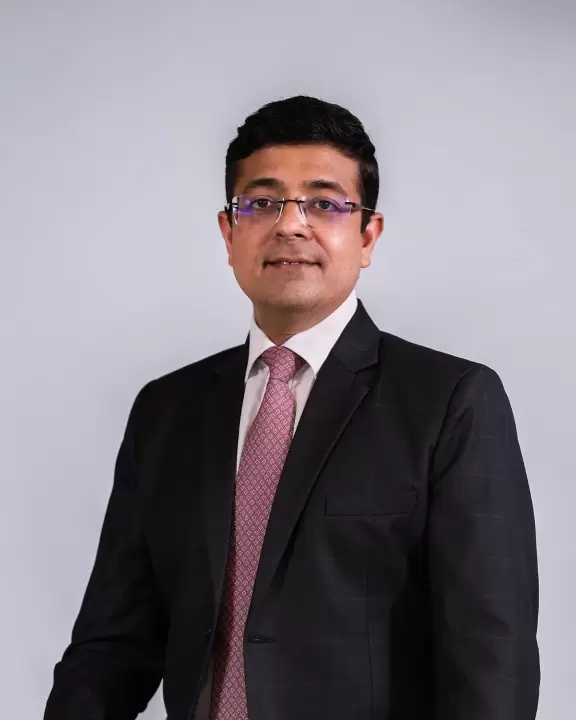
“We are not aiming to create mere buildings. We are creating destinations,” Ahuja said. He added that hospitality is central to delivering a complete ecosystem. “Which is the reason why the focus as we go along when we develop these large destinations is really on a mixed-use concept. Now, when we've started building hotels, we are looking at institutionalisation of that DNA which we perceive our hospitality strategy to really be,” he said.
He highlighted that these developments cater to hundreds of thousands of people daily, making it essential to create vibrant, integrated spaces. “Hospitality drives footfall and dwell time, which enhances overall value,” he noted.
Ahuja also stressed that investment decisions today are guided by long-term value creation. “Creating only office parks does not maximise value. Integrating hospitality and lifestyle elements creates a multiplier effect,” he said.
Echoing to what Ahuja shared, Sonica Malhotra, Joint Managing Director, MBD Group, explained the expanding role of hospitality across sectors. “Hospitality today acts as a spine across asset classes, whether it is commercial, retail or branded residences. You can apply the expertise to differentiating the commercial office space from just a plain vanilla commercial office space to a luxury premium office space,” she said.
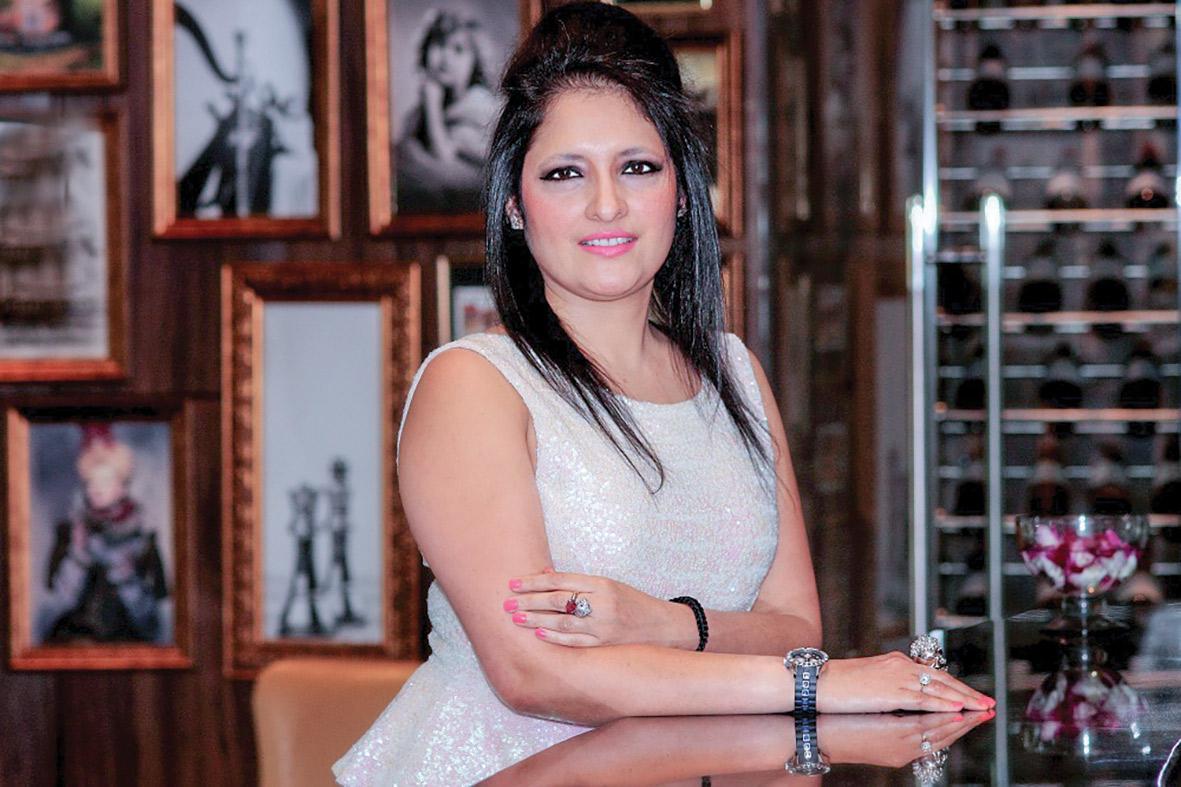
She also highlighted the current potential, she shared, “Currently India is going through a very pragmatic time. And hence everybody is up to maximizing the potential of development and expanding their brand.”
She noted that the industry’s ability to deliver premium, experience-led environments is increasingly being leveraged across real estate. “The precision, detailing and luxury that hospitality brings is now being demanded across sectors,” she added.
Art of brand storytelling
Baruah pointed to the importance of maintaining brand discipline, particularly in urban environments. “We are not in a position to create a story in a city location. Outside cities, you take us anywhere and we will make that story happen,” he said.
He highlighted that the challenge lies in creating a calm, immersive experience within dense urban settings. “That is our only limitation,” he added.
Referring to recent developments, Baruah cited the launch of a 15-room Storii property in Jawai. “Scale, positioning, privacy and experience are what we are pushing for,” he said, adding that while larger properties are possible, they require the right environment and setting.
Capital now chasing hotels
Malhotra addressed the impact of global uncertainties on investment outlook. “The war-like situation is unpredictable, and it is not appropriate to make short-term prognosis,” she said. “ROI decisions are always taken with a long-term perspective.”
She highlighted the strong performance of the hospitality sector in recent years. “The kind of ADRs, RGI and occupancies that hotels are seeing are phenomenal, with double-digit growth,” she noted.
Malhotra also pointed to a significant shift in capital availability. “Earlier, funds were hesitant about greenfield hotel projects due to execution risks. Today, there is capital chasing hotels,” she said.
She added that improved funding conditions and strong revenue performance have reduced return cycles. “Earlier, returns would take over 12 years. Now, well-performing assets are looking at 7 to 10 years, which is a significant shift.”
Risk assessment in new markets
Kutty highlighted the importance of factoring in geopolitical and climate risks while evaluating new markets. “Especially in Asia where we get affected by geopolitical risk but climate risks more. In India, risks often come from changing governments or environmental factors such as floods,” he said.
He cited examples such as Kashmir, which has seen renewed interest in recent years but remains susceptible to disruptions. “None of us wanted to invest in Kashmir for 20 years, which changed in the last 4/5 years after the employment was stable. But then Pahalgam attack happened last year, and also flood situation in Kashmir, in such cases, you do have to discount for your net operating income, for your occupancy, for a situation like that. You have to underwrite these risks while planning investments,” he explained.
He also pointed to recurring disruptions in markets like Kerala, which have influenced investment decisions. “We need to assess where to invest, what to underwrite, and how to account for these risks,” Kutty added.
Decoding leisure segment
Ahuja noted that leisure hospitality continues to see strong growth momentum. “The segment has been on a double-digit growth trajectory and this trend is here to stay,” he said.
However, he highlighted key differences between leisure and business hospitality. “Leisure requires more nuanced site selection, programming and brand alignment. It also involves longer return cycles and higher acquisition complexities,” he explained.
He added that RMZ’s strategy will focus on building a connected portfolio of leisure assets. “It will not be about standalone hotels, but a broader portfolio approach with partnerships,” he said.