Curated, Not Crowded: Inside The Golden Tusk Corbett's quality-first tourism philosophy
 Golden_Tusk - Copy
At a time when Jim Corbett in Uttarakhand continues to witness a surge in volume-driven tourism, The Golden Tusk is consciously positioning itself around a quality-led approach, prioritising experiences, repeat visitation and ecological sensitivity over scale in a highly competitive market. Opened in 2012 with just 24 rooms with three categories, the property has expanded both in inventory and intent to 68 units as of today.
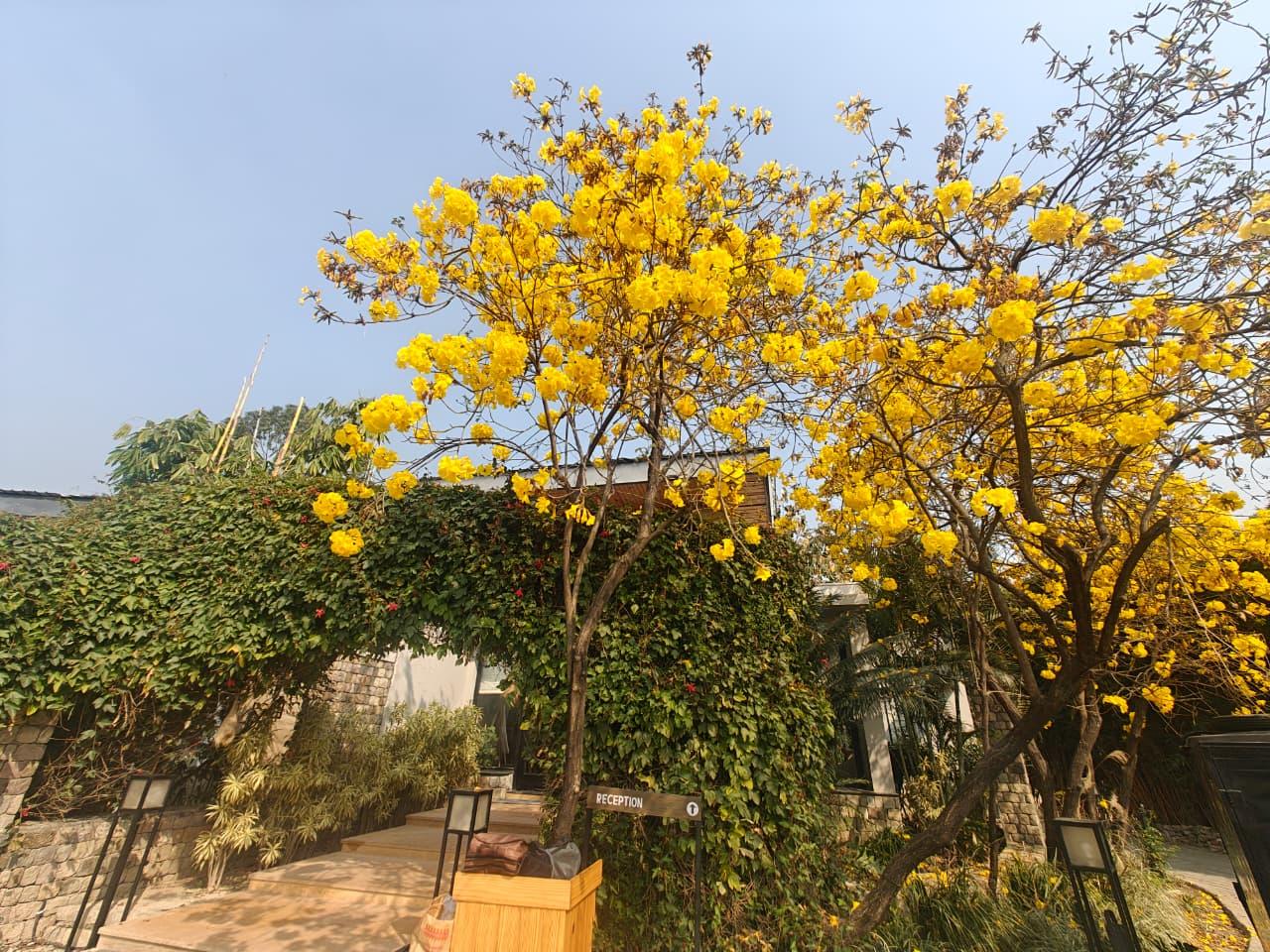
There are places that impress you instantly and then there are places that reveal themselves slowly, almost deliberately, as if asking you to pause, take a deep breath, giving an unspoken invitation to slow down. Over two unhurried nights at The Golden Tusk in Jim Corbett, what unfolded was not just a stay, but a gradual immersion into a kind of silence that feels rare for a Delhi resident and one that was almost haunting in its beauty.
Tucked along the quieter banks of the seasonal Dhela river, on the fringes of Jim Corbett National Park and blanketed by the lush greens, The Golden Tusk Jim Corbett, has over the 13 years of its inception, evolved into a resort that consciously resists the pull of mass tourism. Instead, it crafts a responsible luxury experience that is immersive, measured, and deeply rooted in its natural surroundings, an ethos that becomes evident the moment you step onto its 10-acre landscaped estate.
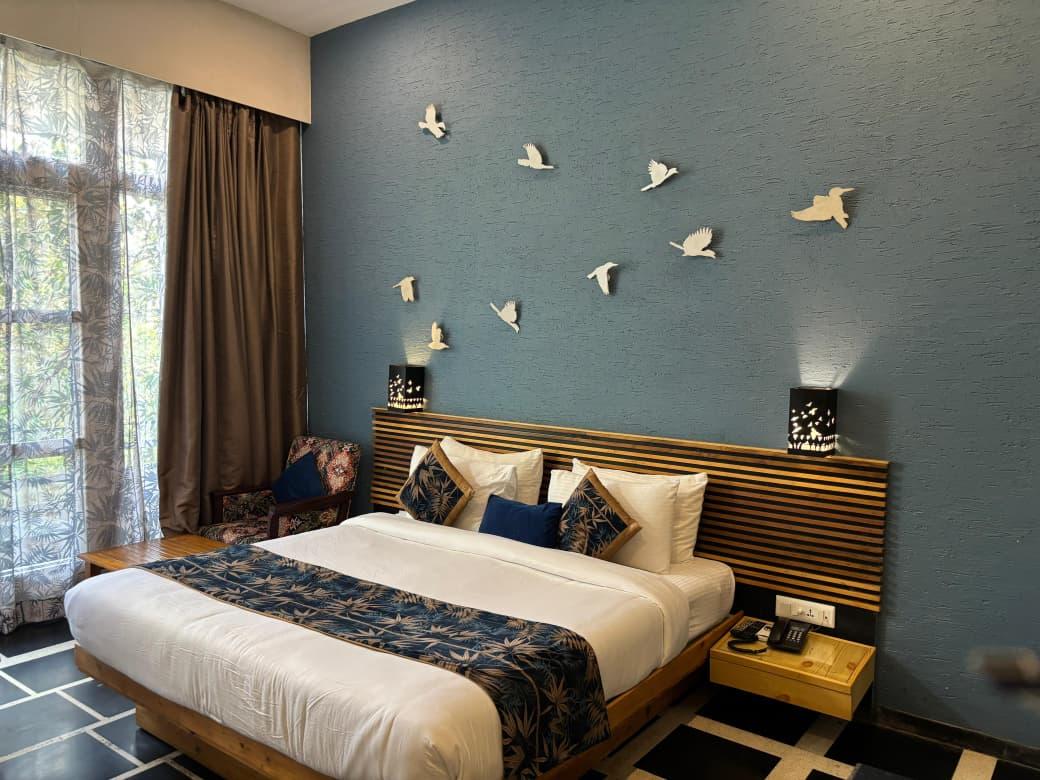
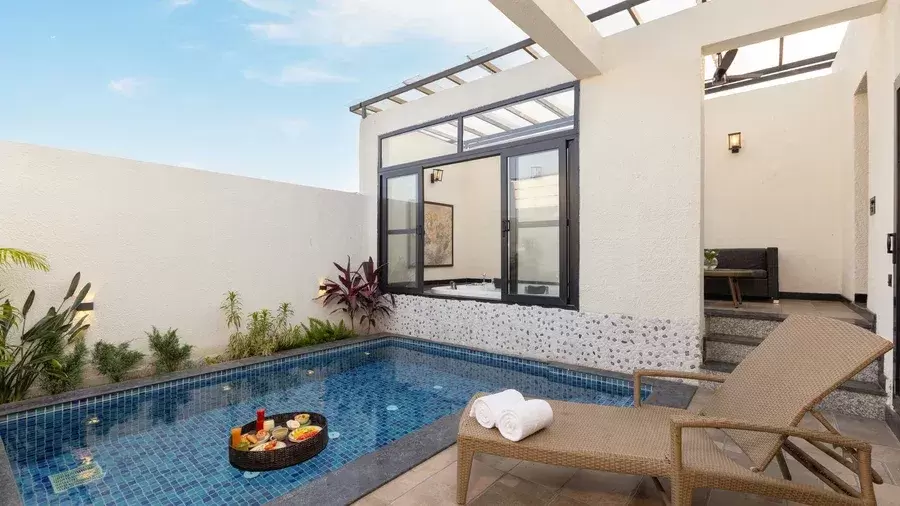
Opened in 2012 with just 24 rooms with three categories, the property has gradually expanded to 68 units, both in inventory and intent. Today, it offers a diverse accommodation mix, from Nature View, Garden and Tusk / Tiger Suites to indulgent Waterhole and Jungle Spring Villas with private plunge pools and jacuzzi, each designed thoughtfully around the evolving vegetation of the estate.
What sets the property apart is not just its scale: room categories spread across villas, suites, and luxury tents—but its philosophy. “Our priority is repeat visitation through the quality of service; quantity is not the priority at the moment,” the Director of Ivory Destinations and brainchild behind The Golden Tusk, Anirudh Lakhotia told T3. He shared that a significant portion of their guests are repeat visitors, reflecting their loyalty and the very reason why the resort places great emphasis on continuously refining its offerings, based on guest feedback and current trends.
Designed for solace, not scale
What struck us most during our stay was the quiet, almost meditative stillness that isn’t empty, but alive. Mornings began not with noise, but with birdsong; afternoons stretched lazily under the sunlight or in the spa space while the evenings settled into a soft hush, an open high-tea setting.
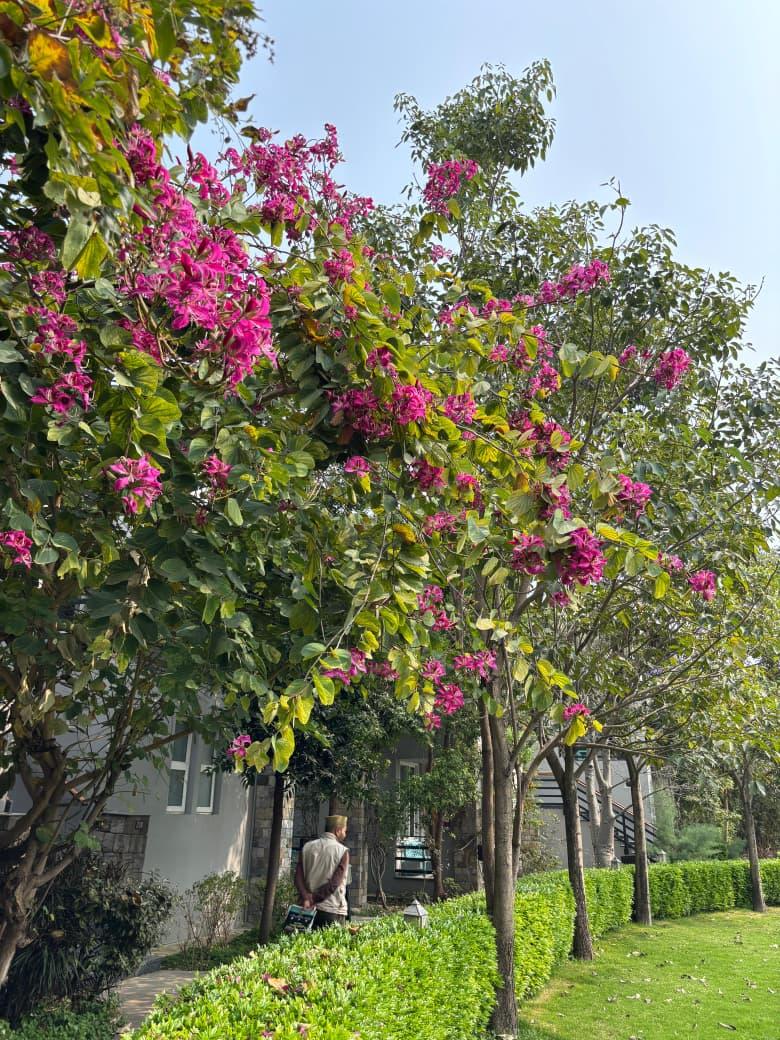
Interestingly, the resort’s growth mirrors its ecology too. For the rooms, what were once “forest view” and “country view” rooms have, over time, been reclassified as “nature view,” as dense plantation blurred earlier distinctions. It’s a subtle but telling indicator of how the property has allowed nature to reclaim space, rather than the other way around. Interestingly, each villa has its own identity—named after plants, with interiors and colours reflecting that inspiration. The idea is to create a space where nature is not just outside, but part of the living experience.
At the heart of narrating this entire experience was Suresh Singh Rawat, Manager-Wildlife & CSR, a naturalist at heart—whose decade-long association with the resort is underscored by his earlier work with organisations like WWF. His engagement goes beyond guided walks and safaris; he has personally documented bird and butterfly species across the property since 2015, creating a living biodiversity archive for guests to explore.

Unlike many resorts in the Corbett belt that lean heavily into volume-driven tourism, The Golden Tusk consciously maintains a balance. Even as it caters to families, corporates, and a few destination weddings (roughly 12–15 annually), noise and ecological disruption are tightly controlled, indoor soundproof venues replace outdoor amplification, and guest movement is subtly guided to preserve the serenity of the surroundings, shared Rawat.
This philosophy aligns closely with broader conservation norms in the region as well, where only a fraction of protected forest areas is open to tourism at any given time. The resort also encourages in-house nature engagement which includes bird watching, nature walks, and slow exploration or village walks, all mostly led by Rawat. Jungle safari packages too can be booked at the property. And mind you, if planning to go on a safari, the Supreme Court has implemented a strict ban on carrying mobile phones during the drives to reduce wildlife disturbance and enhance safety.
Recreation & food, added bonuses
For recreational activities, the resort has two swimming pools (added as capacity expanded and demand increased), a gym and a wellness spa. Further, the pickleball courts, and soft adventure setups, the indoor & outdoor games and adventure activities and a lot of other activities position the resort well as a family-first retreat. For meeting & MICE activities, there is a well-equipped convention centre spanning with max seating capacity of 200, catering to both leisure and business travellers. Other things worth noting: the property has two parking areas- one for chauffeur-driven guests and another for self-driven ones. Then there's a charging zone for EVs too.
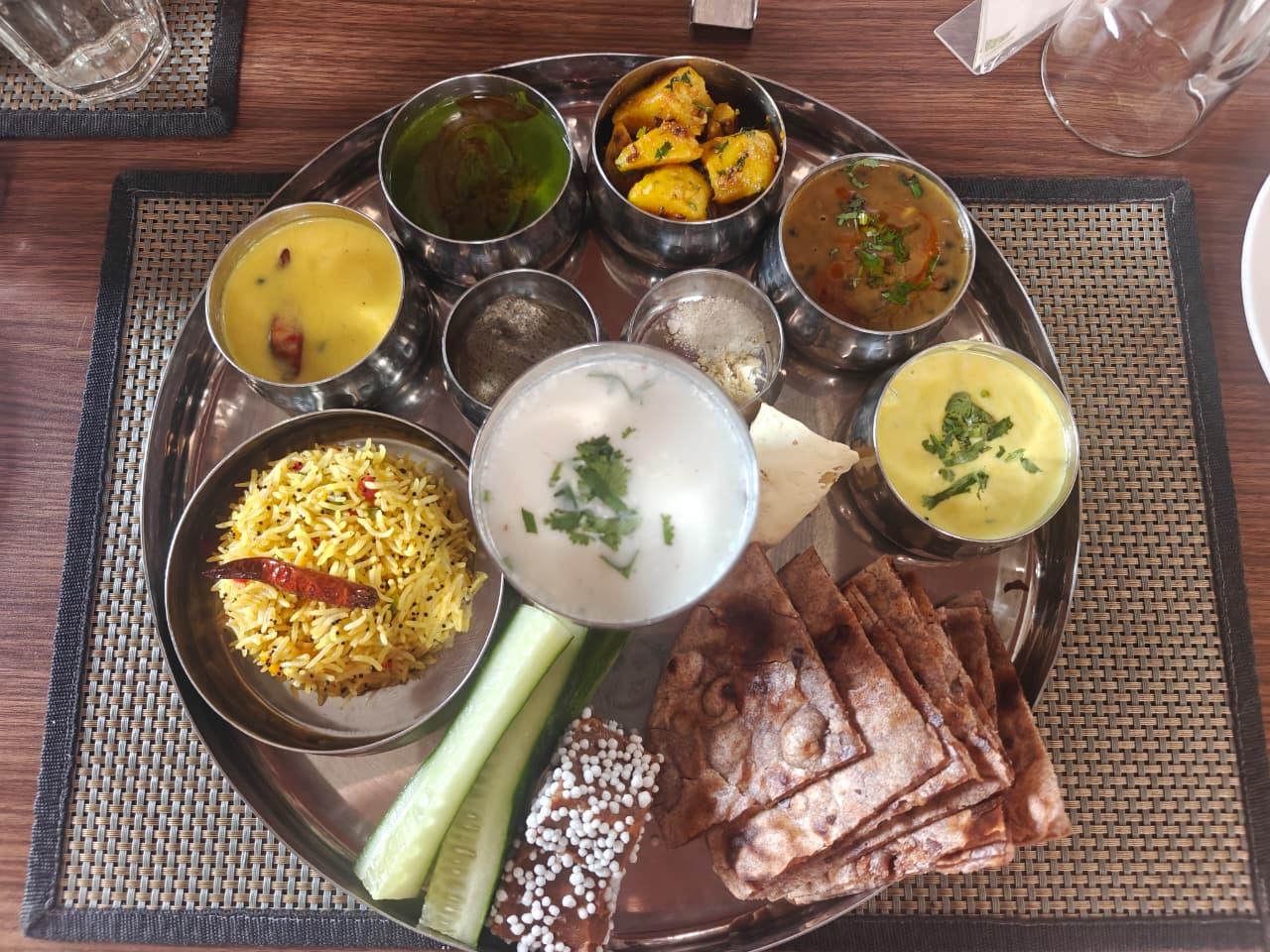
Beyond recreation, the food and the staff service are indeed a bonus with curated dining spaces like the Golden Forest restaurant (indoor restaurant), Jungle Grill (barbequing space, special for private dining experiences) and Gin Tree (for quick sips and relaxed lounging) adding to the incredible stay experience.
And then comes the Kumaoni Thali—the hero: less a meal, more a cultural immersion. Rich in local flavours and prepared with a sense of homegrown authenticity, it anchors the dining experience in the region itself. The taste, be it of the Pahadi Saag, the Kumaoni raita, bhaang chutney or slow cooked lentils, everything carries warmth, familiarity, offering a sense of place that stays with you long after the meal is over.
Reliability and care, core growth drivers
The overall experience oscillates between curated indulgence and nature's discovery. For us, the experience was smoother, worth coming back to: thanks to Rawat, the courteous staff members- Deepak Giri, Dinesh Chandra, Chandan, along with culinary excellence served on the plate, cooked live by the Sous Chef Kishore and of course, the General Manager, Sandeep Singh Pal, who took that extra care and effort to make the experience worthwhile.
Besides this, the brand’s evolution continues with another expansion, the Chamomile Estate— a newer boutique property that recently completed a year of operations. Sitting on the scenic hills of Mukteshwar, the property is smaller in scale but aligned in philosophy, showing a strategic shift towards intimate, experience-led hospitality formats. When asked, the director emphasised that reliability and care are two key growth pillars for both properties ahead.
Notably, the Golden Tusk has also been participating as co-exhibitors at SATTE year after year and continues the focus on sharing its eco-conscious luxury experience further with their curated audience.