Enough of being the stage, when India should be the story
 Cover Image-1
India has long been celebrated for its spiritual richness, cultural diversity and kaleidoscopic experiences. But the inbound story is losing steam. As domestic tourism surges and outbound travel soars, the world’s perception of India isn’t catching up with its reality. What can be done to make the noise globally?
In 2023, India recorded 9.52 million FTAs, bouncing back to 87% of its pre-pandemic levels, a robust 47.89% increase over 2022. Projections from PATA placed India on a trajectory to receive 13.34 million inbound tourists by 2024, a 22% jump over 2019. Yet in the first half of 2024, Ministry of Tourism reported that India attracted 4.7 million foreign visitors, still lagging the 5.3 million clocked during the same period in 2019. Meanwhile, domestic tourism surged to over 2.5 billion visits in 2023 - proof that India is travelling, even if the world isn’t rushing in yet.
The Inbound Conundrum: A Reality Check
Despite high-impact showcases like the spiritual spectacle of the Maha Kumbh, the Lakshadweep spotlight moment, Kerala’s wellness legacy, and countless untold stories, India continues to struggle to convert projections into arrivals . But at the same time, post-COVID, India has emerged as an undoubted source market for top global destinations, a powerful launchpad for destination marketing, yet continues to struggle in attracting comparable interest from the world.
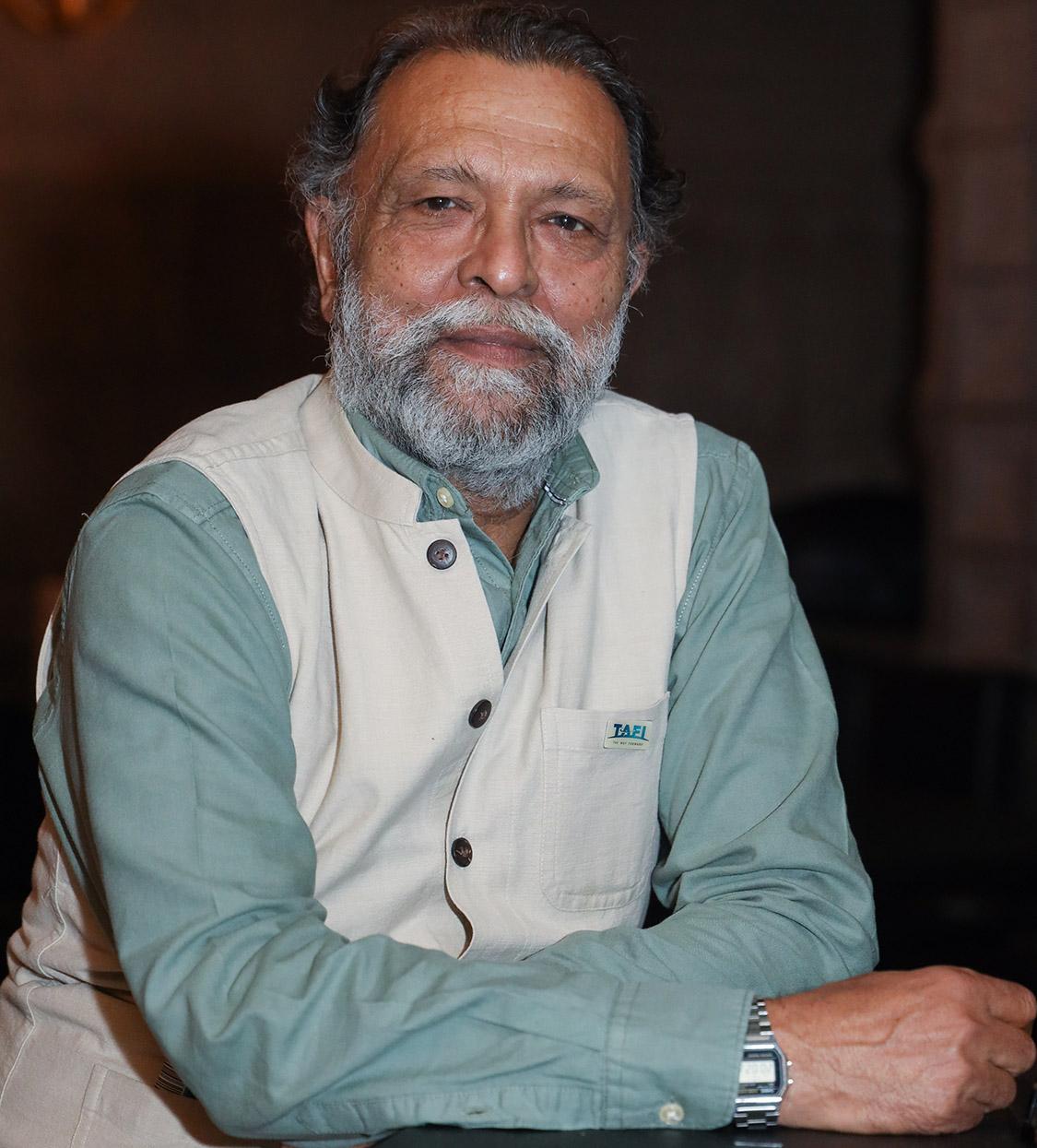
“Outbound tourism has boomed since COVID, and the Indian market has become very attractive to foreign tourist boards, they have all set up shop over here ,” said Ajay Prakash, President of TAFI. “Unfortunately, inbound tourism has not kept pace with this growth. Traditionally, for every one person travelling in, three Indians travel out of the country.”
He added, “The one big change since COVID is the explosion of domestic tourism. Over 2 billion domestic tourist visits is a phenomenal number. But domestic tourism alone is not enough. Indians need to explore their own country, but if India is to realise its full potential, economically and socially, inbound tourism plays a significant role.”
Rajeev Kohli, Joint Managing Director, Creative Travel, echoed this concern. “India is an amazing country with incredible destinations, yet, this incredibleness hasn’t translated into the desired inbound tourism numbers,” he told T3. “The government simply feels that foreign travellers should not be encouraged, which I believe is a short-sighted approach. A decade from now, bureaucrats will realise that ignoring a profitable source of foreign exchange generation was a mistake. It will be too late for many stakeholders” stated Kohli.”
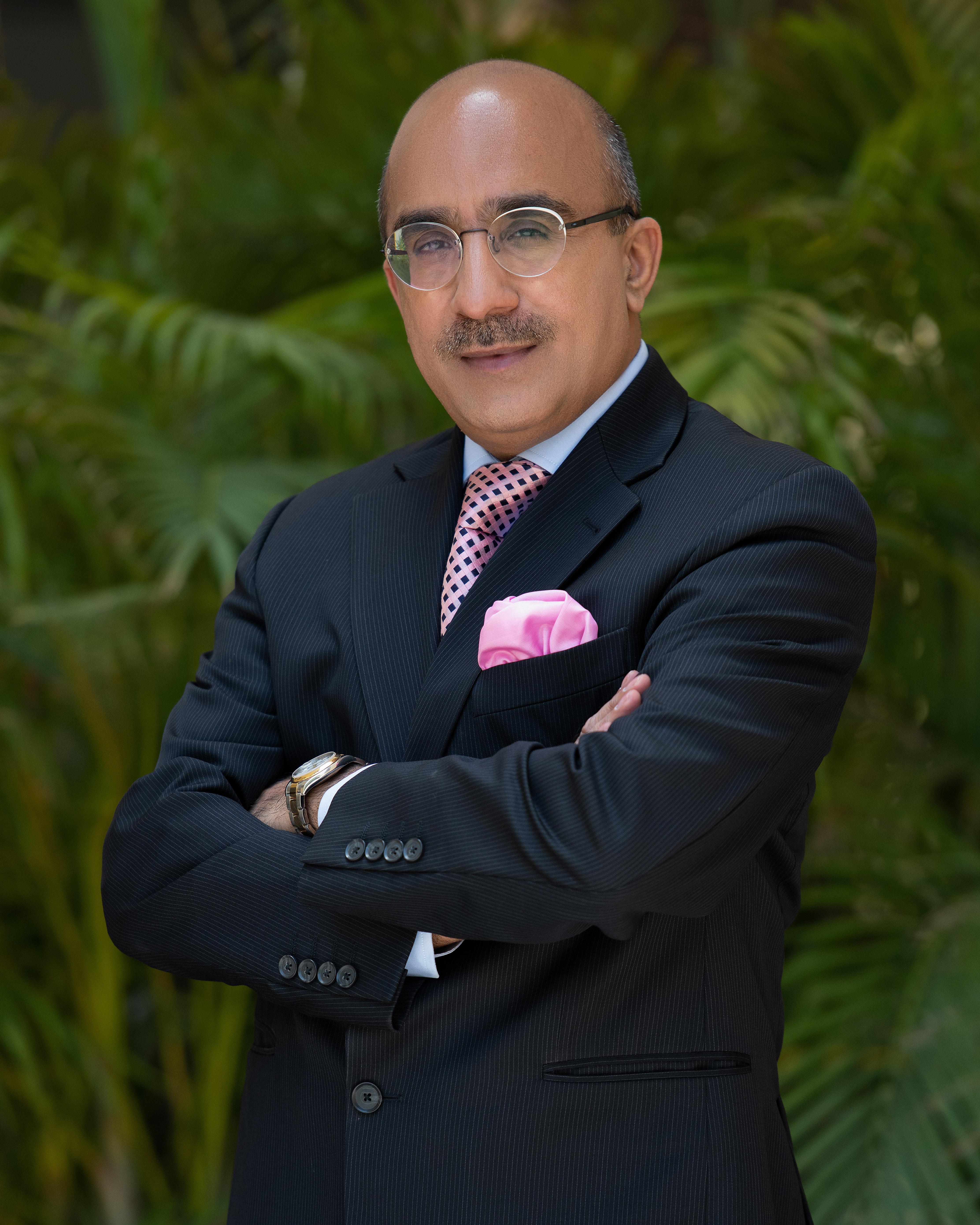
Bobby KS Sawhney, Treasurer, FAITH and Secretary, ITTA, shared a more optimistic outlook. He noted that India’s inbound industry is poised for a strong rebound, expected to exceed pre-pandemic levels by 2025. “Despite the odds, we’re seeing increased inbound traction from emerging markets like Hong Kong, Australia, Italy, and the Netherlands, in addition to our traditional markets - the US, UK, and Germany,” said Sawhney.
Chander Mansharamani, Vice Chairman of ICPB, added, “India’s inbound sector is already on the rebound, with arrivals expected to surpass pre-pandemic levels by mid-2025 and tourism projected to contribute approximately USD 512 billion by 2028 , potentially supporting 58 million jobs by 2033. While domestic tourism in India is surging driven by a growing middle class, better connectivity and cultural resurgence, inbound tourism still faces significant barriers.”
However, Amaresh Tiwari, ICPB Board Member, raised concerns about inflated domestic tourism data. “The claim of over 2 billion domestic tourists is a myth. Around 800 million Indians rely on government food grain schemes as poor. Another 200 million are either elderly or too young to travel. That leaves around 400 million actual domestic tourists, and the majority of them are engaged in religious or spiritual travel. These statistics need correction.”
Geopolitics as a Gateway, Not a Barrier
As Indian passport holders face hurdles in outbound travel due to visa restrictions and ongoing geopolitical tensions, many may increasingly turn inward, rediscovering India. Rajiv Mehra, Immediate Past President, IATO shared that this moment also offers India a strategic opening on the inbound front. “We can reposition ourselves as a stable, value-rich, and culturally immersive destination for global travellers. With visa reforms, infrastructure upgrades, and focused international campaigns, India has a strong opportunity to attract long-haul markets seeking authenticity.”

MP Bezbaruah, Secretary General, HAI, noted that India’s growing stature as a global democratic voice, its leadership in geopolitical alignments, and its rise as an economic powerhouse, can be a game changer. “International travellers are beginning to rediscover India with fresh eyes, particularly from countries where connectivity has improved and visa regimes have become more welcoming. While geopolitical shifts are influencing travel decisions, this is a moment for India to rise on its own terms, offering authenticity, warmth, and a sense of discovery.”
However, he cautioned that inbound recovery is intricately tied to wider geopolitical and domestic factors. “Global geo-political uncertainties may affect the outbound tourism from India as much as it may affect the inbound arrivals. How the geopolitical situation develops, how the Indian economy continues to grow strong, whether we have internal security problems like the Pahalgam incident, how India spruced up its marketing overseas, some of these factors will influence India's inbound tourism in the short run.” he stated.
Echoing a similar sentiment, Tiwari observed that global uncertainties, from Europe’s volatility to GCC dynamics and China’s continued closure, have created a unique opportunity for India to emerge as a preferred destination. “Global travellers are seeking places that are away from political and economic turmoil, and I ndia is becoming the preferred choice . Unfortunately, as the saying goes - ‘what you see, you buy.’ Just when the world is ready to visit us, our policymakers turn a blind eye and miss the moment.
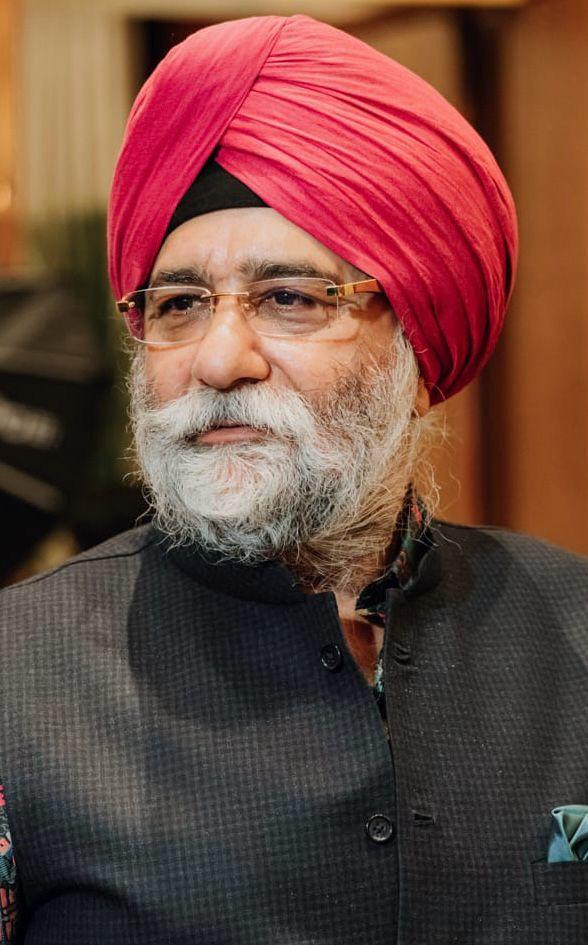
Karan Agarwal, Director, Cox & Kings, told T3 that the shift in outbound access must push India to reimagine its inbound strategy. “Now is a great moment to enhance access through continued visa simplification, deeper bilateral agreements, and a renewed global positioning of India not just as a destination, but as a transformative experience. This could be a turning point, but only if we treat inbound growth as a strategic priority, not just a passive outcome,” he asserted.
Vivek Shukla, CEO, The LaLiT Suri Hospitality Group, echoed that sentiment. “As outbound travel faces geopolitical and visa-related headwinds, this is indeed a pivotal moment for India to reassert itself as a compelling inbound destination. The global gaze is shifting, and India is well-positioned to seize the opportunity.” However, he cautioned that momentum must be matched by intent . “We need sharper positioning of Brand India, targeted global campaigns, and stronger public-private collaborations to truly elevate our global relevance.”
Adding another layer to the conversation, Kohli highlighted that Indian passport holders are still in demand globally. Interestingly, the visa process for foreign nationals visiting India is fairly simple, compared to many other countries. Can we move to visa-free access? Sure. Will it dramatically change things? Probably not. We have bigger problems to fix,” Kohli concluded.

Numbers vs Perception
When travellers search for India on Google or social media platforms , India is often portrayed as chaotic, lacking basic hygiene, unsafe for solo travellers, and overpriced during peak seasons. These narratives, whether exaggerated or not, shape perception. The potential is undeniable; the problem lies in the perception.
“Apart from the fact that it generates employment and eliminates poverty, the one incredible thing about inbound tourism is that it is also a form of soft diplomacy. Every time a person comes to your country and goes back happy, that person becomes an ambassador for the country,” Prakash added. “As a matter of fact, as a country, we have much more to offer than so many others. And yet, a tiny country, like a city-state such as Singapore, gets so many more tourists than we do. The problem is in the perception, and that's where we need to address the issue.”
“ The perception of public hygiene, which is a big turn off, needs to be addressed in a big way . If we seriously improve cleanliness, we could attract four times the current number of inbound tourists,” he said.
Bezbaruah offered a broader view: “Many international tourists perceive India as a culturally rich but complex destination.” That complexity can either fascinate or intimidate, especially for first-time visitors. “ While much progress has been made in tier-1 and tier-2 cities, the gaps in last-mile connectivity and tourist-friendly facilities still exist in many regions with high tourism potential . A traveller shouldn’t have to think twice about basic things like clean rest stops, signage, or reliable transport, good guides and storytelling at the sites, reliable shopping experiences and authentic cuisine ,” he added.
The Roadblocks & Way Forward
While India holds immense potential as a world-class travel destination, several longstanding challenges continue to hold back its inbound tourism growth. Mehra observed that the rise of high-spending domestic tourists has inadvertently made India a relatively expensive destination for foreign travellers. “ Lengthy and inconsistent visa processes deter international tourists, especially when competitors offer seamless e-visas. Limited global marketing, especially in high-potential markets, restricts India's visibility. Perceptions around bureaucracy, pollution, and overcrowding further dampen appeal. Additionally, geopolitical tensions and global economic uncertainties influence travel decisions ,” he noted.
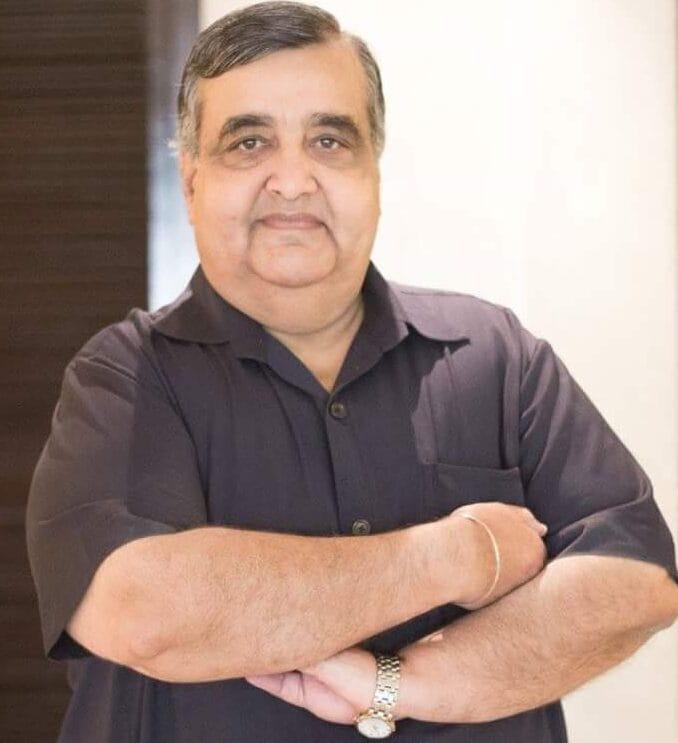
Sharing a similar sentiment, Mansharamani pointed out that visa barriers continue to hinder growth from top source markets like the US, UK, Japan, and China. Despite India offering e-visas to over 160 countries, the process still feels cumbersome, particularly for older or less tech-savvy travellers. “We need to streamline visa processes further, explore visa-waiver pacts with top inbound markets (e.g. Gulf, EU, ASEAN, UK) and invest in multilingual digital platforms,” he suggested. Mansharamani also recommended easing compliance norms for foreign tour operators and actively engaging in global travel coalitions to signal openness and reliability.
Kohli brought attention to a unique internal challenge - inbound tourism now directly competes with booming domestic segments, especially weddings. “The Indian social market, including weddings and celebrations, is buying out key properties, affecting availability. This had impacted product and client diversity in the long term,” he said. Kohli also warned that while weddings fill hotel rooms, they don’t necessarily benefit the broader tourism economy like monuments, guides, tourist shops, and local restaurants. The trickle down effect does get impacted for sure. This complacency is detrimental to a city's economic affairs.”
Tiwari echoed the same concern - seasonality. “Inbound in India is mainly attracted from October to March (180 days) when weather is very conducive. Unfortunately, this is the same time when wedding industry is at their peak and took away almost 104 days with 52 Saya days.” He pointed out that major inbound destinations double up as top wedding venues, leading to saturation and inflated prices. “We need to develop separate wedding destinations and need to create more inbound destinations, creating an equal opportunity for inbound to grow in these sectors, without suffocating each other,” Tiwari added.
Building on the call for reform, Sawhney underscored that the most urgent issue remains India’s complex and often inefficient visa processes. “Addressing safety concerns through proactive measures and communication is crucial as global safety perceptions, especially after incidents like Pahalgam terror attack has impacted tourism,” he said. Sawhney also stressed the need to upgrade transportation networks and tourist amenities, particularly in underdeveloped regions, and pointed out a critical gap in India’s global marketing. He further suggested, “We need to reopen and empower overseas tourism offices to drive targeted branding campaigns.”
Sawhney also raised concerns around unregulated, small-scale inbound operators who compromise service standards and deter high-spending tourists. He further noted macroeconomic factors, such as global inflation and fluctuating currency exchange rates, that are shaping travel decisions. In this climate, India must deliver high-quality experiences at competitive prices. Adding more, “The long-standing demand of stake holders for establishing a centralized India tourism board and reinstating the marketing development assistance scheme can help address these challenges.”
Agarwal emphasized the importance of consistency and scalability in delivering inbound experiences. “ We need to ensure that the experience of a traveller arriving in India is seamless, safe, and enriching. From infrastructure to information access, small improvements across the value chain can collectively make a big difference ,” he said. “ The challenge is not in the product it’s in aligning delivery with expectations, especially for the global traveller unfamiliar with India”
Shukla highlighted challenges that include streamlining visa processes, improving connectivity from key source markets, and addressing global perceptions about safety, hygiene, and environmental responsibility. “India must evolve its narrative beyond the "golden triangle" to include diverse regions and experiences from the Northeast to coastal wellness retreats while showcasing its commitment to sustainable tourism practices, ” he noted. He emphasized that consistency in infrastructure, multilingual accessibility, and seamless digital experience are key factors that can transform curiosity into bookings.
Echoing a strong call for branding revival, Prakash explained the fading impact of ‘Incredible India’. “We have no dedicated tourism offices overseas today, and our embassies and consulates are understandably consumed with their primary responsibilities. Tourism ranks rather low on the radar for them ,” he stated.
Prakash noted, “We did a great job of getting the word out about the Kumbh and it was a huge success, but that's not enough. You need sustained campaigns, which bring out the beauty, the uniqueness, the diversity of this country.” Prakash also emphasized that its not only about campaigns, but the reality has to also match . He also flagged the lack of proper signage across many regions, “It’s confusing even for Indian travellers.” Standardisation is critical and so is improving waste management and increasing the number of public conveniences.

A ccording to Prakash, meaningful transformation will only be possible through public-private collaboration. “The government has adopted the FAITH vision of attracting 100 million inbound tourists by 2030. But i t's not going to happen merely by thinking about it. We have to get things on the ground to the level that compares with any of the more advanced countries .”
Aashish Gupta, Consulting CEO of FAITH, noted that while the sector holds immense potential, meaningful results can only be achieved through a strategic approach. First, the branding of Incredible India has to be undertaken in all key markets across social, digital and out of office. The budget for that has to be commensurate with the earnings of foreign exchange which the country is earning.
Second, there has to be close coordination between the Ministry of External Affairs and Ministry of Tourism to ensure that the embassies across the world and constitutes have people who are fully understandable of the Indian tourism product and who can coordinate with the local travel trade of each of those countries to be able to create the local image of India tourism in those countries.
He further highlighted the importance of focused engagement through market-specific familiarization trips. Taxation is another hurdle that must be addressed. “Our tax structure, including GST and input costs, should be globally competitive, so that we don't pass on taxation to the global visiting customers” Finally, Gupta stressed the need for a unified vision at the state level. Each state must recognize the significance of inbound tourism, because the tourism product, the service standards, all will have to be kept in mind while catering to a global traveling audience.
Accessibility as a Priority, Not a Footnote
India’s inbound tourism narrative must increasingly reflect the needs of diverse travellers, including seniors, women, solo adventurers, and those with physical disabilities. As the world moves toward more inclusive travel, India’s infrastructure and service delivery must keep pace.
According to Mehra, while India’s tourism circuits are evolving, but gaps remain in offering universally accessible infrastructure, quality healthcare, and senior-friendly services, particularly in last-mile connectivity and inclusive amenities. “India is making progress with women-only transport options, improved safety measures, and digital tools for navigation and bookings,” he noted. “However, consistency in safety standards, especially in remote locations, remains a challenge.”
Bezbaruah echoed these concerns, pointing out that circuits are evolving, but accessibility for senior citizens, differently abled travellers, and solo women tourists still requires attention. While India’s booming medical tourism is a strength, healthcare access in tourist destinations remains uneven. Several states have made encouraging strides, especially in wellness, heritage, and eco-tourism, yet there is much to be done to make it an integral part of our tourism eco-system .”
Kohli stated that Indian tourism circuits and key destinations have competent infrastructure. “Healthcare is not a concern; India has some of the best hospitals and doctors. Efforts have been made to improve senior travel experiences, including the installation of ramps at monuments. India is a safe destination with low street crime. Solo travel is fine, but foreigners need to respect the cultural sensitivities and adapt their behaviour accordingly,” shared Kohli.
Sawhney acknowledged that India's tourism infrastructure is evolving, with efforts to improve accessibility and services for diverse travellers . Similarly, tour operators should offer tours for travellers with disabilities. He also underlined that promotion of medical tourism and simplification of visa procedures for foreign patients is important.
However, Tiwari offered a sharper perspective. Accessibility is still largely cosmetic. Tier-A cities have excellent healthcare and infrastructure, but when travellers move to Tier-B and Tier-C cities, the experience deteriorates. It’s essential to raise awareness not just among tourism stakeholders like guides and drivers, but also among civic workers, local police, municipalities, and policymakers. Inbound and domestic tourists have very different expectations regarding hygiene, safety, and service, and that distinction needs to be understood.”
Tapping into the JOMO Trend
A growing breed of Indian travellers, driven by last-minute impulses and the need to disconnect, is creating fertile ground for what many now call the JOMO (Joy of Missing Out) effect.
According to Mehra, this behavioural shift offers an ideal opportunity to reimagine tourism. “Destinations can innovate by offering flexible, short-stay packages focused on wellness, nature, and digital detox. Pop-up retreats, offbeat homestays, and curated slow travel itineraries can cater to spontaneous escapes. Real-time booking platforms, smart local experiences, and minimal planning requirements enhance appeal. This trend can redefine India’s domestic tourism landscape meaningfully”, explained Mehra.

Kohli sees JOMO not just as a trend but as a potential differentiator – if done correctly. “ If you express what is the joy and what happens if you miss out, it's not obvious to everybody. But translating this into with a sustainable focus is very dependent on the nature of the destination and what they have to offer,” he said. “But if a destination can create moments of uniqueness, moments of differentiation, and have a sustainable environmental and sociological focus on that, it sets them apart from everything else.
Sawhney added that to convert the spontaneity of impulsive Indian travellers into sustainable tourism growth, destinations within India can innovate by developing eco tourism zones, fostering community based tourism model, enhancement of heritage sites, launching awareness campaigns, imparting training under Capacity Building Scheme etc. It is also important to develop agri-tourism product, promote wellness tourism, as well as adventure tourism and promote public-private partnerships.
Agarwal agreed, noting that the JOMO effect fits beautifully with India’s depth, be it in heritage towns, wellness retreats, or nature circuits,” stated Agarwal. To convert that into sustainable growth, destinations need to be flexible in terms of access, stay options, and bookings.
According to Shukla, the JOMO mindset reflects a deeper desire to disconnect in order to reconnect with oneself, with nature, and with meaningful moments. “Spontaneity doesn’t have to mean unpredictability. With real-time booking platforms, flexible travel policies, and curated last-minute experiences, we can cater to the impulsive traveller while still building sustainable, community-led tourism ecosystems.
Checking G20 afterglow - Is MICE truly flourishing?
Mansharamani refers to the G20 afterglow as the positive diplomatic, infrastructural, and perceptual spillovers that continue to benefit India after successfully hosting the G20 Summit. “It has created a halo effect across multiple sectors, particularly in tourism, international relations, and MICE. India’s G20 afterglow has undoubtedly boosted the MICE narrative, bringing visibility, infrastructure, and government momentum,” he added.
According to Bezbaruah, the G20 summit was not only a diplomatic achievement but also a unique opportunity for global visibility. Cities like Varanasi, Udaipur, and Bhubaneswar have taken the spotlight, creating a ripple effect that is leading to renewed interest in India as a destination for MICE. “Unfortunately, in spite of the impact that was created among the G20 countries, the follow up result has not been commensurate. The G20 put us on the global map; now our task is to build on that momentum with a clear, long-term strategy,” stated Bezbaruah.
Tiwari expressed, “Post G-20, India is having excellent infrastructure across India to handle MICE and this segment also offset seasonality as MICE mainly happen during off-season.” However, there’s a need to have incentive scheme, subvention scheme to offer international associations and corporates to bring their business in India, help DMCs and PCOs in their bidding process with financial help, and market “Meet in India” brand.
Therefore, India’s inbound potential is not in question, but the will to unlock it is. From global perception to last-mile experiences, the journey from “Incredible India” to “Infinite India” will demand more than slogans. It will take storytelling that inspires, systems that deliver, and a unified intent to make India not just a destination, but a transformative journey.