Power of Partnerships: Why India’s tourism chain must stitch itself together
 Image used for representation-4
Airlines, hoteliers, tour operators, transporters, and guides: each is a vital link in tourism chain built on trust, competence and integrity. Whether it’s an airline opening new skies for India, a hotel extending trust through ethical practices, or a chauffeur upholding a service, tourism’s success depends on collective accountability. For India to rise as a global tourism force, its stakeholders must act as one orchestra, tuned to a common rhythm of an important thing called ‘trust’.
Tourism is a relationship business. Yet for all of India’s cultural wealth and instinctive hospitality, inbound tourism still stumbles on fissures that are not in monuments or flight schedules but in human handoffs; the moment a chauffeur meets a guest, a guide narrates a story of the monument, or a hotel honours a long-standing booking.
And those stakes matter. While the global tourism recovered strongly in the wake of the pandemic: international arrivals surged back in 2024, and UNWTO describes the rebound as returning to or exceeding pre-pandemic levels in many markets. Yet India’s inbound numbers, receipts and share of the global tourism economy still lag the country’s economic heft and the scale of its diaspora. Here, collaboration comes in for a stronger role play. Experts agree how partnerships, if properly structured, could change a struggling inbound landscape into one of durable growth.
Trust: A powerful currency
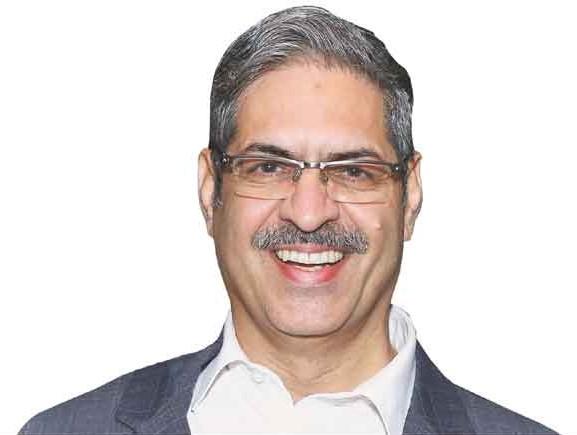
“Tourism works on trust. And trust is the ultimate thing.” With that line, Homa Mistry, CEO of Trail Blazers and moderator of the business session ‘The Power of Partnerships’, set the tone for an honest discussion at a recent industry forum. With him, were some of the key voices in the tourism sector; together, they pulled apart one simple truth: India’s inbound tourism is only as strong as the partnerships that hold it together: airlines, hoteliers, transporters, guides, and tour operators, all bound by one fragile yet powerful currency: trust.
In an instant agreement to Mistry’s statement, Subhash Goyal, Chairman, STIC Group , a veteran who has spent over five decades in the industry, said, “We all wish to trust each other but trust only comes from cooperation. India today is the fastest-growing economy in the world because of public-private partnership. Tourism too must thrive on that same model.”
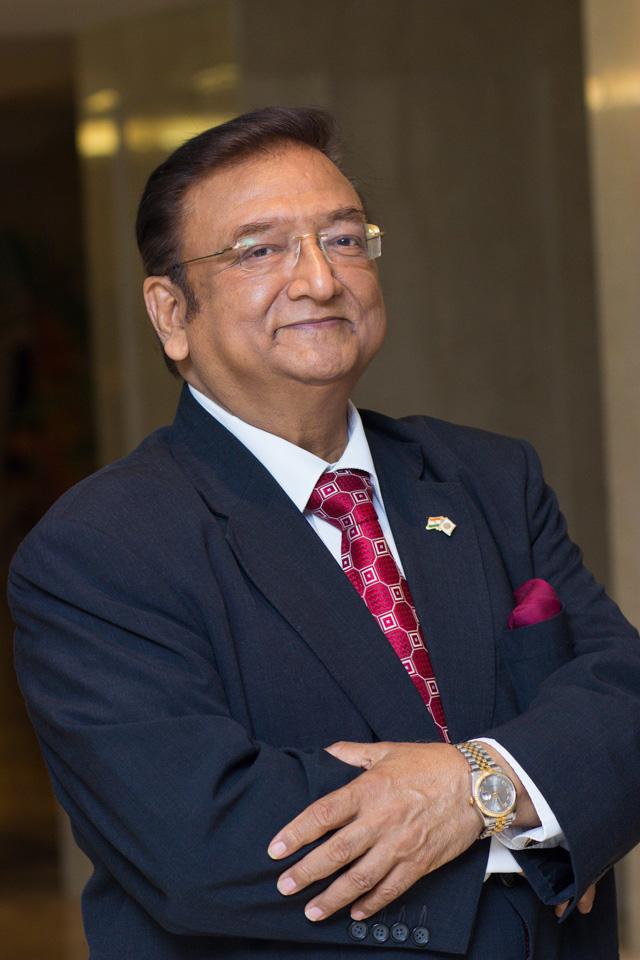
Goyal reminded the audience that tourism is a service industry, where experience is everything and that experience depends on an unbroken chain of partners. “The airline is the gatekeeper, the transporter moves the guest, the hotel delivers exception in comfort, and the guide serve as India's real ambassadors bringing India alive. But if one link breaks or a poor experience at any touchpoint, the entire itinerary fails,” he said.
He further argued that post-COVID, the tourism industry failed to meet challenges because stakeholders looked to government solutions rather than working together. He contended that if major players including major airlines, hotel chains, tour operators, travel agents, adventure operators, MICE operators and more, collaborated effectively, India's tourism ranking could match its 4th-position economy status instead of languishing below 30th position globally.
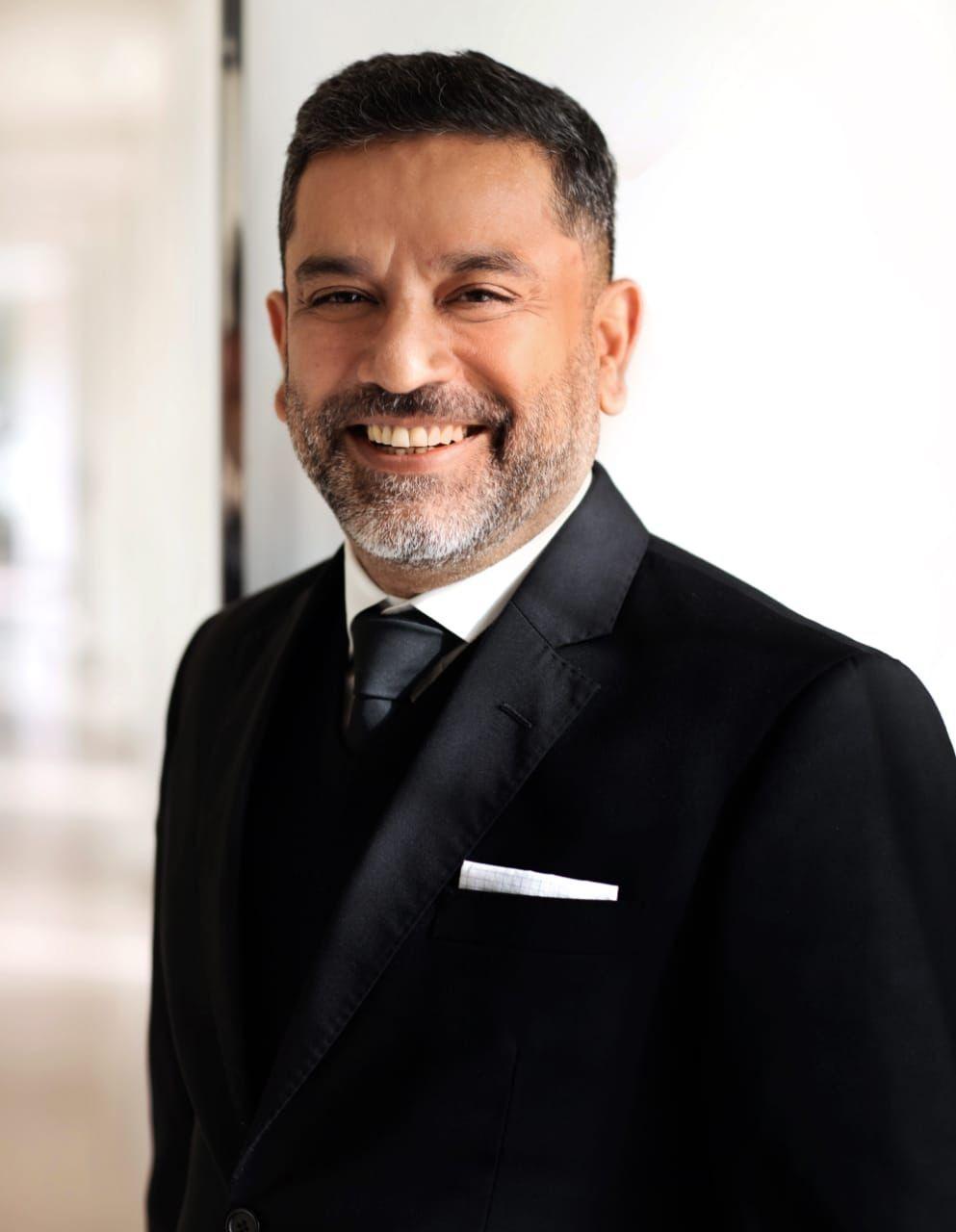
For Arif Patel, CCO, ITC Hotels Ltd. , hotels, are particularly exposed to breaches of trust because they operate on scalability and reputation. “As a hotelier, I can’t just add more rooms when demand spikes — my business is built on consistency. We survive on trust. If we break it, we’re out of business overnight.” He acknowledged that every miscommunication, rate dispute, or inventory mismatch can fracture an alliance years in the making.
Drivers, guides as brand custodians
The experts also spoke of the often-overlooked faces of the sector, drivers/ chauffeurs and guides, those who spend the most time with travellers.
Mistry drew attention to the guides segment saying these people are the unsung Ambassadors of Indian Tourism. “We loosely say ‘tourist guide,’ but the work that a guide does is phenomenal. In India, we are very fortunate; among our licensed guides, we have at least a hundred people with doctorates — including some actual doctors in Jaipur who also guide German travellers.” Many of them, he added, hold multiple degrees and have dedicated years to mastering the art of storytelling, interpretation, and guest engagement. “In many ways, the guide is the one who keeps the journey running smoothly.”
He further reflected on the need to enhance the quality of this segment. “While we focus on five-star hotels and luxury transfers, we must also look at how we can elevate the quality of guiding,” he said. In a creative flourish, Mistry also broke down the very word GUIDE to capture its deeper meaning: G – Gives Genuine Information; U – Understands the traveller’s needs; I – Interprets the experience the right way; D – Provides Direction at every step; E – Brings Efficiency, ensuring every guest leaves happy. He further urged the industry to recognise guides not as mere escorts but as India’s cultural ambassadors.
Kanwarjit Singh Sawhney, the Hon. Secretary of Indian Tourist Transporters Association- ITTA , reminded everyone of the Atithi Devo Bhava philosophy. “This phrase began because the Ministry of Tourism and tour operators had faith in transporters. Our drivers are the first ambassadors of the country. They’re the first to receive guests, often sleeping in vehicles, cleaning cars at dawn, working long hours. Yet, their dignity and working conditions need real attention,” he said.
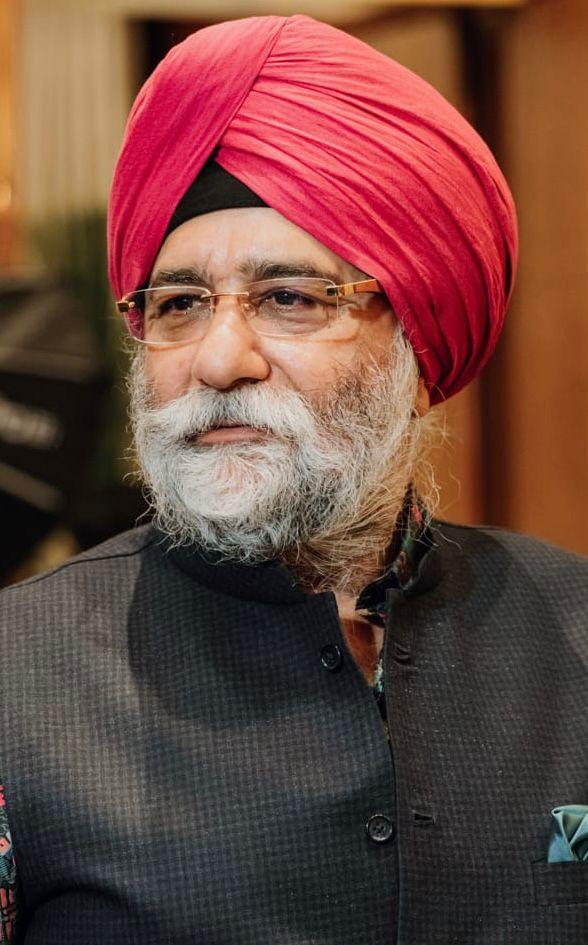
He emphasised that transporters form the first impression of India, one that can either enhance or erode years of brand-building. “We need proper facilities, restrooms, and dormitories for our chauffeurs. We need the industry to treat them as professionals, not drivers-for-hire.”
Echoing the sentiments, Narendra Rathore, President of the Tourist Guides Federation of India (TGFI) , underlined the guide’s role as India’s storyteller. He stressed that guides serve as quality assurance managers who not only provide their own services but also take responsibility for smoothing over any service gaps from other industry partners, acting as the crucial link in the tourism chain.
“A guide is the real ambassador of the country. Tourists spend most of their time with us,” he said. “The experience we create determines whether the tourist comes back or not.”
But Rathore raised an alarm over new online guide licensing systems while calling for industry collaboration to preserve established quality benchmarks. “We are highly qualified tourist guides trained and licensed through proper channels by the Ministry of Tourism, Government of India. We have state-level and local-level guides who maintain rigorous standards. However, the recent introduction of online training processes by the Ministry of Tourism over the past 2-3 years has become a subject of great concern.”
“We must protect and maintain our established standards while addressing how to ensure quality among newcomers entering through these new channels. I request associations like IATO to join hands with us so we can collectively approach the Ministry of Tourism to preserve our current standards. This is critically important because only qualified, properly trained guides can deliver the best tourist experiences,” he added.
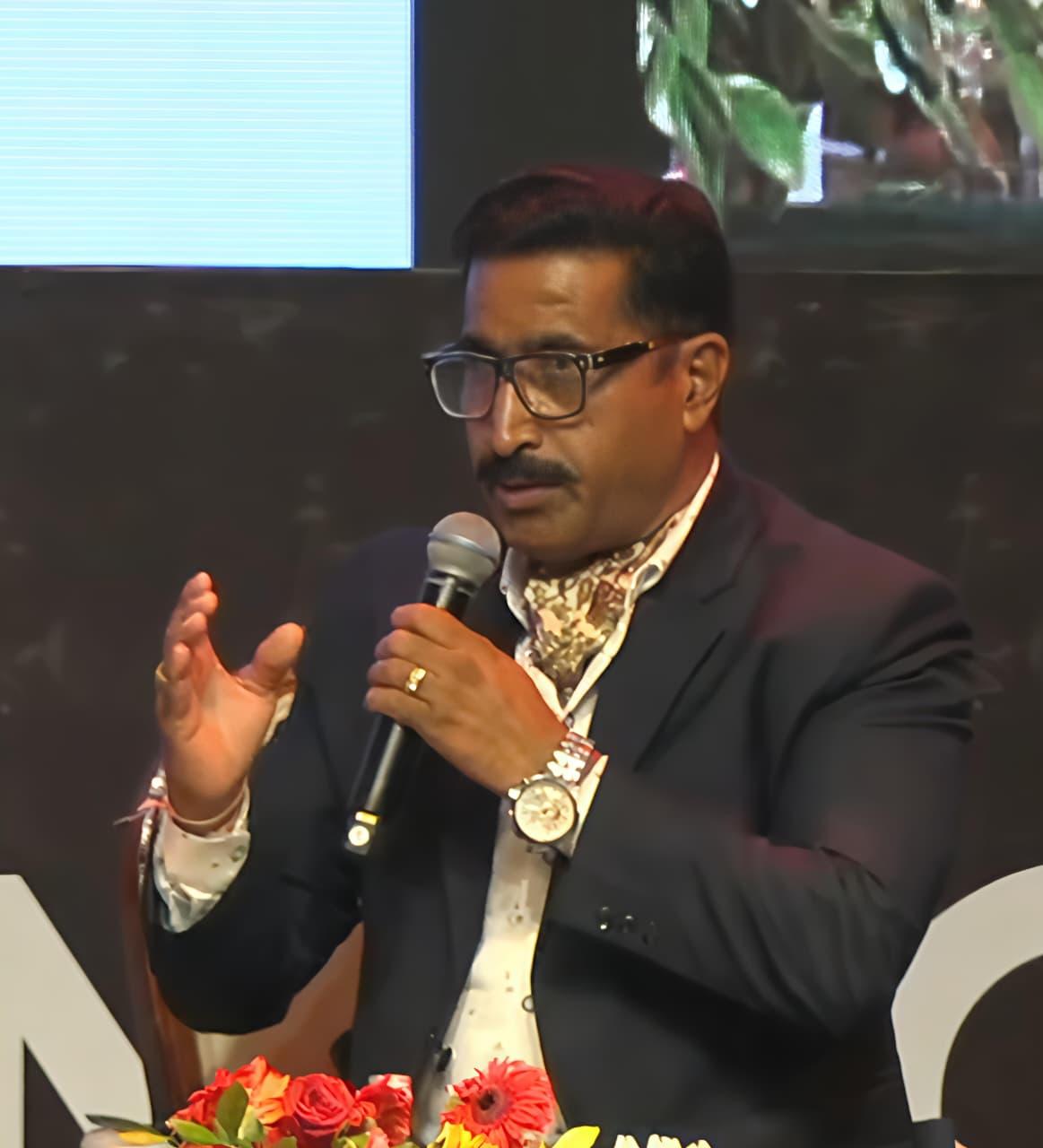
The Airline Lens: partnerships that open skies
Notably, IndiGo has successfully expanded to 43 international destinations, with many being entirely new routes that didn't previously have direct connectivity from India. New destinations like Baku and Tbilisi initially see 80-90% Indian outbound travellers, establishing the route's viability and creating awareness. Once routes mature, at least 20% inbound tourism will begin to develop, creating a balanced travel flow. The airline isn't just providing transportation—it's actively creating new international tourism markets for India, as highlighted by Mistry.
Lauding IndiGo for its agent-friendly initiatives, its responsiveness and collaboration with the trade, Mistry highlighted how the airline has gone the extra mile to support IATO members. He shared how the airline is the only one to extend a special letter to IATO allowing pre-booked extra baggage—ranging from 5 to 15 kilograms—at nearly 70% discounted rates.
Anshul Sethi (Head of Sales – India, IndiGo) highlighted how airline is supporting tour operators through products and partnerships. Sethi emphasised that with products like Super 6E, tour operators can plan professionally without seeking last-minute favours or compromises.
Sethi also highlighted the airline’s evolving approach to engagement through its Blue Chip loyalty program, which now allows members to earn miles beyond flying. “This is new-age marketing. Now, every time you order food on Swiggy and link your Blue Chip number, you earn points. We’re engaging our partners several times a day, not just when they travel,” he explained. The focus, he emphasised, is on data-sharing and mutual trust, where “two strong brands leverage each other’s customer base without competing, but by recognising and rewarding shared loyalty.”
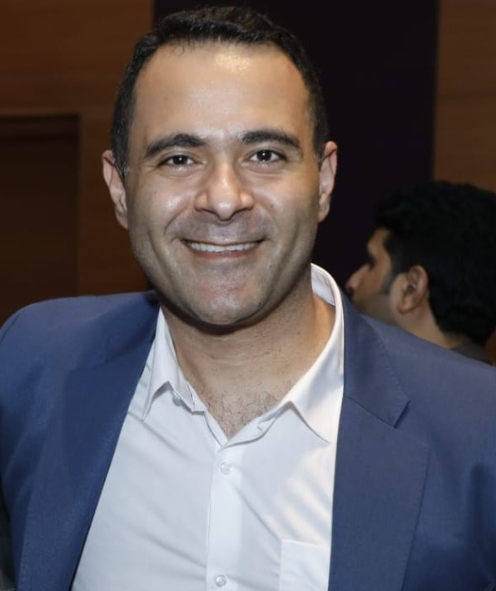
He also recalled IndiGo’s launch in CIS countries which began as outbound; today those routes are thriving both ways, proof that travellers are eager to explore India’s hidden gems. “That’s how markets open up,” he said.
He further explained how the airline’s expanding code-share network has transformed connectivity for inbound tourism. “We have independent code-shares with 11 airlines. This means that outside of the 135 destinations we serve directly, we now reach another 70 global destinations — with passengers checked in all the way to Tier II and III cities in India.” Giving an example, he added, “Virgin Atlantic can now sell from London all the way to Trichy through check-in. Our recent partnership with KLM opens up almost 20 destinations via Amsterdam, offering inbound operators a one-stop solution into India beyond the metros.”
His larger message was that the partnerships in aviation must evolve from transactional to strategic. “If we plan together, we can expand India’s inbound market sustainably.”
Creating a code of business ethics
But trust isn’t only about delivery — it’s also about fairness, pointed Goyal. A sore issue surfaced when he spoke about hotels holding back inventory for direct sales or wedding bookings while leaving inbound operators stranded.
“We have to create a code of business ethics,” he noted. “It’s about ensuring that when inbound tour operators commit rooms months in advance, they aren’t pushed aside by a last-minute event.” Goyal said, adding, “The question is not whether Taj or ITC is making profit — is India making a profit?” He cautioned against hotels bypassing tour operators for direct bookings, pointing out that in Singapore, major hotels mandate bookings through recognised partners. “Why can’t Indian hotels do the same? At least 10–15% of inventory should be reserved for foreign tour operators — that’s national interest.”
To this, Goyal proposed revival of the long-dormant Code of Ethics between hoteliers and tour operators under IATO. “During my time, we had signed a code of ethics with FHRAI. It worked for a year or two before fading. Let’s revive that spirit through IATO — identify each other’s pain points, agree on a fair code, and work together. That’s the only way forward.”
Goyal also raised the issue of withdrawing complimentary rooms for guides, appealing for the policy’s reinstatement of long-standing practices such as the “one free room for every 15 paying rooms” for language guides. To this, Patel acknowledged the concern, agreeing that “guides and drivers are integral to the value chain,” and promised to discuss a uniform industry approach.
Countering Goyal’s initial concern, he further emphasised that “the hotel business is perishable”, stressing that partnerships thrive only when both sides understand each other’s challenges. He added that ITC deliberately avoids mixing segments, even keeping rooms vacant during weddings, to protect brand trust.
Also citing India’s short tourism season, he argued it’s unreasonable to expect hotels to accommodate low-paying groups during peak wedding periods when rooms fetch premium rates. “We’re accountable to boards and shareholders,” he said, urging the trade to appreciate hotel business realities.
Training: The glue holding partnerships together
Beyond contracts and codes, the panel agreed on one enduring foundation — human capital. Mistry summarised it best: “We can have the best MOUs and marketing campaigns, but if our chauffeurs, guides, and front office teams aren’t trained to the same standard, the partnership collapses from within.”
The panelists proposed an interlinked training ecosystem and suggested a training layer that stitches the chain together. Hoteliers, airlines and tour operator training academies were urged to design week-long, cross-sector familiarisation programmes, something like a hoteliers’ session for drivers and guides, airline cabin-etiquette modules for operators, and basic destination briefing for front-line staff.
The idea, they said, is pragmatic: a concierge, a guide or a chauffeur who understands the other links in the chain will be faster and surer when a problem arises. Here, besides the etiquette training, the industry central bodies and corporate academies can come in as ready partners to scale such programmes quickly.
Sustainability: A Shared Responsibility
In a compelling intervention, Patel from ITC Hotels underscored that sustainability in tourism cannot exist in silos — “If Maurya Sheraton alone becomes carbon neutral, it won’t matter,” he said, emphasising that the entire travel value chain must move together. Citing the staggering scale of the global sustainability economy, now valued at USD 3.1 trillion, equal to India’s GDP, he noted that India’s contribution remains negligible at around USD 280 million, of which ITC’s share alone is nearly 80%.
Highlighting how travellers’ choices are now shaped by AI and conscious research, he stressed the need for the industry to adapt to new decision-making patterns. “That’s why our goal is to create carbon-neutral itineraries, where every stay at an ITC property is guilt-free.” Notably, all ITC hotels are LEED-certified, with several water-positive and carbon-neutral properties, ensuring that guests consume less than what is drawn from natural resources. “Sustainability,” he stressed, isn’t a tagline — it’s the new currency of credibility. “It has to be zero carbon from the airline to the local transport, with CNG buses, waste management, local produce, and even guides avoiding plastic bottles.”
A call to act, not to talk
Mistry very aptly summed up saying that any business survival is fundamentally tied to partnership quality and the tourism business too operates in an ecosystem of interdependence. He added that the success isn't determined by internal capabilities alone, but by the strength and reliability of the entire network of collaborative relationships built and maintained.
Sawhney described two critical partnership levels in tourism business: First, internal partnership among company directors built on honesty and trustworthiness toward clients, corporates, and tour operators that drives growth. Second, external operational partnerships where companies work with local service provider, a temporary partnership solution that worked well in his case. The client, he recalled, has been booking the same itinerary for 18 consecutive years. “This illustrates how successful tourism operators must be both internally aligned and externally adaptable, creating innovative partnerships on-demand to meet client needs and build lasting trust relationships.”
Fittingly, Goyal also reminded the audience of how Sri Lanka, post-crisis, revived tourism through unity. “Their airlines, hotels, and tour operators went on the road together — from Colombo to London — to tell one story: that the destination was safe and welcoming.”
He paused, and added, “In India, unfortunately, we’re still working in fragments. Airlines run their campaigns, hotels theirs, states theirs. Imagine if we all aligned, there is no power on earth that can stop India from becoming the world’s tourism powerhouse.”
Mistry closed the discussion on a note that tied it all back to where it began- trust. “A partnership is like an orchestra. Every section has its own instrument, the guide, the hotel, the transporter, the airline. But when they play to the same rhythm, that’s when the magic happens.”
The room agreed that the inbound sector needs coordinated campaigns, honest business rules and a culture that recognises the small, crucial roles that chauffeurs and guides play in preserving reputation of Brand India. The future of India’s tourism will not depend on who builds the tallest hotel or runs the most flights; it will depend on whether all those pieces work in harmony.