The Pulse of Progress: 2025 in Retrospect, 2026 in Motion
 2026
2026
India’s Tourism Bounces Back in 2025, Sets the Stage for a Stronger, More Diverse Growth Wave in 2026
India’s tourism sector delivered a robust performance in 2025, with inbound travel rebounding and domestic tourism touching new highs despite periodic disruptions. Foreign tourist arrivals climbed to 56 lakh by August, while over 300 crore domestic visits underscored the sector’s resilience. Growth was fuelled by improved infrastructure, supportive government policy, and rising traveller appetite for experiential, adventure and nature-based journeys.
MICE tourism and river cruising also saw strong traction, though tourist transporters continued to face regulatory and demand-related challenges. As India heads into 2026, industry leaders project stronger inbound recovery, sustained domestic momentum, expanding adventure offerings, a MICE surge under the ‘Meet in India’ push, and rising interest in river cruises—together signalling an even more dynamic tourism landscape ahead.
Compiled by Shayan Mallick & Prem Kumar
India's tourism sector registers strong growth in both inbound and domestic segments
2025 has been a generally strong year for the country’s tourism sector. As of August 2025, India recorded about 56 lakh foreign tourist arrivals (FTAs) along with 303.59 crore domestic tourist visits. On the economic front, the sector’s contribution to GDP remains significant: in 2023-24, tourism contributed about Rs 15.73 lakh crore, roughly 5.22 per cent of the overall economy. Forecasts suggest the broader travel and tourism sector could cross Rs 22 trillion in 2025, with rising employment reaching 48 million people (13.34 per cent of total employment, direct and indirect).
Inbound tourism has seen encouraging signs of revival. The rebound follows rising global travel confidence, backed by favourable government policy and improving connectivity. At the same time, structural efforts, under schemes like the Swadesh Darshan Scheme and the broader Sustainable and Responsible Tourism Initiative, continued to expand thematic circuits, enhancing India’s tourism infrastructure and making the country more attractive to global travellers.
Looking forward to 2026, the outlook for inbound tourism in India appears optimistic. Analysts expect FTAs to continue growing, with many projecting that arrivals might soon match, or even surpass pre-pandemic levels. The growth drivers are several: improving global travel confidence, better infrastructure, and continued government focus on tourism promotion and development.
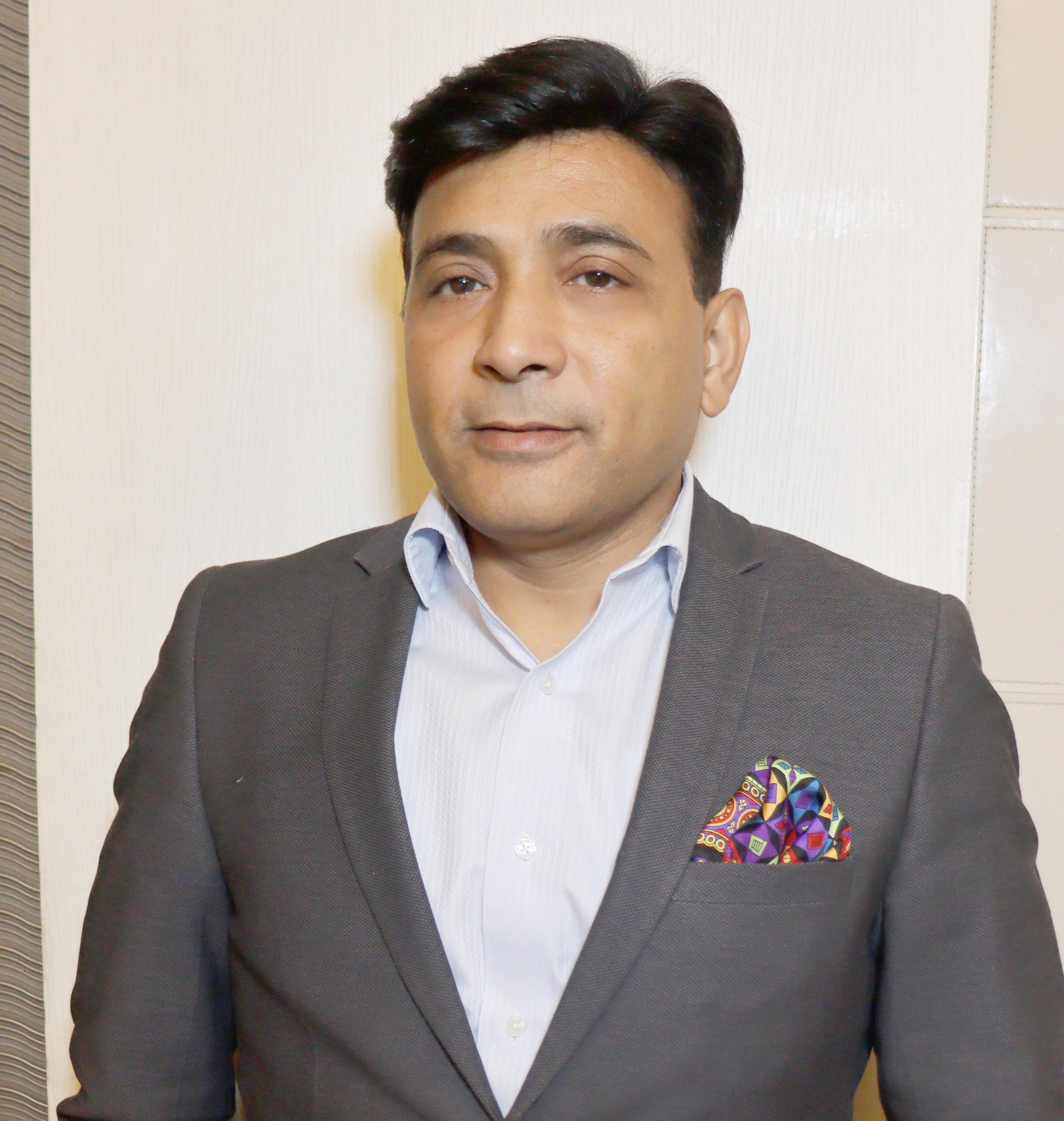
-Ravi Gosain, President,
Indian Association of Tour Operator (IATO)
Domestic tourism witnesses strong peak in 2025; expected to grow further in 2026
2025 has been a very good year for the country’s domestic tourism. Although there was some disruption following the Pahalgam terror incident and the subsequent Operation Sindoor, the situation recovered quickly. The last six months, particularly after the India-Pakistan tension subsided, have been quite strong for domestic travel.

The key factors driving domestic tourism include Government Support and Infrastructure. Significant support from the government and vastly improved infrastructure across the country have been key factors for domestic tourism growth. Moreover, the Ministry of Tourism's regular interaction with domestic tourism stakeholders, especially with ADTOI, the largest voice of domestic tourism, has been very helpful. State tourism boards are also aggressively focusing on domestic tourism by investing in infrastructure development and targeted tourism marketing.
As for 2026, I am confident that domestic tourism will continue its strong growth. This is due to several factors: India offers immense diversity in terms of culture, nature, and history, appealing strongly to domestic tourists. Travelling within the country offers Indian citizens a strong sense of comfort and safety, making domestic travel highly attractive. Additionally, the growing interest among Indian youth in exploring domestic destinations for holidays will further sustain and drive this growth.
-Ved Khanna, President,
Association of Domestic Tour Operators of India (ADTOI)
Experiential, adventure tourism booms in 2025; domestic travel to drive further growth in 2026
2025 has been a strong year for the Indian tourism sector, driven largely by booming domestic travel and a clear shift toward experiential, off-beat journeys. Travellers are seeking nature-based experiences, road trips, wellness escapes, and culture-plus-adventure combinations more than ever. Adventure tourism, in particular, has surged. Demand for trekking, rafting, cycling, paragliding, and soft-adventure activities is at an all-time high, backed by better connectivity, rising disposable incomes, and a younger, experience-hungry audience.
States are actively promoting adventure circuits, and operators are expanding capacity. However, safety standards, sustainability, and infrastructure in remote areas remain ongoing challenges.
2026 looks even more promising. Adventure travel is expected to grow further as more destinations open up, infrastructure improves, and travellers seek meaningful, outdoor-rich holidays. Our inclusive offerings for persons with disability are breaking new ground. The year will likely see greater diversification (mountain biking, snow adventures, eco-adventure stays), more state-led promotion, and a stronger push for safety, sustainability, and responsible travel practices. Adventure operators who combine authentic local experiences with high safety and environmental standards will define the next wave.
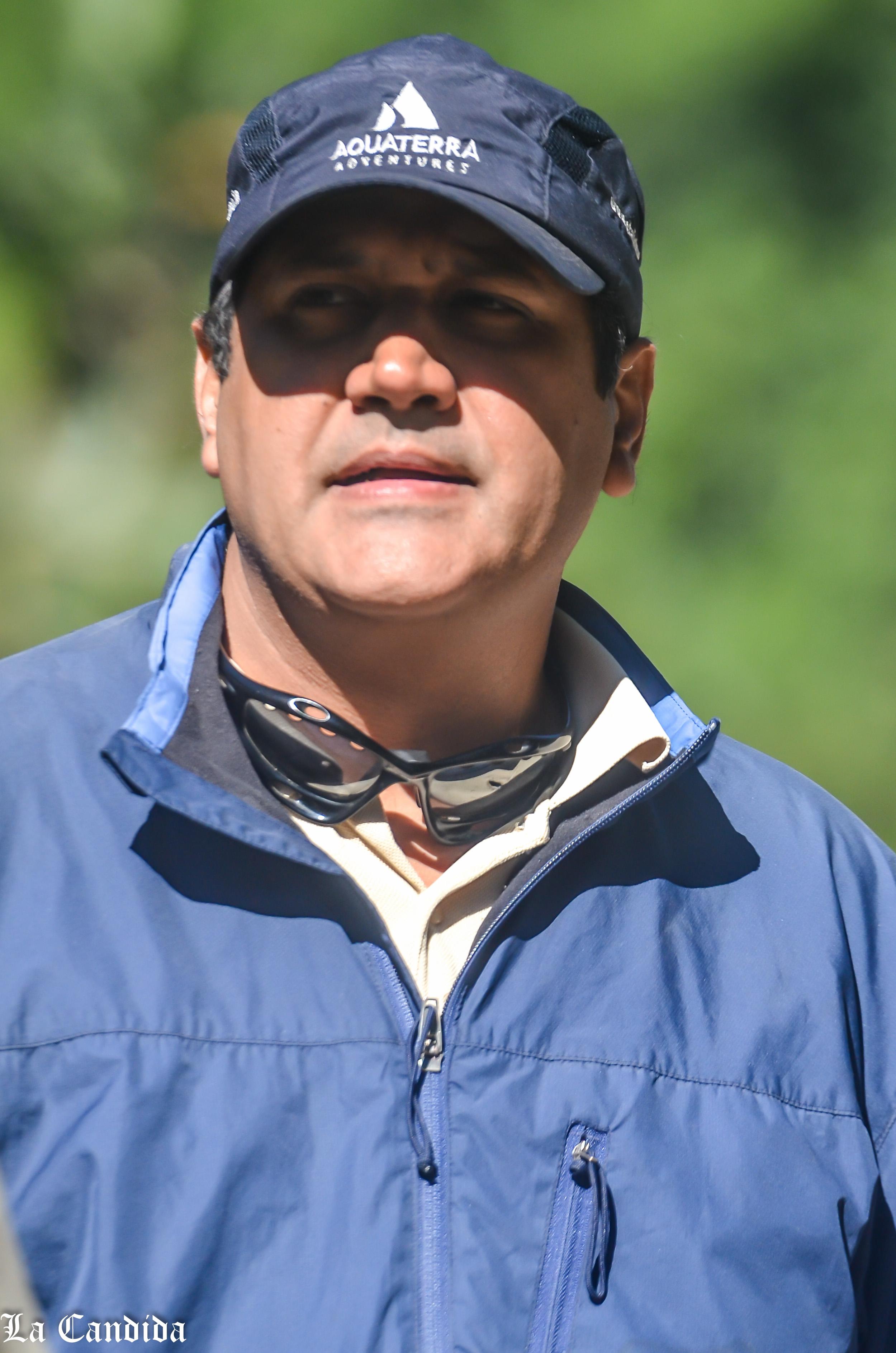
- Vaibhav Kala, Vice President,
Association of Adventure Tour Operators of India (ATOAI)
Tourist transporters struggled in 2025 amid restrained inbound, ITTA calls for equitable vehicle rules
2025 has been difficult for India's tourist transporters, mainly due to sluggish Inbound tourism. The low number of foreign travellers has worsened conditions for transporters serving the high-end inbound segment. Vehicles meant for high-comfort foreign tourists are being used for domestic tourism due to low demand. This mixed usage renders them less pristine and unfit for inbound tourists, who expect neat, clean, and fully-fit, comfortable vehicles.
I urge the government to adopt uniform rules and regulations for the same type of vehicles, eliminating discrimination between commercial and private vehicles. It is unfair that commercial vehicles, driven by trained and experienced drivers, are subjected to speed limits, while private vehicles are not. While there should be no compromise on road safety, these safety rules must apply equally to every equivalent vehicle, regardless of its commercial license status.
Looking ahead, I request policymakers to adopt a consultative approach when formulating policies and rules for the transport sector. Stakeholders must be consulted to ensure regulations do not create unnecessary problems for operators or hinder the ease of travel for tourists.
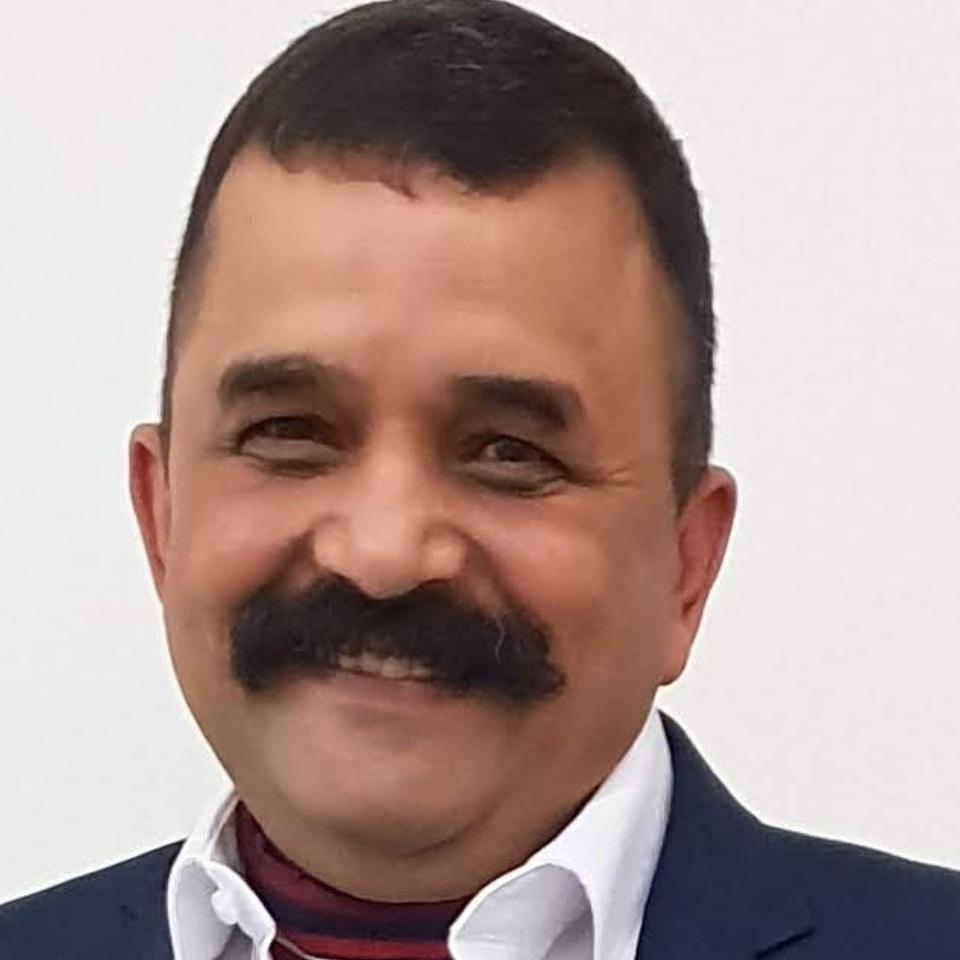
- Satish Sehrawat, President,
Indian Tourist Transport Association (ITTA)
MICE Tourism registers strong growth in 2025; 'Meet in India' initiative to drive MICE growth in 2026
MICE tourism in 2025 has seen strong growth. With infrastructure scaling, policy support, and increasing global interest, India is increasingly becoming a global MICE contender. MICE organisers are leveraging the country’s growing infrastructure, including convention centres, airports, high-speed trains, and hotels to attract global MICE events. India has also seen a continued strength in hybrid and virtual event formats.
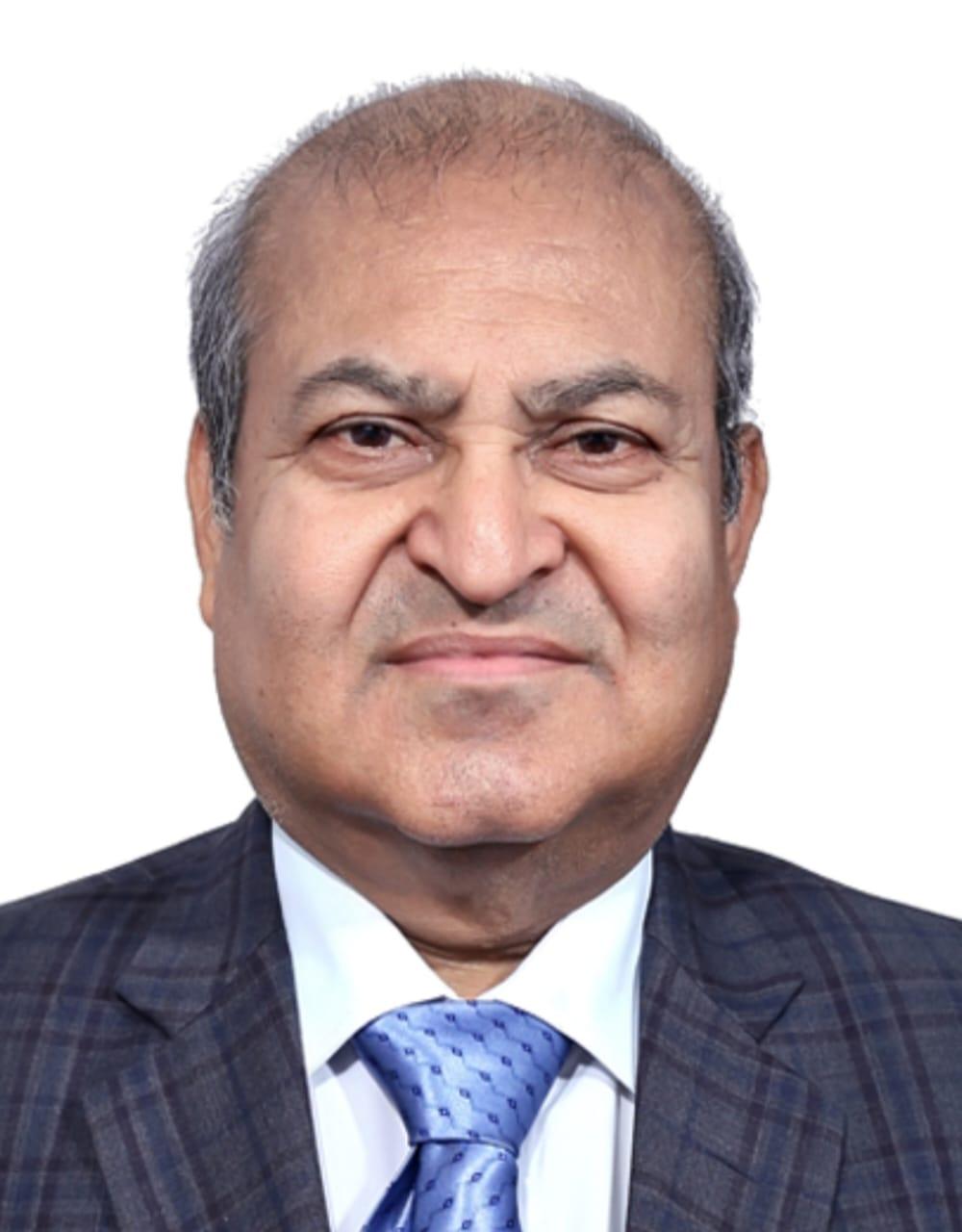
As an association, NIMA has seen a growth of 15 per cent in membership. One of the NIMA members operated a large corporate group of 3000 passengers to Sri Lanka.
The country is positioned to expand strongly in 2026. The Government of India has explicitly prioritized MICE within the Incredible India brand and launched a sub-brand ‘Meet in India’, while new flagship venues are providing world-class capacity. This commitment makes India a more visible option for large international associations and trade shows. Market forecasts and industry research point to high growth in India’s MICE market. 2026 will see 15–25 per cent growth in MICE-related economic activity versus 2025.
-Gajesh Girdhar, President,
Network of Indian MICE Agents (NIMA)
Policy changes to fuel river cruise boom in 2026
2025 has been an exceptional year for Antara Cruises. This year saw a significant stride in expanding our presence in the domestic segment. We launched Antara Events aboard MV Bengal Ganga and further strengthened our focus on showcasing the beauty of Bhitarkanika National Park, Odisha through our luxury catamaran expeditions, both of which have been key milestones. We have also achieved a major breakthrough by signing a contract with Hooghly Cochin Shipyard to build two 80-suite luxury vessels for the Brahmaputra.

In 2025, several key policy and regulatory shifts significantly strengthened India’s river-cruise ecosystem. Additionally, IWAI’s MoUs with various states and new river-tourism corridors provided designated stretches with assured infrastructure development.
2026 looks exceptionally promising, building on the strong momentum we experienced throughout 2025. River cruising remains a relatively new segment in India, yet interest has risen sharply this year. With more Indians seeking experiential and meaningful travel beyond traditional vacation circuits, we anticipate 2026 to be a pivotal year for river cruise tourism in India.
- Raj Singh,
Founder & Chairman, Antara Cruises
Indian Outbound Tourism Powers Through Volatility in 2025, Poised for a High-Value, Experience-Led Surge in 2026
India’s outbound tourism sector emerged resilient in 2025 despite geopolitical disruptions, regulatory hurdles such as TCS, and shifting market dynamics that challenged traditional travel agents. Short-haul travel thrived, long-haul demand gradually recovered, and destinations from Germany, Australia and Utah to Czechia, Jamaica and Abu Dhabi reported strong Indian growth.
Representation companies and tourism boards sharpened their focus on digital storytelling, premium travellers, and Tier-II/III markets, while industry bodies like TAAI and TAFI continued advocating for long-pending industry status. As preparations build for TAAI’s 75th year in 2026, the outlook is markedly optimistic: easing visas, improved connectivity, rising luxury demand and a decisive shift toward value-driven, experience-first travel are set to redefine India’s outbound momentum in the year ahead.
Mega event to mark TAAI’s 75th Year in 2026
2025 has been very good for TAAI as well as for our members. And as TAAI completes 75 years in 2026, we have already started the preparations to celebrate this milestone. We will organize a mega event in India to celebrate the 75th anniversary of TAAI. We will also organize various events across the length and breadth of the country.
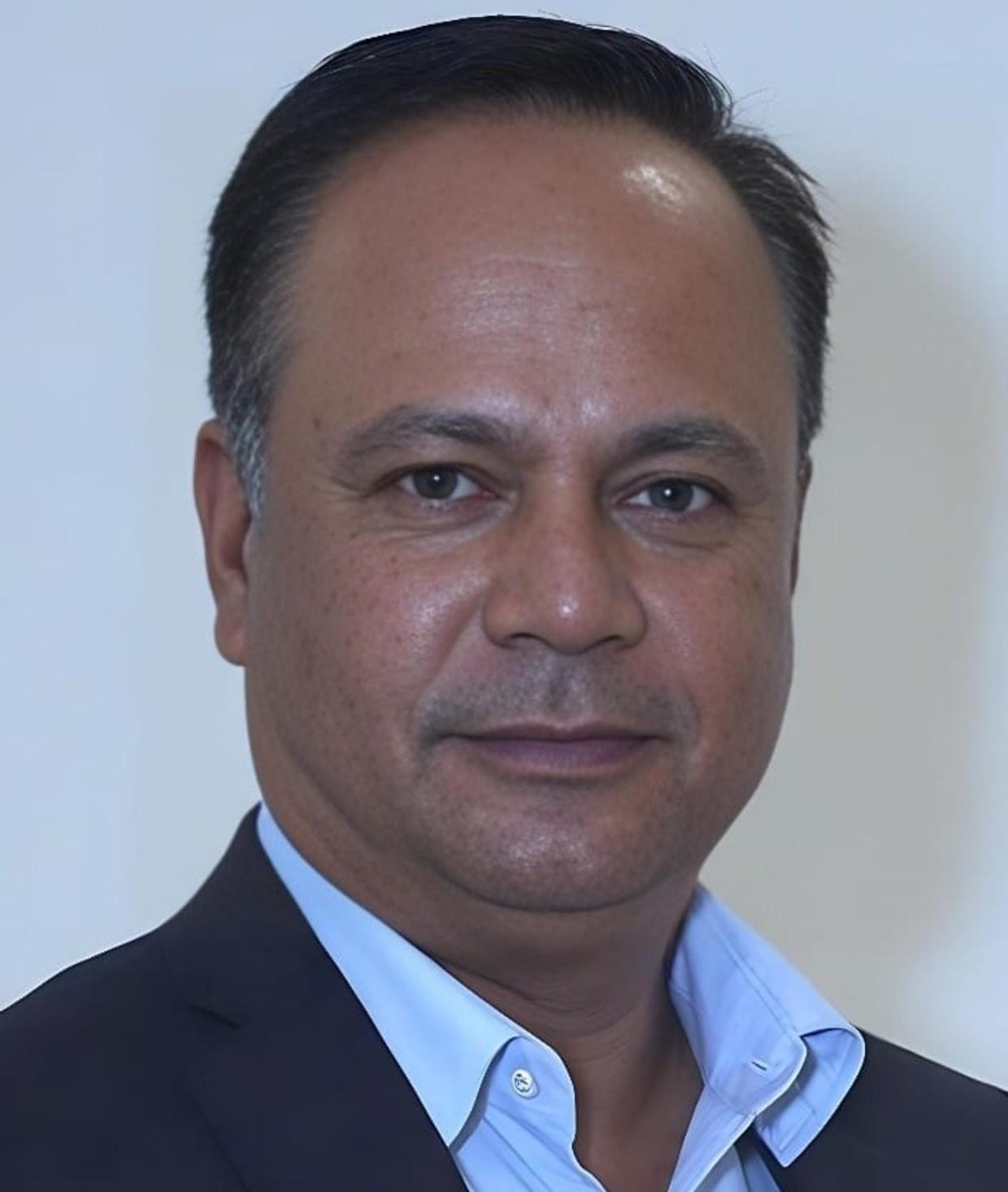
Moreover, we successfully held our annual convention in Abu Dhabi this year, which was well-received by our members and the travel and hospitality fraternity there. In 2025, we have also conducted various training programs for our members in association with National Tourism Organizations (NTOs).
The biggest challenge facing India’s travel and tourism industry is the want of industry status. The country's travel trade fraternity has been urging the government for this status for a long time. If the sector is granted industry status, its contribution to the economy will grow further and significantly. We hope that the government will seriously consider granting industry status to travel and tourism in the new year.
-Lokesh Bettaiah,
Vice President, Travel Agents Association of India (TAAI)
2026 augurs well for India outbound
In 2025, geopolitical turmoil following Operation Sindoor affected outbound travel from India for a couple of months. Moreover, ongoing geopolitical turmoil occurring in different parts of the world curtailed long-haul international travel. However, short-haul travel to destinations like Vietnam, Thailand, Singapore, and Dubai continued to attract Indians, as these places are considered safe and offer price-competitive options.
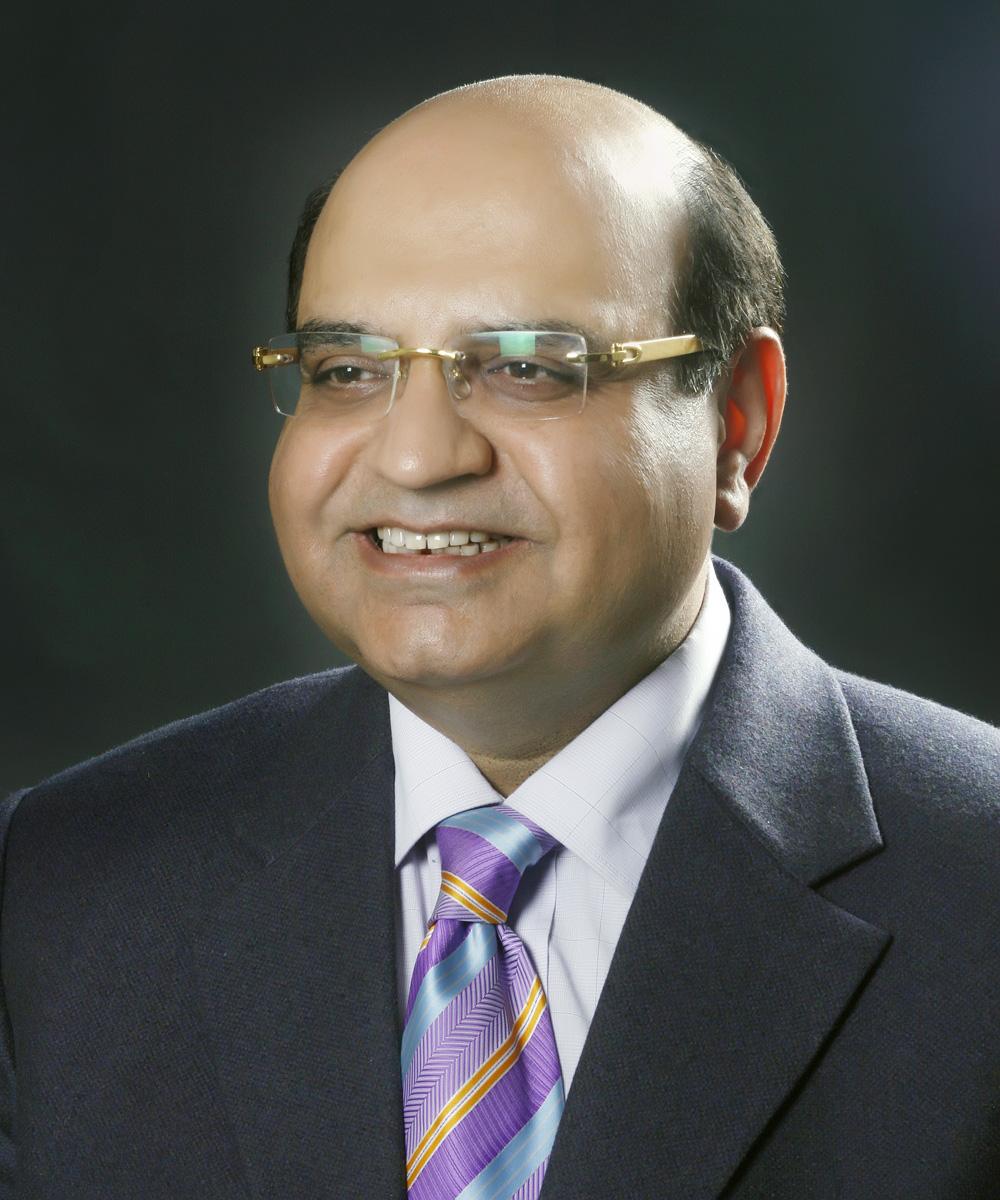
For travel agents, one of the key challenges is that remuneration kept decreasing as the market focus shifted increasingly towards online selling. The number of standard IATA agents is decreasing in India, which is a huge concern. While the travel business is growing in the country, the distribution landscape is undergoing a considerable change, posing a threat to the business of the traditional travel trade community.
However, 2026 augurs better for outbound travel amidst liberalised visa requirements for Indian travellers from countries like Thailand, Malaysia and others. Moreover, improved connectivity between India and countries in South East Asia, such as Indonesia, Vietnam, and Cambodia will also positively affect outbound travel in 2026.
-Anil Kalsi, Vice President,
Travel Agents Federation of India (TAFI)
Outbound stays strong despite volatility; TCS a major challenge for agents
The travel and tourism sector experienced major volatility in 2025. We saw significant downturns in travel, specifically due to ongoing geopolitical conflicts and the tragic Air India Ahmedabad Disaster.

In spite of these major issues, the Indian outbound industry has demonstrated remarkable resilience and sustained growth in the number of travellers. We remain optimistic that the major global and regional issues will be resolved soon, leading to a smoother and more stable flow of international travel in 2026.
A significant challenge faced by Indian travel agents relates to the Tax Collected at Source (TCS) regime. This regulatory issue still requires urgent resolution from the government, as the levy often makes international travel bookings made through registered domestic travel agents relatively more expensive than those made directly via foreign-based online channels. This pricing disparity results in a major shift of bookings toward direct/online platforms, effectively bypassing registered Indian agents. Consequently, the government may be losing potential revenue when payments for foreign hotels and online booking engines are made directly outside the regulated domestic financial system.
- Shravan Bhalla, Vice President,
Outbound Tour Operators Association of India (OTOAI)
GNTO drives strong demand; shifts 2026 focus to city life, culinary Germany
2025 has been a strong year for GNTO, India, with over 670,000 overnight stays by Indian visitors recorded by September 2025. This is only 1.8 per cent less compared to the same period in 2024. Germany remains among the top three European destinations for Indian travellers, who are also staying longer, with the average trip length increasing to 9.6 days.
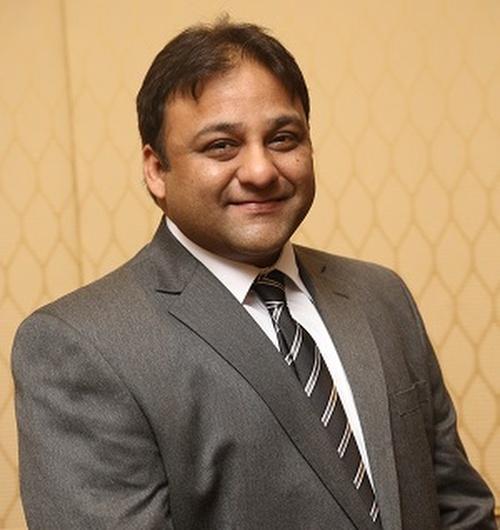
This year we focused on strengthening Germany’s appeal in India. This was done through promoting honeymoon and wedding travel by engaging celebrities visiting Germany to endorse the destination, robust digital marketing, including influencer partnerships and targeted social media campaigns, to keep Germany top-of-mind for Indian travellers, along with exclusive online activations and a successful four-city roadshow.
For 2026, GNTO India will focus on promoting City Life, showcasing Germany’s vibrant urban culture, iconic landmarks, and Culinary Germany. Moreover, GNTO India will also expand its storytelling around Honeymoon and Wedding Travel. Our 2026 target is a 5 to 7 per cent increase in visitor numbers over 2025.
- Romit Theophilus, Director,
The German National Tourist Office, India
Australia records 6% growth, continue to leverage authentic storytelling
2025 has been yet another successful year for Tourism Australia in India. Our strategy highlights high-impact campaigns, public relation initiatives, expanding trade and distribution partnerships, curating sought-after experiences, and leveraging advocacy programs.
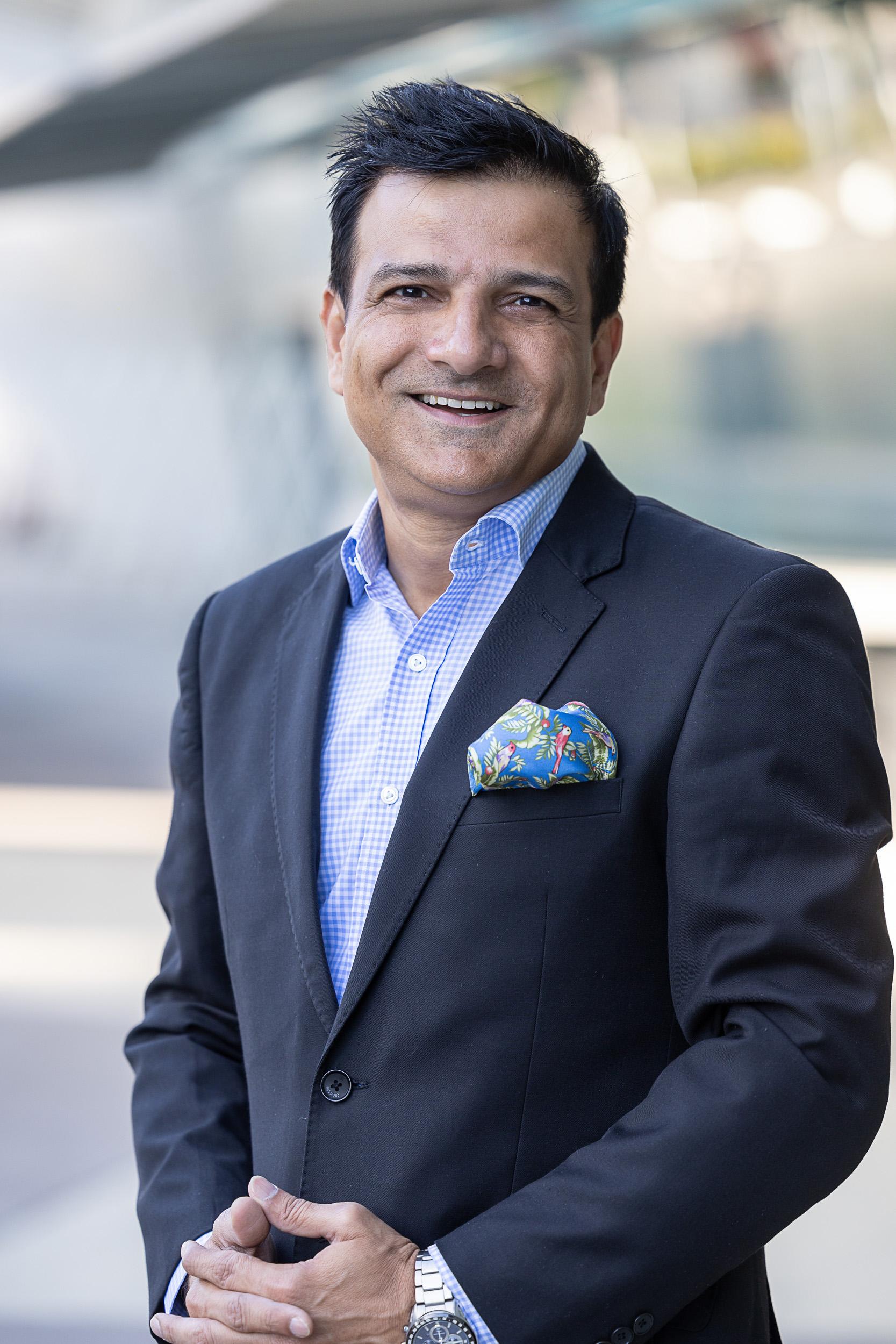
We started the year strongly by hosting 10 media professionals in Australia for the Australian Tourism Exchange 2025. Our flagship trade show: The Australia Marketplace India 2025 in Jaipur brought together over 200 Indian travel agents and Australian tourism operators. We also launched the next iteration of our Come & say G’day campaign featuring Sara Tendulkar on digital, social and out-of-home platforms. More recently, we hosted 12 well-known Indian celebrity influencers.
As of September 2025, arrivals from India reached a record 455,000, reflecting a 6 per cent year-on-year increase. With advocacy and authentic storytelling being the cornerstone of our marketings, Tourism Australia will continue to capitalise on the India opportunity through this approach. In 2026, our focus will be on strengthening destination appeal through sustained marketing and PR activity, enhanced advocacy, and deeper collaboration with partners.
-Nishant Kashikar, Country Manager - India & Gulf,
Tourism Australia
Malaysia received 1.3 million Indians in 2025 till October
2025 has been exceptionally fruitful for Tourism Malaysia, particularly in the Indian market. Our annual target for Indian tourist arrivals was set at 1.5 million, and as of October 2025, we have already achieved an impressive 1.3 million arrivals. This represents an impressive 19.1 per cent growth compared to the same period last year. In 2024, Malaysia welcomed 1,133,331 Indian tourists.

To strengthen our presence in the Indian market, Tourism Malaysia actively participated in a wide range of prominent travel trade events including SATTE and others, throughout the year. A significant part of our strategy involved close collaboration with airlines and travel agents. Through joint marketing campaigns, tactical promotions, and route-development discussions, we enhanced connectivity, increased visibility, and encouraged more travel to Malaysia.
We have already launched Visit Malaysia Year 2026. Under this campaign, Tourism Malaysia will implement an even more aggressive and targeted promotional strategy to strengthen Malaysia’s position as a preferred destination for Indian travellers. For 2026, we have set an ambitious yet achievable target of 2 million arrivals from India.
-Johanif Ali, Director - North & East India, Tourism Malaysia
Utah sees 5% YoY visitor growth; momentum expected to continue in 2026
2025 was an encouraging year for Utah in India. India remains one of our most important emerging markets, and we saw increased engagement from both our destination partners in Utah and our Indian travel partners. We had more DMOs participate in our partner opt-ins this year than before.

A key highlight of 2025 was our reverse sales mission, where we brought eight Indian buyers to Utah. This initiative was the first of its kind for our state, allowing the buyers to experience the state firsthand, meet with local partners, and gain a deeper understanding of why Utah resonates so strongly with Indian travellers.
With the available preliminary numbers for 2025, Utah welcomed approximately 17.8 thousand Indian visitors, an increase of nearly 5 per cent YOY. Utah continues to rank among the top 10 US destinations for Indians, and this momentum is expected to continue in 2026. Our outlook for the Indian market is overwhelmingly positive. We see sustained demand, strong trade relationships, and significant opportunity to deepen Utah’s presence in the market.
-Tera Atwood, Global Markets Manager,
Utah Office of Tourism
Strategic shift to high-yield luxury and tier-II/III markets drives success despite uncertainties
2025 started off extremely well for us, but it quickly turned into a roller-coaster year with the various global uncertainties unfolding. Despite these challenges, our strategic shift over the past few years, from focusing on sheer volumes to prioritizing high-yield luxury segments and strengthening our presence in Tier II & III cities, has proved to be one of our biggest success stories.
Our deliberate move into premium, experience-driven travel positioned Global Destinations to capture stronger margins and more resilient traveller segments. At the same time, our consistent efforts to nurture and develop Tier-II and III markets paid off significantly. To sustain and accelerate this momentum, we continued investing heavily in these ‘new’ markets. This included participation in regional trade shows, focused destination presentations, and targeted sales visits to deepen relationships with travel partners in those cities.
We see 2026 as another challenging year, with global uncertainties, from tariffs to regional conflicts, continuing to impact our industry. However, Indian outbound travel remains resilient, and travel demand shows no signs of slowing down.
-Pranav Kapadia
Founder & Director, Global Destinations
Jamaica positions itself as a premium destination in India; anticipates significant growth in 2026
2025 has been a transformative year for us in India. We approached the market with aggressive re-engagement and a clear strategic vision, identifying India as a priority emerging market essential to JTB’s global goal of 5 million visitors. Our focus this year shifted from generating general awareness to positioning Jamaica as a premium destination for the discerning Indian traveller. We executed this through a three-pillared strategy: Strategic Campaigns, Deepening Trade Ties and Enhancing Connectivity.
In 2025, we have observed a consistent growth in interest and travel from the Indian market this year. Overall, Jamaica is projected to conclude 2025 with 4.3 million visitor arrivals, a 2.7 per cent increase over 2024, and US$4.6 billion in earnings, representing a strong 7.1 per cent growth from the previous year.
Our outlook for the Indian market in 2026 is highly optimistic and central to the strategic growth of Destination Jamaica. We anticipate a significant acceleration in arrivals. Our 2026 strategy is therefore focused on deepening trade education and cementing Jamaica’s position as a premium, long-haul destination.
-Simeron Ghei, Associate Director at TRAC,
Jamaica Tourist Board
Indian luxury traveller demands curated experiences; experience-first travel to lead 2026
2025 has been one of the most transformative years for One Rep Global, marked by significant portfolio expansion, enhanced capabilities, and strong outcomes for our partners. We strengthened our global footprint with several high-impact signings. A major milestone this year was our recognition under the Stanford SEED programme.

India’s outbound luxury traveller continued to evolve rapidly in 2025, creating demand for curated experiences, new destination awareness, and deeper trade engagement. We successfully leveraged these shifts to drive measurable impact through sales conversions, media visibility, and digital-first storytelling. Challenges did exist, particularly fluctuating demand due to geopolitical disruptions, however, our diversified portfolio and strong trade relationships allowed us to navigate these uncertainties successfully.
2026 will be a strong year for the Indian outbound, driven by rising aspirations, improving connectivity and a growing preference for curated luxury experiences. Indian travellers are rapidly evolving, and travel decisions are being shaped by the desire for deeper, more meaningful engagement with destinations. Experience-first travel will take centrestage as travellers are no longer looking for sightseeing alone.
-Hemant Mediratta, Founder & CEO,
One Rep Global
Value over volume: precision and purpose to define Indian outbound market in 2026
2025 has been a year of strategic and focused growth for BRANDit. Moving beyond simple representation, we built deeper partnerships. A large part of our success this year has come from high-value B2B engagement leading to bookings and campaigns.

With new air routes and increased capacity to some destinations, we didn't just track seat; we worked towards training our trade partners and pushing the right kind of content to fuel consumer desire to fill those seats. The challenge, as always, was staying ahead of the sentiment shift as traveller expectations are being rewritten fast.
Looking ahead, purpose and precision will define travel in 2026. As the Indian outbound market is maturing rapidly, it's no longer just about volume; it's about value. We see strong demand, fuelled by tier-II and tier-III cities and a generation seeking niche experiences. The outlook for 2026 is exceptionally positive for destinations ready to evolve. Those who invest in relevant storytelling and build genuine partnerships with the Indian trade will capture a fair share of the market.
-Lubaina Sheerazi, CEO and Co-founder,
BRANDit
Outlook for destination representation sector in 2026 is highly positive
2025 has been an exceptional year for Heavens Portfolio as we proudly celebrated our 20th anniversary. This milestone gave us the opportunity to reflect on two decades of growth, strong industry relationships and our continued commitment to excellence.

One of our most notable achievements this year was our strategic expansion into Europe and Australia. These new markets have opened up exciting opportunities to strengthen our footprint and better serve our clients. In 2025, we enhanced representation services through strengthened digital marketing support and more targeted, localized sales and PR strategies tailored to each market. We also organized a series of high-impact roadshows and bespoke networking events across Asia and the GCC to elevate market visibility for our partners.
The outlook for the destination representation sector in 2026 is highly positive, supported by strong recovery in global travel and expanding outbound tourism from key markets such as India, Southeast Asia and the Middle East. As demand for curated, high-quality international travel experiences rises, representation companies stand to benefit significantly.
-Christine Galle-Luczak
Founder & CEO, Heavens Portfolio
Abu Dhabi sees 26% growth in Indian hotel guests; new cultural attractions boost 2026
In 2025, we have further advanced our relationship with the Indian market through direct engagement with the travel trade. A key activity was hosting the 68th TAAI Convention & Exhibition in Abu Dhabi. This was complemented by multi-city roadshows across India. We also hosted familiarisation trips for travel trade representatives and journalists. Our trade engagement was supported by consumer campaigns featuring Experience Abu Dhabi brand ambassadors Ranveer Singh and Deepika Padukone.

Our results for 2025 show clear growth and reflect demand for Abu Dhabi. Year-to-date September 2025, we welcomed 295,000 hotel guests from India, which is a 26 per cent increase compared to the same period in 2024.
Our outlook for 2026 is positive. Building on this year's momentum, the travel trade will have new world-class institutions in Saadiyat Cultural District Abu Dhabi and recently reopened attractions to build itineraries around. The recently opened Natural History Museum Abu Dhabi features some of the rarest natural specimens found on planet Earth, and Zayed National Museum, the national museum of the UAE, opens on 3 December. We are also excited about the re-opened Al Ain Museum as a significant cultural draw.
-Abdulla Yousuf,
Director of International Operations at DCT Abu Dhabi
Czechia expands appeal beyond Prague in 2025; to focus strongly on wine, wellness, and culture in 2026
India continues to be among our key long-haul markets. This year we focused on shifting the narrative beyond Prague and encouraging deeper discovery of Czechia. We witnessed growing interest from both trade partners and travellers in regions such as Karlovy Vary, South Bohemia with Český Krumlov, and especially South Moravia, known for its wine culture and countryside experiences.

Interest in spa and wellness tourism, heritage exploration, and cultural itineraries also strengthened. A significant highlight for us in India this year was Czechia being recognised as the Emerging Tourism Destination – Europe at the ITCTA Awards. Through regular trade interactions across major Indian cities, we showcased Czechia’s unique experiences.
As per the latest data from the CzechTourism Tourdata system, India recorded 66,900+ arrivals to Czechia from Q1 to Q3 in 2025, resulting in 163,886 overnight stays and an average stay duration of 3.45 nights. We are seeing increased visitation to regions beyond Prague.
We are optimistic that 2026 will be a year of continued expansion and engagement. Our focus will remain on positioning Czechia beyond Prague. Weddings, MICE travel, gastronomy, long-stay experiential trips, and wine tourism will continue to be our priority segments.
-Barbara Andelova
International Marketing Manager – New Markets, CzechTourism
Acquisition of Think Strawberries by MMGY marks major milestone for it
2025 has been a breakthrough year for Think Strawberries. Our acquisition by MMGY Global marked a defining milestone, aligning us with one of the world’s most influential travel and hospitality marketing networks. This partnership has expanded our global reach, unlocked new capabilities, and empowered us to deliver deeper, more transformative impact for destinations worldwide.

Our strategies have delivered exceptional outcomes throughout the year. Arrivals across all the destinations we represent have seen significant growth. 2025 also brought its share of challenges, from evolving market dynamics to increasing competitiveness. But each challenge strengthened our resilience and pushed us to innovate faster and think bigger.
We strengthened our digital and marketing ecosystem by adopting more data-led insights, enhancing our social and content strategies, and developing campaigns that reflect evolving traveller motivations. Our trade marketing and PR strategies have also shown great results, with exceptional outcomes. We expect 2026 to see a significant shift toward storytelling-led destination marketing, digital-first campaigns, and niche-segment growth, including luxury, experiential, adventure, and family travel. Representation agencies that combine creativity, strong trade networks, and data-led strategy will have a distinct advantage.
-Munnmunn Marwah
COO, MMGY Think Strawberries
Hotel sector shows strong growth in 2025, policy reform would be key to future growth
India’s hotel sector entered 2025 with renewed momentum, marked by strong domestic travel, rising occupancies and sustained ADR and RevPAR growth. Tier-II and Tier-III destinations emerged as breakout performers, fuelled by improved connectivity, experiential travel demand and expanding middle-class spending. Mid-market brands and boutique resorts alike demonstrated resilience, while upscale and luxury investments signalled long-term confidence. Yet, industry leaders highlighted key policy bottlenecks, from GST reforms to infrastructure status, that continue to constrain the sector’s full potential.
Across hotel companies, 2025 was a year of consolidation, expansion and innovation. Looking ahead to 2026, the outlook remains highly optimistic. Stakeholders expect disciplined growth, deeper guest engagement, stronger sustainability and technology adoption, and sharper differentiation as India positions itself as a year-round, globally competitive tourism destination.
Policy reform can unlock the full potential of the sector
2025 has been a period of renewed progress and emerging opportunities for India’s hotel industry. Domestic and international tourism continued to show encouraging signs of recovery. As the sector engaged with policymakers, structural changes to the GST framework presented tremendous scope for improvement, offering a chance to create a more enabling and growth-friendly environment.

Mid-segment and smaller establishments displayed commendable resilience and adaptability. Importantly, investment in upscale and luxury properties continued to rise throughout the year, reflecting strong investor confidence.
Looking ahead to 2026, the focus for the hotel industry is on creating a predictable and equitable environment that encourages investment, improves profitability, and drives employment. Key priorities include delinking F&B GST from room tariffs, restoring ITC benefits, and regularising past GST disputes. Infrastructure status for hotels, streamlined licensing, and targeted support for emerging destinations can unlock the full potential of the sector. Strengthening domestic tourism beyond metro cities, expanding air connectivity, and supporting green initiatives will make India a globally competitive, year-round tourism destination.
-Surendra Kumar Jaiswal, President,
Federation of Hotels and Restaurants Association of India (FHRAI)
A standout trend in 2025 was the rise of Tier-II and Tier-III destinations
2025 was a defining year for India’s hospitality sector, signalling a clear shift from post-pandemic recovery to long-term structural growth. Branded hotels sustained strong performance with occupancy stabilising at around 68 per cent, supported by healthy Average Daily Rate (ADR) and Revenue Per Available Room (RevPAR) expansion. Domestic leisure remained the key engine of demand, reinforced by India’s maturing weekend-getaway culture, improved regional connectivity, and a strong preference for experiential holidays.
A standout trend in 2025 was the rise of Tier-II and Tier-III destinations. Cities like Udaipur, Coorg, Ooty, Mahabaleshwar, Port Blair, and pockets of Himachal and Uttarakhand saw double-digit growth, driven by road-trip culture, family travel, and aspirational middle-class spending. The domestic travel base widened dramatically, boosted by India’s 2,948 million domestic tourist visits, a figure that has grown consistently year-on-year.
As we look toward 2026, the sector enters a phase that will be defined more by differentiation than by pure demand growth. Industry forecasts point to 6 to 8 per cent revenue growth, but the value will lie in experience, not inventory.
-Vikram Lalvani, Chairman,
All India Resort Development Association (AIRDA)
Sarovar’s key goal: to accelerate growth in Tier-II & III markets
2025 has been a strong year for Sarovar Hotels. We continued to build momentum with expansion across both leisure and business destinations, adding new properties in high-potential cities such as Sindhudurg, Kota, Alwar, Pathankot and Hanumangarh. A major milestone in 2025 was the opening of our third owned hotel in Sriperumbudur.
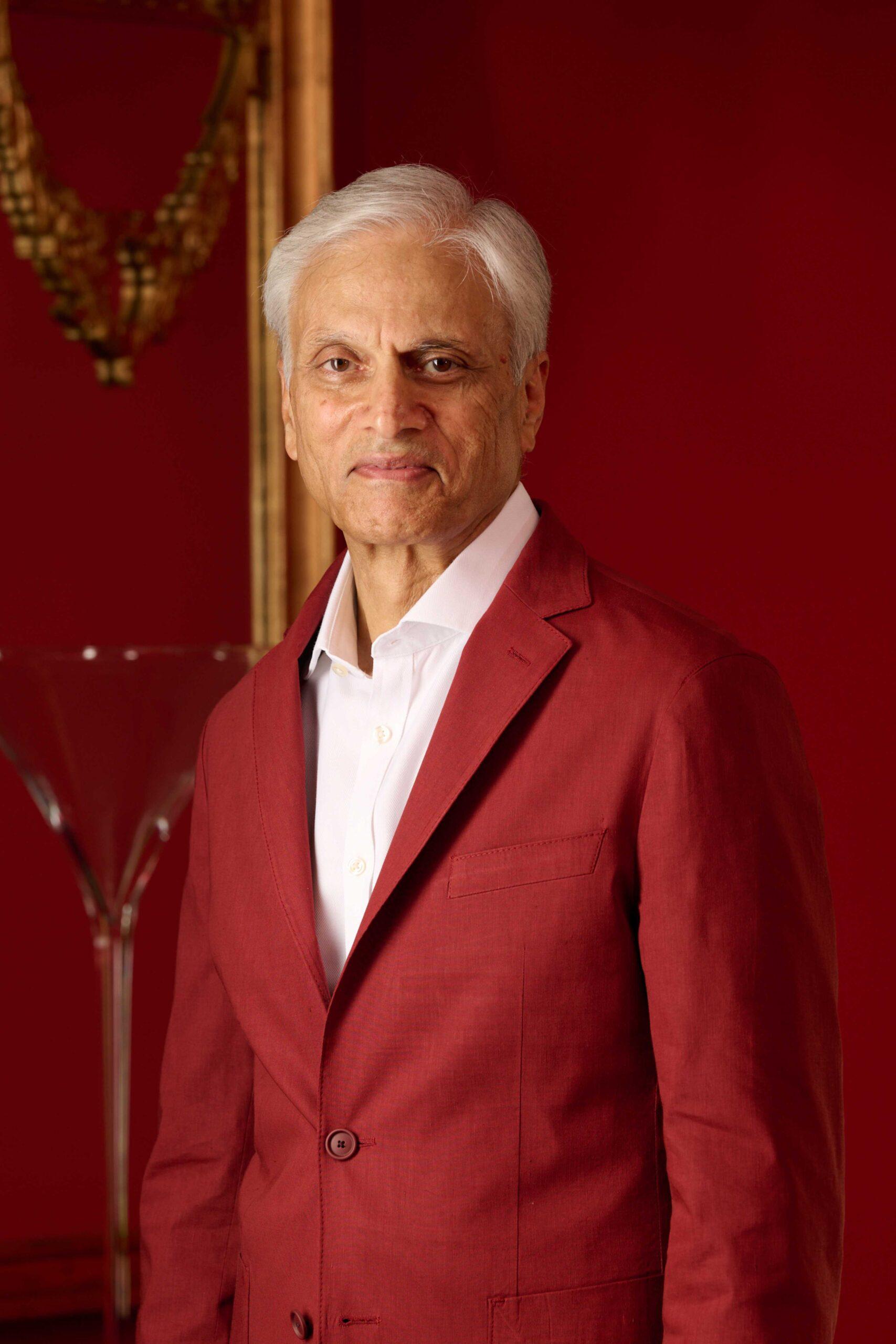
Operationally, our hotels delivered healthy occupancies and improved ARR performance, supported by rising demand and our ongoing emphasis on service excellence. Overall, 2025 has reinforced Sarovar’s position as one of India’s most trusted and future-ready mid-market hospitality brands.
In 2026, our strategy will revolve around sustainable expansion, operational excellence, and stronger stakeholder value. Our key goal is to accelerate growth in underpenetrated Tier-II and Tier-III markets. We also aim to deepen the presence of our core brands, Sarovar Premiere, Sarovar Portico, Hometel, Royal Tulip, Golden Tulip and Tulip Inn, while pursuing an asset-light development model. In essence, 2026 will be about disciplined growth, sharper brand positioning, and delivering exceptional guest experiences at scale.
-Ajay K. Bakaya, Chairman,
Sarovar Hotels & Director, Louvre Hotels India
2025: a year of consolidation, innovation, and expansion for Swosti Group
For Swosti Group, 2025 has been a year of consolidation, innovation, and expansion. In 2024, we had opened our landmark beachfront property, Swosti Premium Beach Resorts at Puri. The resort quickly emerged as a preferred destination for leisure travellers, pilgrims, MICE events, and weddings.
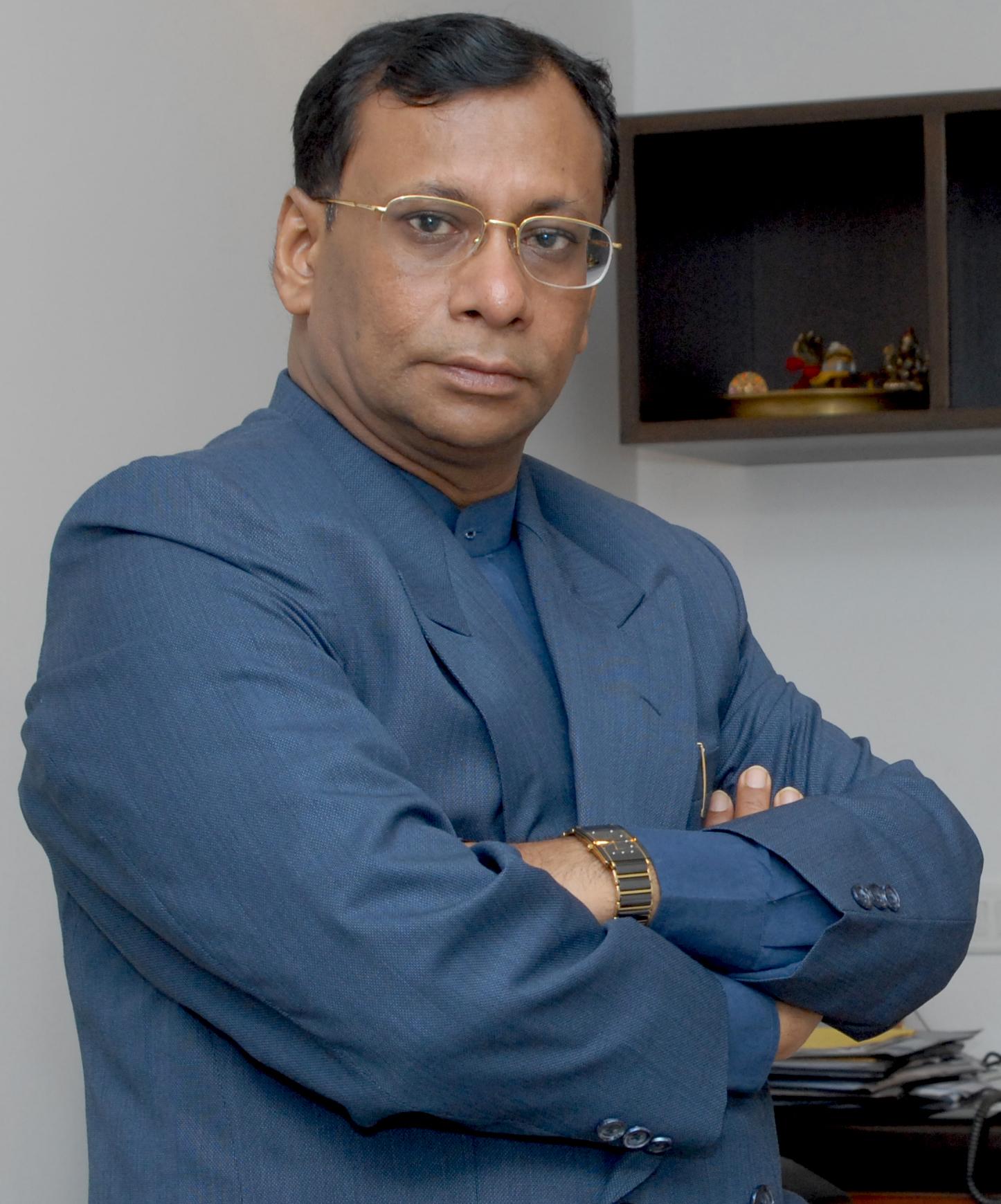
Looking ahead to 2026, our next wave of growth will be driven by integrated tourism development zones, cruise and coastal tourism, and enhancement of domestic and international flights. This will elevate Odisha’s global visibility. Swosti Group is also embarking on an exciting new venture by developing a luxury 5-star resort, ‘Gopalpur Palm Resort,’ at Gopalpur, Ganjam, Odisha. This upcoming project will create world-class tourism infrastructure along Odisha’s pristine coastline, strengthening the state’s position as an emerging premium destination.
India’s hotel sector has robust performance in 2025, supported by increasing travel and better air connectivity. More brands are expanding into non-metro cities. With government support and improved infrastructure, overall industry confidence has grown. As we approach 2026, the outlook continues to be very positive.
-Dr. J K Mohanty, CMD,
Swosti Group
2026 will witness a gentle metamorphosis of our brand
2025 has been a remarkably successful year for us. We initiated the development of our upcoming Roseate property in Jewar near Noida International Airport. We also introduced Roseate Coffee, our very own signature coffee brand. This year also marked the launch of our comprehensive internship programme, along with the rollout of our new employee learning and development app that is set to go live in January.
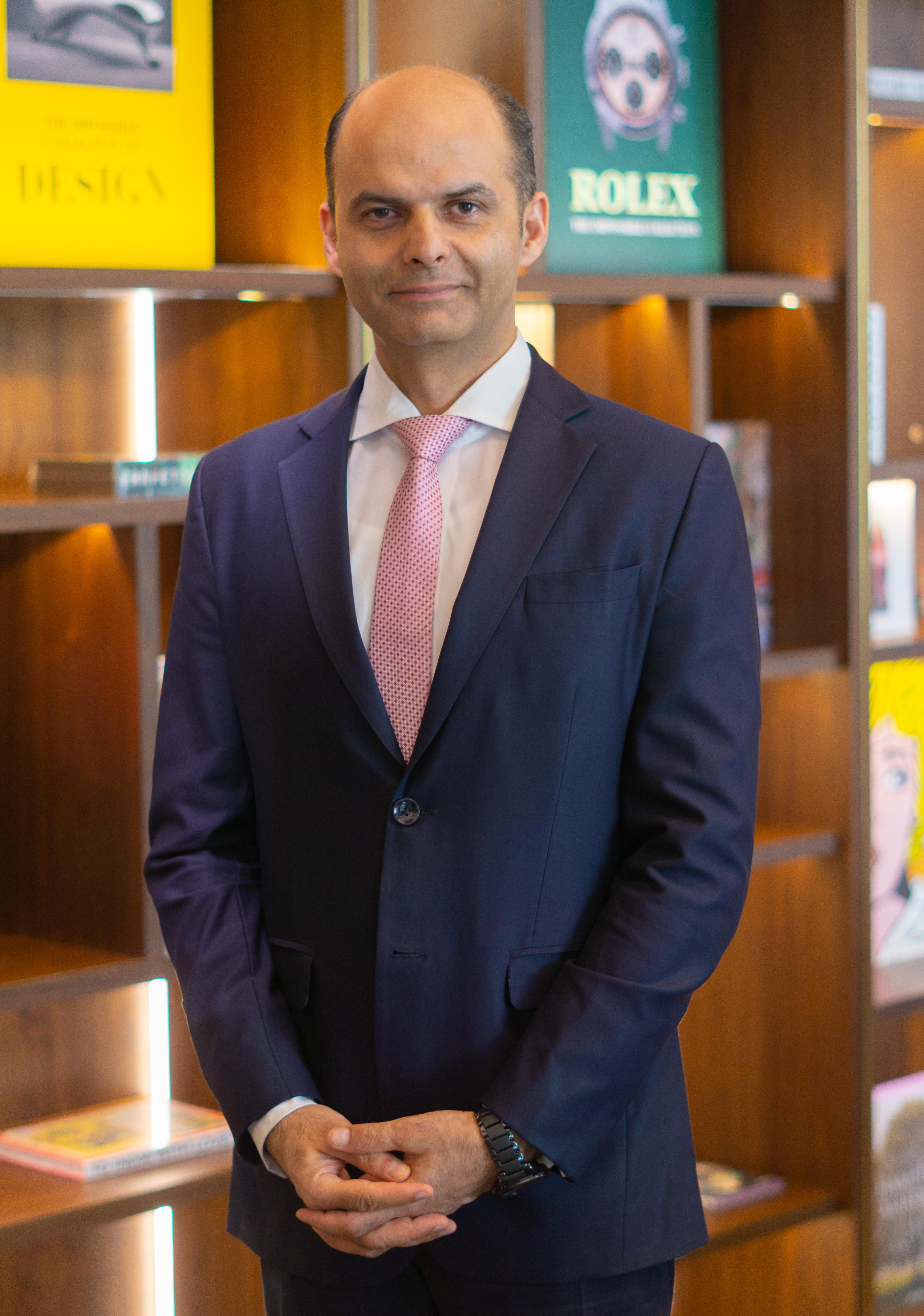
As we look ahead to 2026, our vision is to strengthen our position as the market leader by creating experiences that truly resonate with our guests and by nurturing teams who feel proud, empowered, and inspired every day. We aim to elevate guest engagement through deeper personal connections, thoughtful details, and innovations making travel more seamless and memorable. At the heart of our strategy is people, investing in our teams, expanding trainings initiatives, and fostering a culture where passion and purpose drive everything we do. We will continue to lead with innovation, embracing new technologies and intelligent solutions. 2026 will witness a gentle metamorphosis of our brand.
-Kush Kapoor, CEO,
Roseate Hotels & Resorts
2025 has been an amazing year for The Postcard Hotel
Despite all geopolitical challenges, 2025 has been an amazing year for The Postcard Hotel. The brand grew significantly in both domestic and international destinations in India, Bhutan and Sri Lanka. One of our key achievements in 2025 was the opening of two exceptional Postcard propertiess, one in the 1,400-acre Durrung Tea Estate in Assam and another at 11,500 ft in Leh, set amidst 13 acres of Himalayan willows.
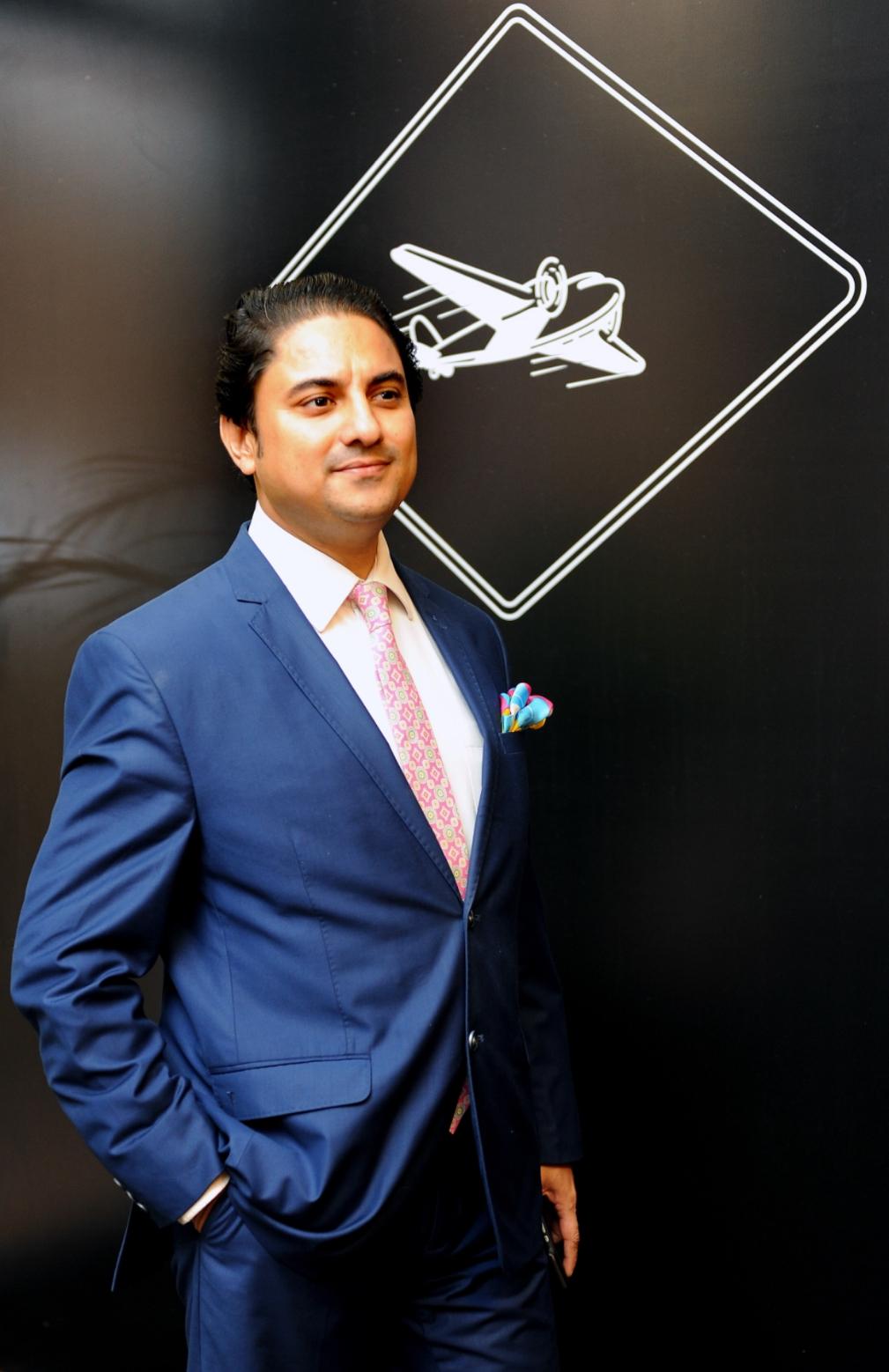
Another key milestone in the success of the brand is reflected in The Postcard Hotel once again being named Asia’s Leading Boutique Hotel Brand at the World Travel Awards Asia & Oceania Gala Ceremony 2025.
As regards plans for 2026, we will be opening seven hotels in the next 12 months. They are: The Postcard Tirupati, The Postcard Kanha Tiger Reserve, The Postcard Chicalim, South Goa, The Postcard on the Rapti River, Chitwan, Nepal, The Postcard Jawai, Rajasthan, The Postcard on the Mandovi River, Goa, and The Postcard Nainital, Uttarakhand. In addition to the above, we have 21 hotels currently under various stages of construction.
-Anirudh Kandpal, Co-Founder & Senior Vice President - Sales & Development,
The Postcard Hotel
2026 will be about disciplined growth, elevated experience design and deeper partnerships
2025 has been a transformative year for Cygnett, marked by strong performance and strategic milestones. Our hotels have performed above expectations, with ARRs at an all-time high and occupancies meeting or surpassing projected levels.

A major highlight has been our expansion of the Anamore upscale brand, with six Anamore and Anamore Registry Collection hotels signed. Besides, our core Cygnett brands continued their growth story. We also expanded our footprints in the Northeast, with signings in Guwahati, Itanagar, and Sonapur. Moreover, Cygnett also made solid entries into new markets.
As we look ahead, our strategies are centred on building a more distinctly positioned hospitality company by accelerating our expansion across India’s promising markets, especially Tier-I and Tier-II cities.
A major priority for 2026 is enhancing the guest experience. Overall, 2026 will be about disciplined growth and deeper partnerships. 2025 saw occupancies at around 68–70 per cent and a healthy rise in ADR and RevPAR. 2026 is expected to build on this strength.
-Sarbendra Sarkar,
Founder & MD, Cygnett Hotels & Resorts
WelcomHeritage focuses on experiential value and resilience amidst multiple headwinds
2025 has been a rewarding year and presented opportunities to evolve for WelcomHeritage. While expanding our portfolio and elevating guest experiences, the year also brought external challenges. At the same time, shifting geopolitical dynamics and cautious international travel patterns affected the industry’s performance.

Despite these headwinds, the year remained highly productive. We deepened the experiential value of our existing properties through wellness-led offerings, curated local engagements, and improved MICE capabilities at strategic locations. Two key openings, WelcomHeritage Arka Resort and WelcomHeritage Akashganga Heritage Hills Resort & Spa (opening soon), expanded our reach. Several new projects launched in 2025 are progressing steadily and will take shape in 2026.
Our roadmap for 2026 is guided by stability, sustainability, and selective expansion. We aim to consolidate our presence in high-demand leisure corridors while entering promising tier-II circuits. A major priority will be enhancing property resilience through better infrastructure planning, contingency protocols, and guest experience continuity in the face of weather-related disruptions.
-Abhishek Bhattacharya, Head Sales,
WelcomHeritage Hotels
Lords opened nine new properties across India and Nepal in 2025
Lord Hotels and Resorts marked significant growth in 2025 with the opening of nine new properties at strategic locations across India in Karnataka, Gujarat, Maharashtra, Himachal Pradesh, and Chitwan in Nepal. Moreover, we implemented a new digital booking platform, enhancing the guest experience and online engagement. Our achievements this year have been recognized with industry awards, reinforcing our commitment to excellence in hospitality, sustainability, and innovation.

In 2026, we will focus on enhancing product innovation, improving customer experience, and expanding market reach. Key priorities will encompass investments in sustainable practices, strengthening digital capabilities, and cultivating strategic partnerships. The overarching strategy will involve the utilization of data analytics to informed decision-making, the prioritization of customer feedback, and the alignment of resources to drive operational efficiency.
In 2025, India's hotel industry has undergone a notable recovery and expansion, propelled by the resurgence of both domestic and international tourism. In 2026, the industry is anticipated to prioritize sustainability initiatives, engage in AI driven advanced tech integrations to enhance guest experiences, and explore opportunities in untapped markets.
-Sudhir Kumar Jena, Corporate Vice President,
Lords Hotels and Resorts