Reimagining Incredible India
India’s tourism potential is widely acknowledged, yet its global performance tells a different story. Industry gathers for a candid discussion at SATTE 2026 spotlighting why the Brand India needs more than just the nostalgia. Full report & our March 2026 Cover Story here:
More than two decades ago, India launched what is widely regarded as one of the most successful destination branding campaigns in global tourism. Introduced in 2002 by the Ministry of Tourism, the Incredible India campaign fundamentally reshaped the country’s global tourism image, repositioning India from an often-misunderstood destination into a compelling, aspirational travel experience rooted in culture, heritage and diversity.
In the years that followed, the impact was immediate and measurable. At the turn of the millennium, India was receiving just 2.38 million foreign tourist arrivals (FTAs) in 2002. Within a decade of the campaign’s launch, arrivals had more than tripled to 6.97 million in 2013, reflecting a period of sustained double-digit growth.
However, more than two decades after its launch, the momentum of India’s inbound tourism story appears to have slowed. While the country has made significant strides in domestic tourism, recording over 2.3 billion domestic tourist visits in 2023, foreign arrivals struggled to regain their earlier trajectory. By 2019, India recorded a historic high of 10.93 million foreign tourists, before the pandemic disrupted global travel. By 2024, FTAs to India stood at 9.95 million, a shortfall of 8.95% compared to 2019, as per the MoT data.
The contrast becomes even sharper when viewed against competing Asian destinations. Thailand welcomed over 35.5 million international tourists in 2024, more than three times India’s inbound numbers, while Vietnam crossed 21 million visitors in 2025, nearly double India’s expected arrivals. Singapore, despite its small geographic size, showed steady growth, with 16.9 million international visitor arrivals in 2025, while Dubai alone recorded 18.7 million international visitors in 2024 and over 19 million in 2025. By comparison, India—despite its scale, diversity and civilisational heritage, continues to hover around the 10 million foreign tourist mark, highlighting the widening gap between the country’s tourism potential and its global market share.
For a country that positions itself as one of the world’s most diverse destinations, the numbers raise an uncomfortable question: why does India continue to underperform in global tourism? Industry stakeholders increasingly point to limited global promotion, lack of a unified strategy and inadequate funding as key constraints preventing the country from realising its full tourism potential. This further triggered a deeper industry introspection: has Incredible India lost momentum, or does the brand simply need reinvention for a dramatically different global travel landscape?
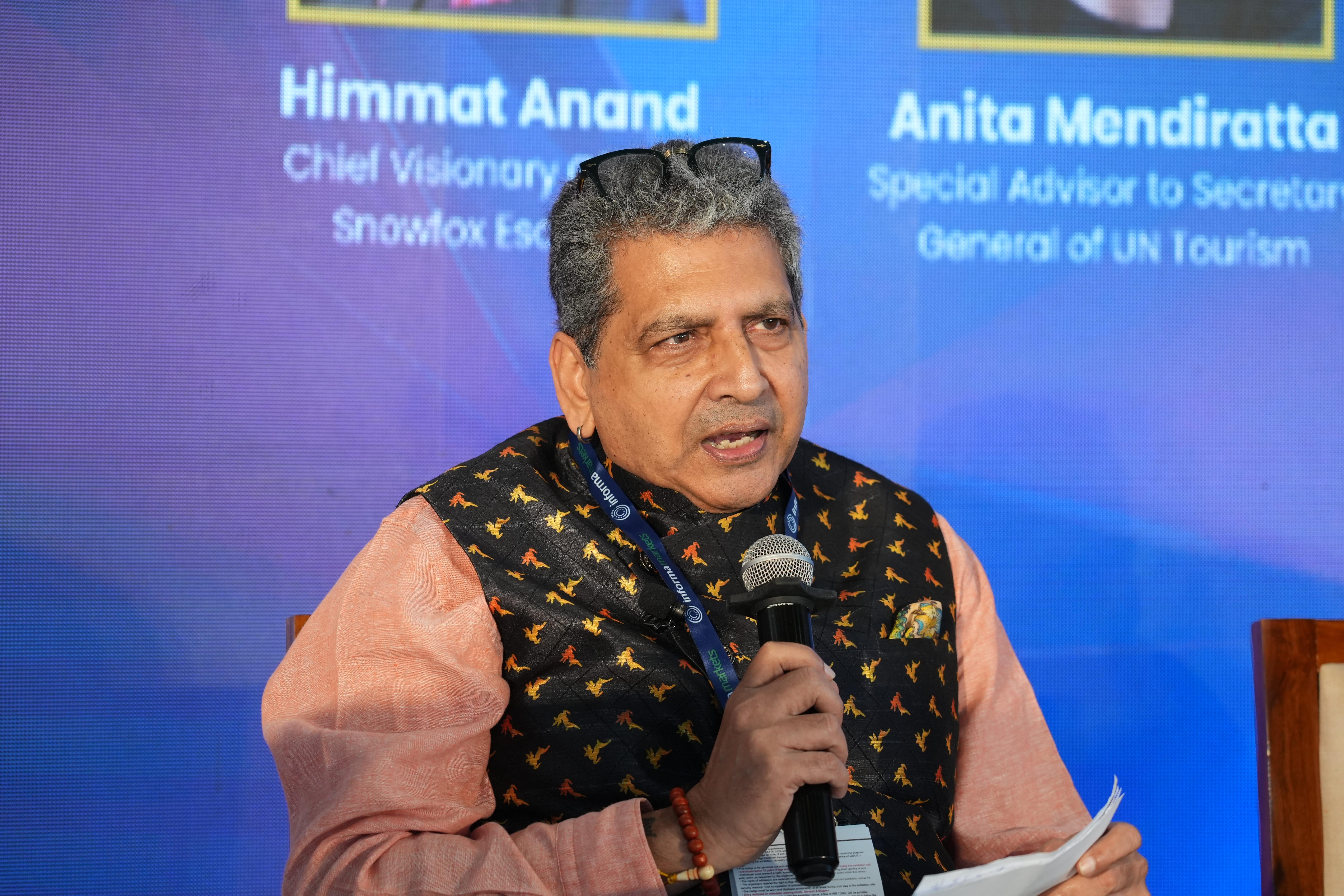
It was precisely this question that took centre stage at SATTE 2026, where industry leaders gathered for a thought-provoking panel discussion titled “Reimagining Incredible India.” Moderated by Himmat Anand, Chief Visionary Officer of Snowfox Escapes, the session brought together influential voices across the tourism ecosystem including Anita Mendiratta, Special Advisor to the Secretary General of UN Tourism; MP Bezbaruah, Secretary General of the Hotel Association of India; Dr Abhay Sinha, Director General of the Services Export Promotion Council; Ravi Gosain, President of the Indian Association of Tour Operators (IATO); and Vivek Atray, ex IAS, Former Director Tourism & TEDx Motivational Speaker.
The Elephant in the Room: Inbound tourism losing the spotlight
The discussion opened with a stark observation from moderator: the global travel landscape has changed dramatically, but India’s tourism messaging may not have kept pace.
Anand pointed out that travel audiences have fragmented into multiple segments—from Gen Z explorers and luxury travellers to digital nomads and experience seekers. Destinations across the world have adapted their strategies accordingly. India, however, still appears to rely heavily on its traditional imagery. “Destinations across the world are adapting to the new traveller expectations and reaching them in new ways. The days when tourism promotion relied solely on iconic imagery like the Taj Mahal or a traditional namaste greeting are largely behind us,” he said.
Another concern raised by Anand was the noticeable absence of inbound tourism in India’s current tourism narrative. “Tourism in India today rests on four pillars—domestic tourism, weddings, religious tourism and outbound travel. But nowhere in the discussion today is inbound tourism.”
This gap becomes even more striking when compared with the ambitions once set for the sector.
In the early years of the Incredible India campaign, India set an ambitious target: 10 million foreign tourist arrivals by 2010. But fifteen years later, the country is still hovering around the same figure. One of the primary reasons for the lag, as repeatedly pointed by the industry stakeholders, is the lack of sustained global marketing and the allotted budgets.
The Budget Paradox
IATO’s Gosain rightly highlighted the stark mismatch between India’s tourism ambitions and the resources allocated to achieve them. “We all know that India is incredible when it comes to tourism products. There is absolutely no doubt about that. But branding alone cannot drive tourism growth without sustained marketing investment,” he said.
According to Gosain, the situation was markedly different before the pandemic. Until COVID-19, India maintained a relatively robust international marketing presence, participating actively in both B2B and B2C promotions across global markets. Trade roadshows, international tourism fairs and overseas campaigns ensured that Brand India remained visible to travel agents, tour operators and consumers alike.
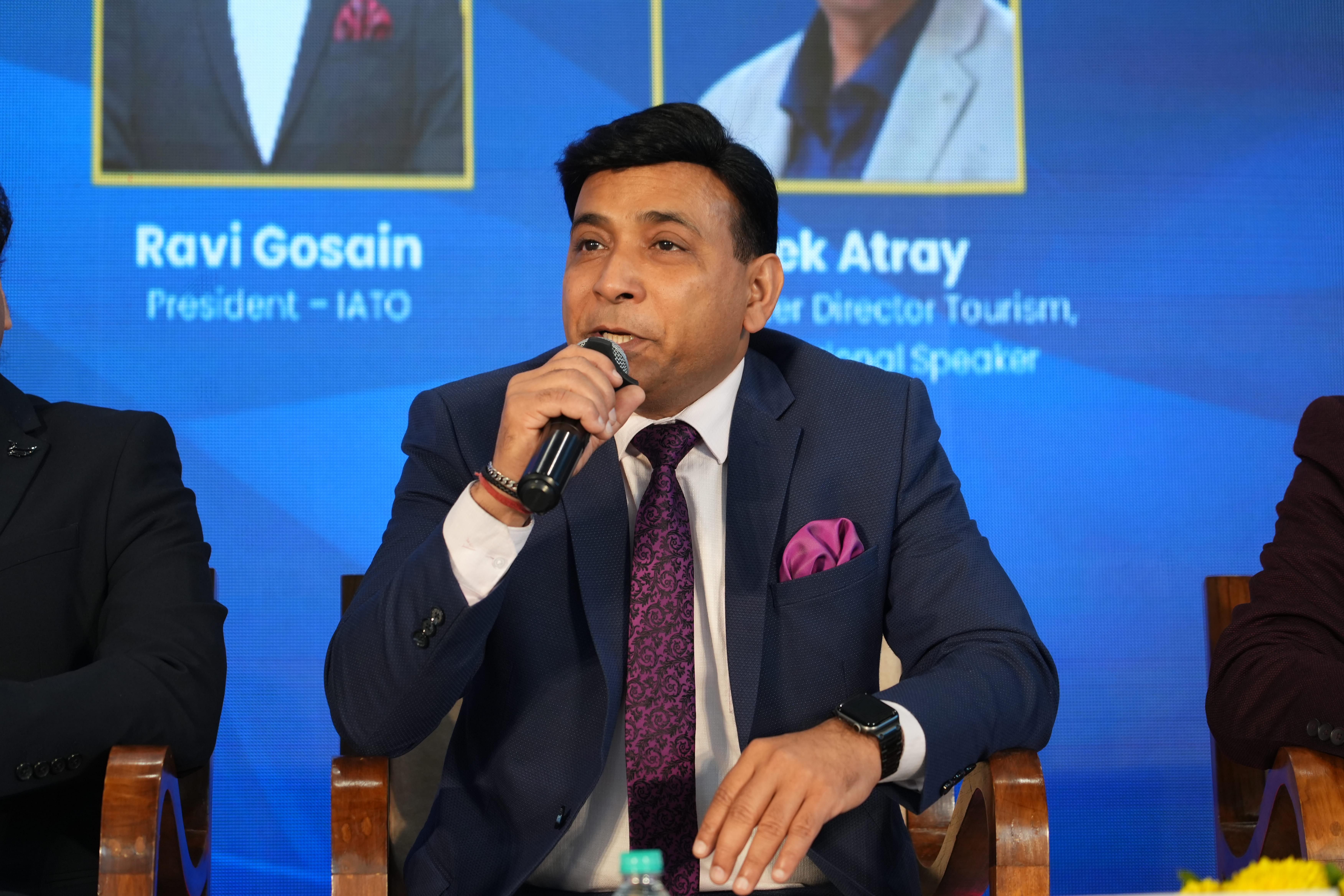
However, the pandemic disrupted not only travel flows but also the country’s promotional momentum. In the years immediately following COVID-19, Gosain pointed out, international marketing activities by the Ministry of Tourism slowed significantly, leaving the industry concerned about India’s visibility in an increasingly competitive global marketplace.
“What we had before COVID in terms of marketing and promotion is not what we see today,” he noted, adding that the industry, including his association IATO, had been repeatedly engaging with the government to restore stronger global outreach.
To note, for the financial year 2025–26, the Ministry of Tourism received an overall allocation of roughly INR 2,500 crore, yet only a very small portion of this is directed towards international marketing initiatives. Out of this, INR 3.5 crore had been earmarked specifically for overseas promotion activities, a figure Gosain described as insufficient for meaningful global campaigns.
“In no way can INR 3.5 crore be considered a serious marketing budget,” he remarked, arguing that the amount barely allows for limited outreach, let alone sustained promotion across multiple source markets.
Industry stakeholders, including Gosain, often contrast this with the aggressive marketing strategies adopted by competing destinations. Countries such as Thailand, Vietnam, Malaysia and Singapore invest heavily in global tourism promotion, running year-round campaigns, digital marketing initiatives and extensive trade partnerships to maintain their visibility in international markets.
For Gosain, the issue is not merely about budgets but about strategic prioritisation. Tourism, he argued, should be viewed not only as an economic activity but also as a powerful instrument of national soft power.
While acknowledging the challenges, Gosain also emphasised that the industry continues to engage proactively with the government. IATO for that matter, has been holding regular discussions with various ministries, including tourism and forest authorities, to explore ways of strengthening India’s global tourism outreach.
At the same time, he stressed that the private sector remains committed to sustaining the sector’s momentum. “As tour operators, travel agents and hoteliers, we will survive. But if India wants to emerge as a leading global tourism destination, there must be a stronger will from the government—and without adequate investment, it becomes extremely difficult,” Gosain pointed.
Bridging the perception & alignment gap
Dr. Sinha from SEPC brought attention to the structural challenges behind India’s tourism promotion efforts, particularly the limited funding available for overseas outreach.
Explaining the policy framework, Sinha noted that many international promotion initiatives fall within broader export promotion mechanisms under the Ministry of Commerce, including the Export Promotion Mission, which supports multiple service sectors beyond tourism. As a result, tourism competes with other sectors for funding. There are clear constraints on funding across ministries, he said, acknowledging that the INR 3.5 crore allocated for overseas promotion is modest.
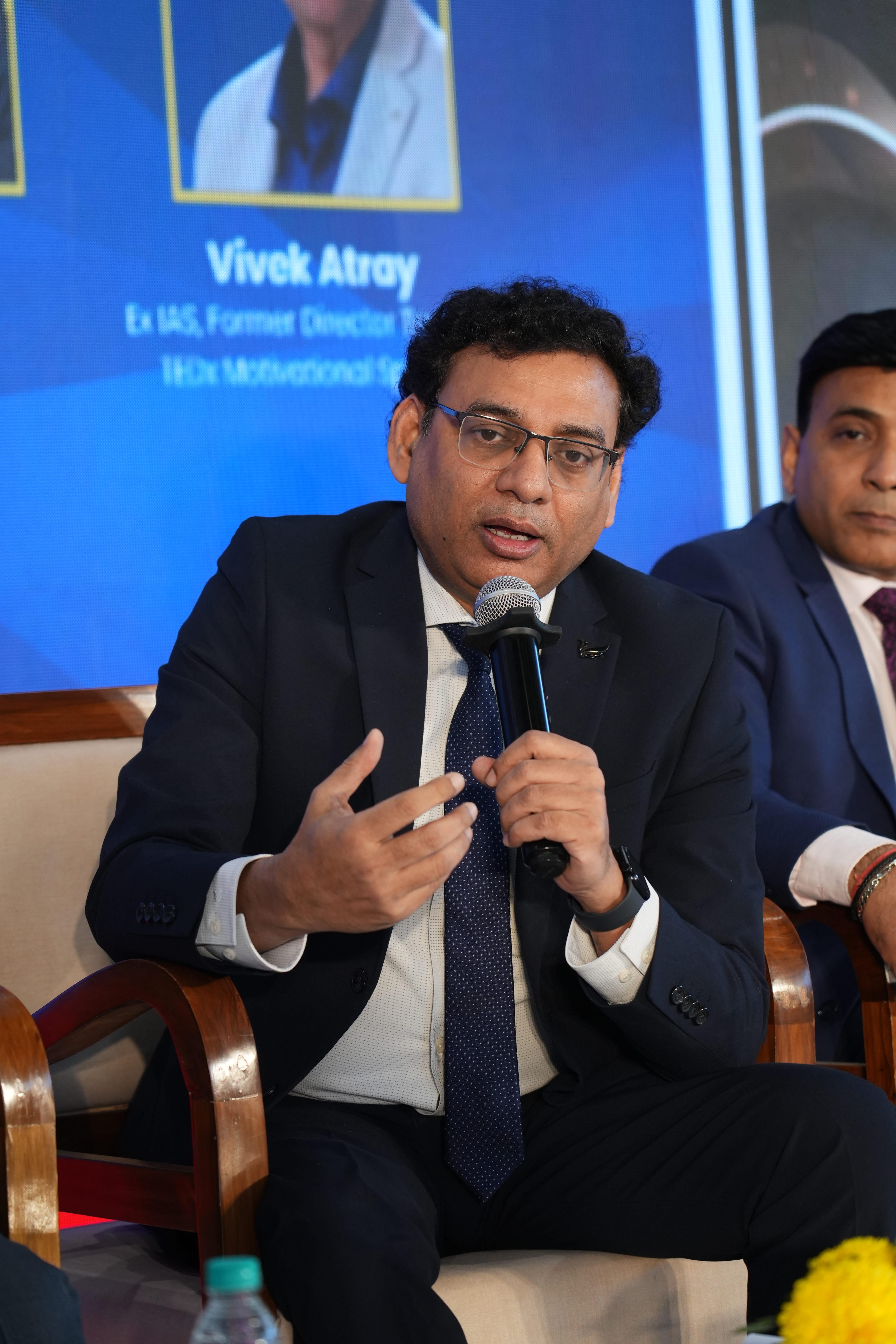
However, Sinha pointed to one positive trend, the growing participation of state tourism boards in international marketing initiatives. “But the larger narrative of Brand India is sometimes missing,” he observed, adding that this creates a fragmented messaging challenge.
Sinha also stressed that the success of any tourism brand ultimately depends on how well the promise of that brand matches the visitor experience. “The Incredible India campaign has built strong awareness globally. Wherever I have travelled, people know India.” However, he cautioned that safety perceptions and service gaps can quickly undermine that image, making it essential to align the country’s global branding with on-ground realities.
“Linking the brand image with the actual visitor experience is something we need to work on much more seriously,” he added.
To address this gap, SEPC has been advocating greater inter-ministerial coordination between the Ministries of Tourism, Commerce and other stakeholders so that tourism is positioned more strongly within India’s broader services export strategy.
For Atray as well, the challenge ultimately lies in how India communicates its tourism story. “India’s tourism potential is enormous, but our communication has not been as powerful or as coherent as it should be,” he said, while identifying three key priorities for strengthening India’s tourism strategy.
First, clarity of messaging. “For many international travellers, planning a trip to India can feel overwhelming. We need a single, integrated platform that simplifies the journey.”
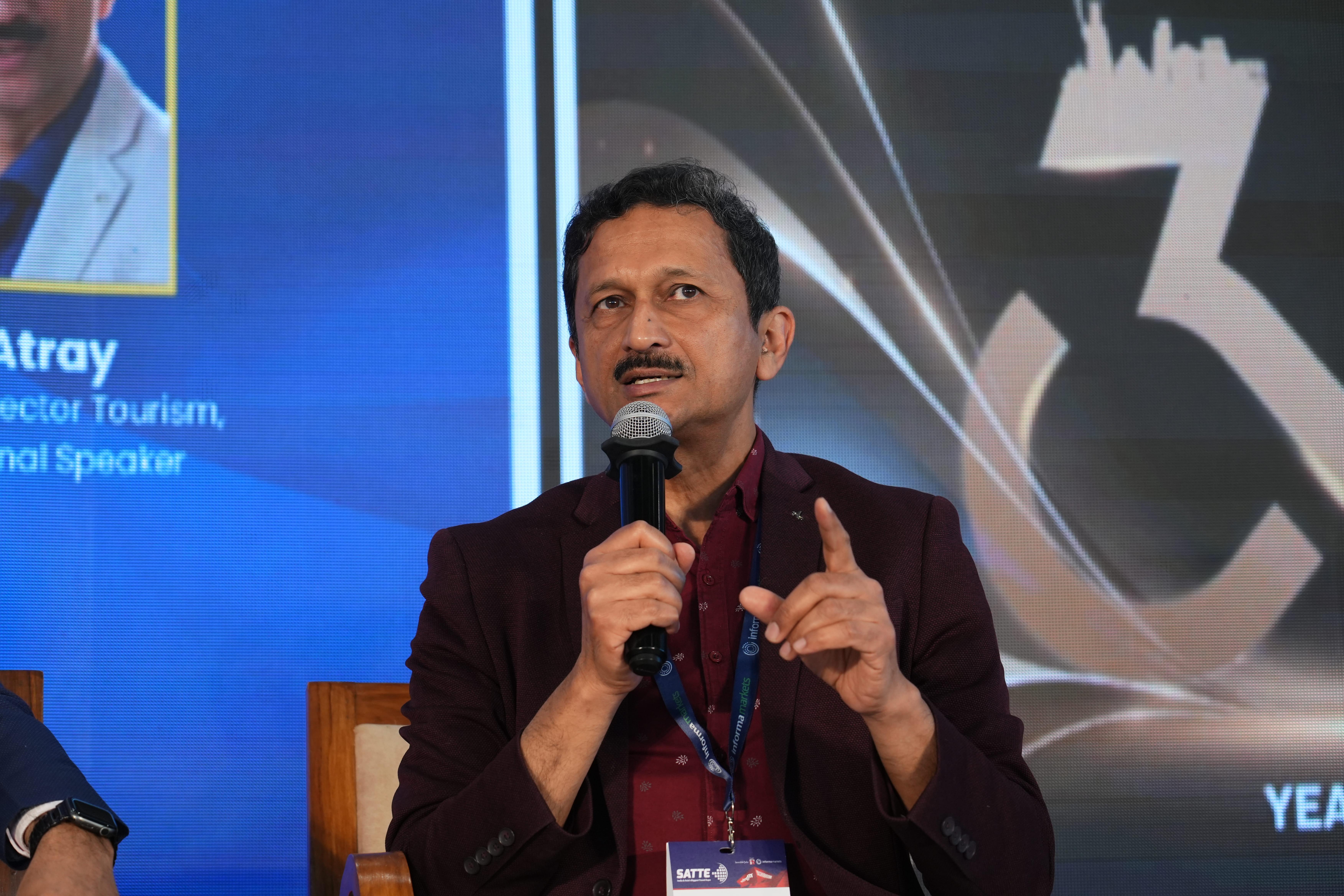
Second, capacity building across the tourism ecosystem. “Tourism is ultimately a people-driven industry. Every taxi driver, guide, hotel employee and local entrepreneur becomes part of the visitor experience.”
Third, political prioritisation. “Tourism must be recognised as a strategic sector of the economy, not just an ancillary activity. Unlike the other important sectors like healthcare and education, tourism is somewhat languishing in pits.” Greater policy attention, he further argued, would unlock stronger funding, better infrastructure and more coordinated marketing efforts.
The enduring power of the brand
While funding and strategy remain major challenges, Mendiratta offered a different perspective: the Incredible India brand itself is far from obsolete. Speaking as both a global tourism practitioner and, as she put it, “an Indian daughter,” Mendiratta argued that the debate around Incredible India cannot be viewed purely through the lens of branding or budgets. Instead, it must reflect the profound shifts that have taken place in how people travel.
According to Mendiratta, the motivations driving global travellers today have moved far beyond traditional destination marketing. “It’s no longer about the places. It’s no longer about the product. It’s not even about the photographs. It’s about the engagement,” she said.
In that sense, she argued, India’s greatest tourism asset is not just its destinations but its people. “It’s no longer about Incredible India. It’s about Incredible Indians. Who are the people visitors meet? Who are the people they connect with?” she said, emphasising that every interaction a traveller has in the country becomes part of the tourism narrative.
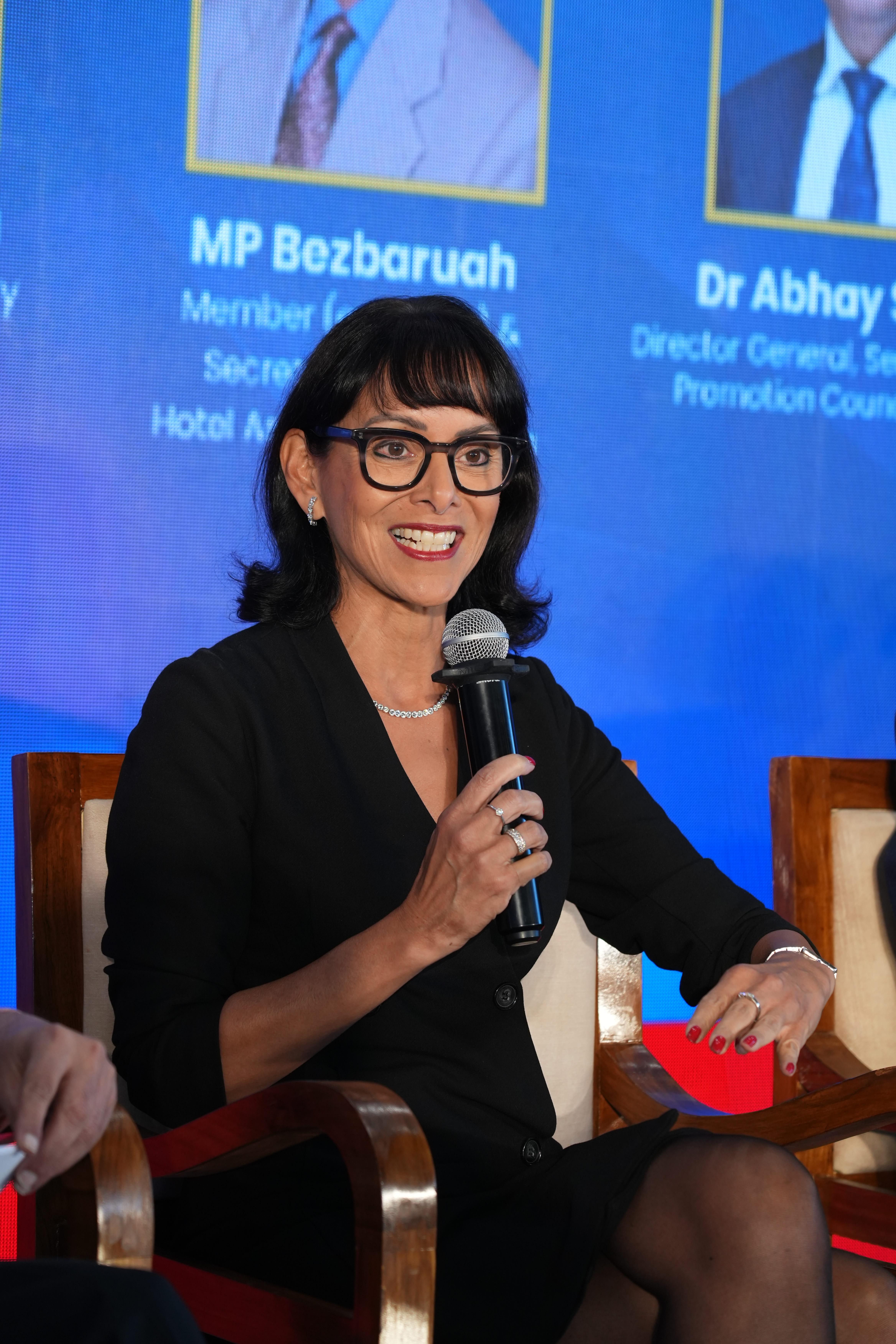
Mendiratta also cautioned against framing tourism growth purely around government budgets. While funding is always a challenge for destinations globally, she argued that successful tourism strategies often rely on leveraging existing assets and partnerships.
“No country in the world will ever say it has enough budget. It’s about how you leverage what you have,” she said. She cited national carriers as one such strategic asset. Just as Emirates has played a central role in promoting Dubai globally, Mendiratta suggested that Air India’s global expansion could become a powerful marketing channel for Brand India.
The Experience Economy
Importantly, Mendiratta also defended the longevity of the Incredible India brand itself, recalling how the campaign delivered remarkable value compared with the high costs associated with launching entirely new destination brands. Rather than replacing the brand, she suggested that India should build upon its existing recognition while expanding the narrative around experiences, connectivity and repeat travel.
Adding to this and responding to the question on rethinking ‘product India’, Gosain acknowledged that the profile of the global traveller has changed significantly. While India has traditionally marketed its culture and heritage, he said the demand today is increasingly driven by experiential travel that connect visitors with communities and everyday life. Gosain noted that the industry must continuously innovate and design products around the evolving aspirations of travellers. “If we continue selling only the old products, we risk becoming obsolete.”
Beyond branding, numeral targets
Another equally important question raised during the discussion was whether the Incredible India brand itself has begun to show signs of fatigue, as a question posed by Anand to Bezbaruah, who is a former Ministry of Tourism official.
He, however, disagreed with Anand’s hint on the brand having outlived its relevance. Instead, he argued that Incredible India remains an essential identity marker for the country, but what needs urgent attention is how the promise of that brand is delivered on the ground. “Incredible India was never meant to be just a marketing campaign. It was conceived as the identity of India—how the country presents itself to the world.”
According to him, the real challenge lies in the gap between the image that the campaign created, and the actual experience travellers encounter when they visit the country. Closing this gap, he suggested, should be the central focus of any attempt to reimagine the campaign.
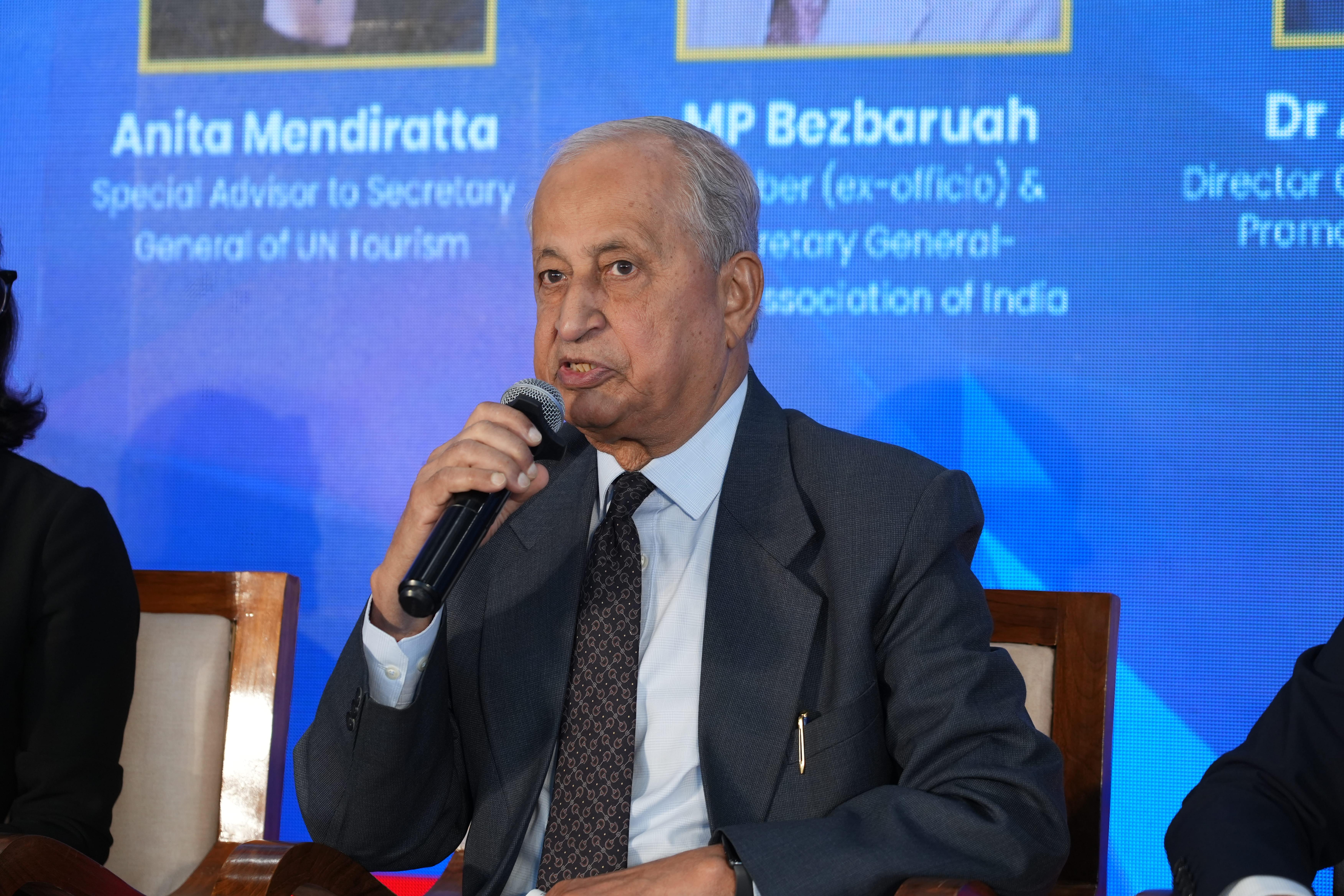
Bezbaruah also argued that a renewed tourism strategy must operate on two parallel fronts—external and internal. Externally, India must continue to build awareness and visibility in international markets. But internally, there must be a concerted effort to create an ecosystem where visitors experience seamless travel, responsible tourism and genuine hospitality.
He suggested that a reimagined Incredible India should also place greater emphasis on national pride and citizen participation, encouraging Indians themselves to become ambassadors for the country’s tourism narrative. “Tourism today is about experiences. The world is looking for meaningful and memorable journeys, and India must ensure that visitors actually experience what the brand promises.”
He also cautioned against the industry’s long-standing obsession with numerical targets such as 100 million foreign tourist arrivals, arguing that such ambitions are unrealistic without fundamental improvements in destination infrastructure. India already records over 2.5 billion domestic tourist visits annually, he pointed out, and adding massive international arrivals without adequate destination development could strain the country’s tourism ecosystem.
Instead, he suggested shifting the focus from sheer numbers to economic value and sustainability. “What we should aim for is not just more tourists, but a USD 3 trillion tourism economy, where the emphasis is on quality experiences and higher value creation,” he said.
Achieving this vision, he stressed, will require far greater collaboration between government and the private sector. Tourism globally is largely driven by private enterprise, and India must create conditions that allow the industry to expand and innovate. “The private sector needs two things. First, remove the roadblocks that slow down investment. And second, provide incentives that encourage the industry to develop destinations and infrastructure,” he suggested.
The AI Opportunity
The discussion also turned to the growing role of artificial intelligence in reshaping tourism marketing, a topic that moderator Anand described as one of the most talked-about coinciding with the recently concluded AI Summit, yet least understood technological shifts impacting the travel industry today.
Responding to the question, Mendiratta emphasised that AI is already deeply embedded in everyday travel behaviour, from digital assistants to personalised travel recommendations. She noted that when used effectively, technology can become a highly cost-efficient tool for destinations to engage with travellers. According to Mendiratta, the real value of AI lies in supporting the traveller journey across three critical stages: before travel, during travel and after travel, enabling destinations to influence decision-making, enhance experiences on the ground, and sustain engagement even after visitors return home.
Building on that idea, Anand added that AI could play a critical role in expanding how India tells its tourism story. Rather than repeatedly promoting the same circuits such as the Golden Triangle, technology could help showcase India’s vast and diverse tourism portfolio across regions and seasons. “India is not a product; it is a portfolio of places and people,” he observed, stressing that the country’s tourism potential lies in its diversity of experiences.
By leveraging AI-driven storytelling and personalised travel discovery, he further suggested that India can build stronger relationships with travellers, encouraging repeat visits and deeper exploration beyond the traditional itineraries that have long defined inbound travel to the country.
Industry narrative in a nutshell
As the discussion concluded, one message became clear: India does not need to abandon Incredible India—but it must reinvent how the brand is expressed. The fundamentals remain strong. India continues to offer one of the richest tourism portfolios in the world but unlocking that potential requires a more strategic and coordinated approach.
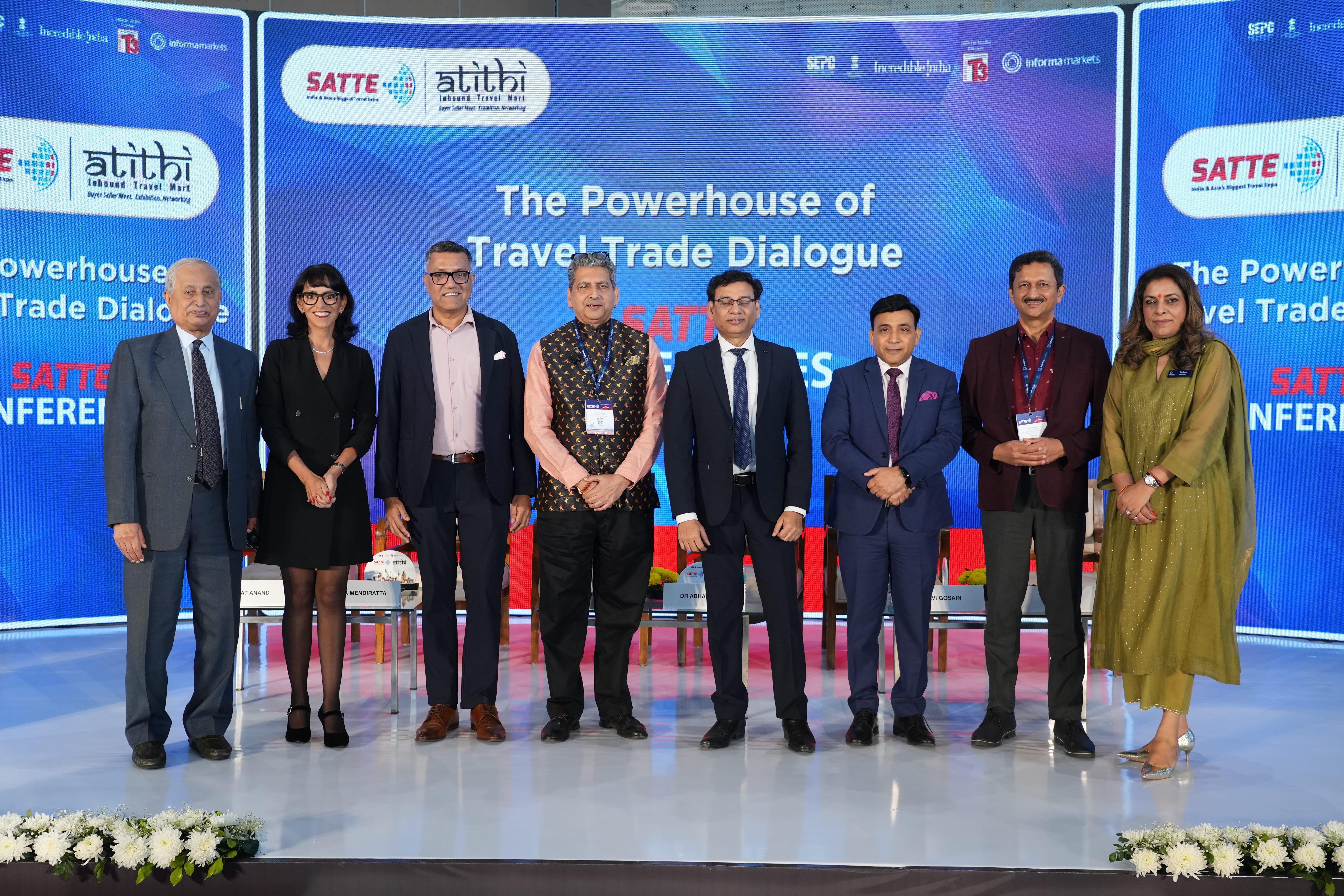
The panel overall highlighted several priorities:
* Reviving international marketing with adequate funding
* Modernising the Incredible India narrative; bridging gap between brand image & visitor experience
* Strengthening coordination between central and state governments and other ministries
* Investing in experiential tourism products
* Shift from quantity to value in tourism growth
* Encourage more private sector investments and partnerships
* Leveraging technology and AI for smarter tourism promotion