Decoding “Affordable” Luxury
As Indian travellers have started to spend more, travel more often, and demand experience-first trips, the very meaning of luxury is being reshaped, which is less about opulence, more about value and access. SATTE this year, brought a provocative question to the limelight: can luxury truly be affordable, or is the industry redefining aspiration for a wider market?
At SATTE, a seemingly contradictory phrase, “Affordable luxury”, sparked one of the most nuanced debates. Can luxury truly be affordable? Or is the industry simply repackaging aspiration for a wider audience?
India’s travel landscape is undergoing a structural shift. Travellers are no longer saving for a single annual holiday; they are taking multiple trips, experimenting with destinations, and expecting more from every rupee spent. This behavioural shift in turn, is forcing the industry to rethink long-held definitions of luxury.
As India’s travel market expands with over 60–70 million Indians now travelling overseas annually and domestic crossing 2 billion visits, fuelled by a rising middle class, post-pandemic revenge travel, and a digitally influenced consumer, the answer may lie somewhere in between.
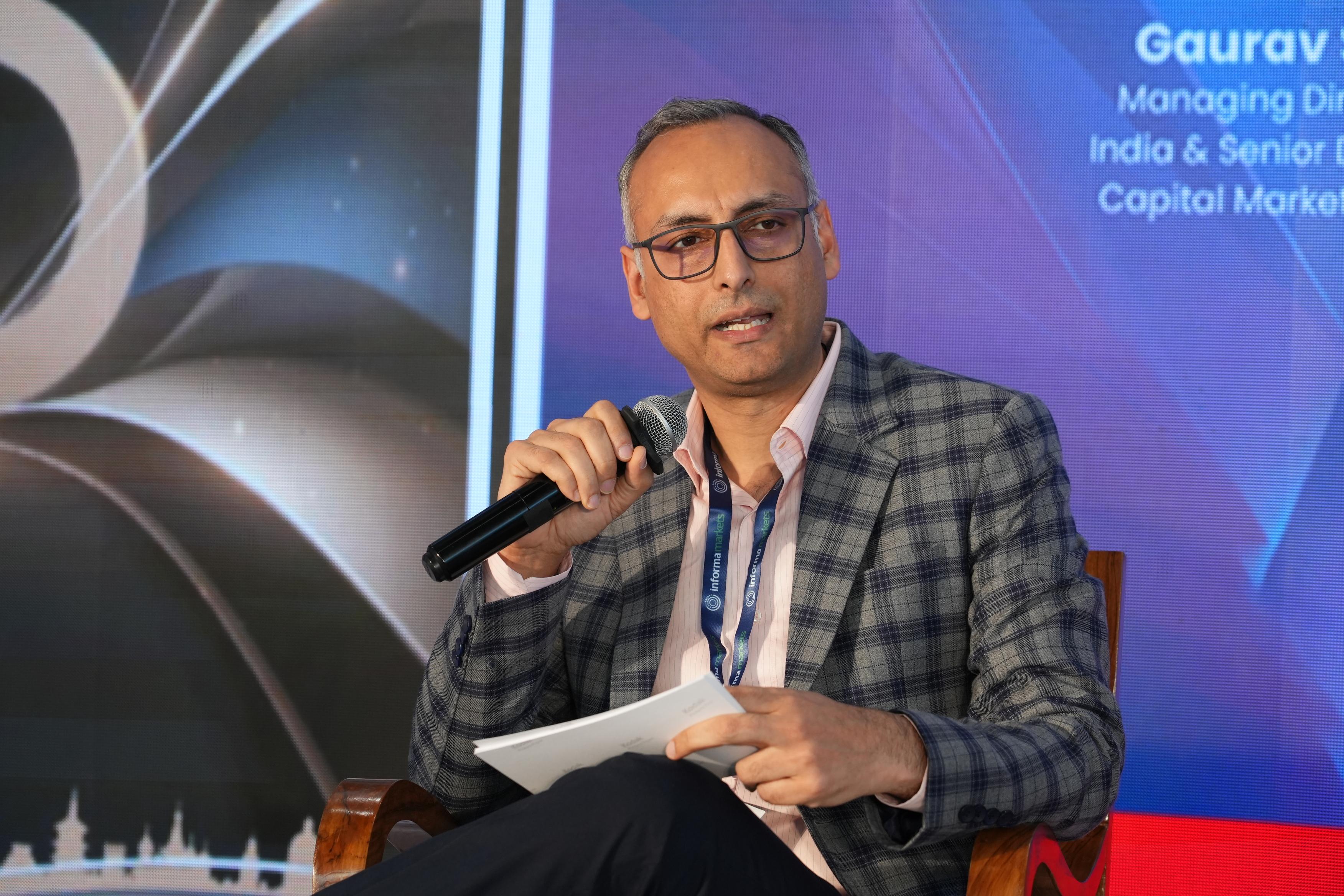
Setting the tone, moderator Gaurav Sharma, Managing Director Hotels, India & Senior Director Hotels Capital Markets- Asia at JLL observed: “Luxury was always associated with scale, opulence and exclusivity. But today’s traveller is looking for personalisation, authenticity and convenience. Instead, it’s about the value and emotional connection the experience provides. Personalisation has become more desirable than rigid formality, and authenticity is valued over simply spending money.”
Emotion Over Extravagance
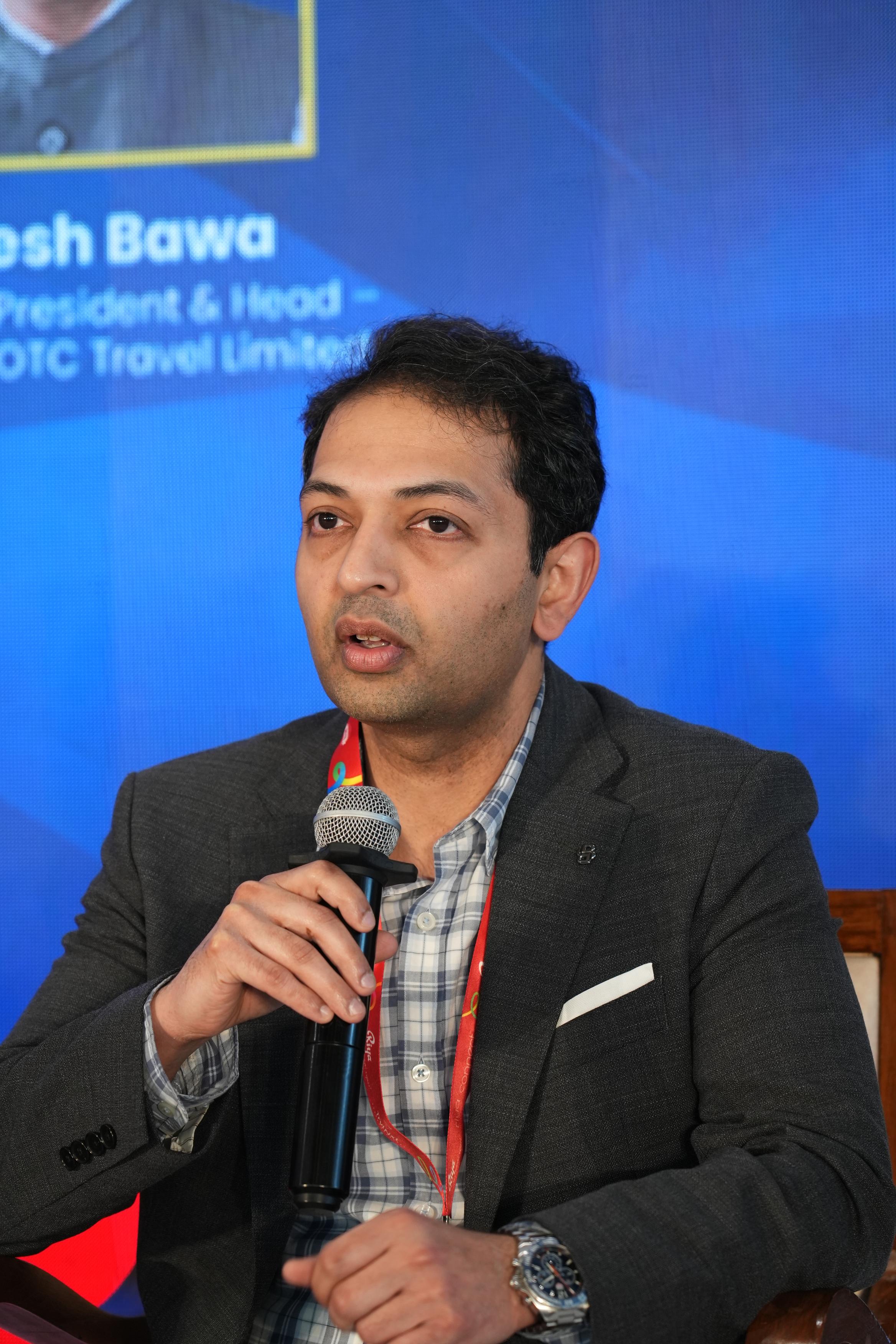
For Rakesh Bawa, Senior Vice President & Head – Holidays, SOTC Travel Limited, the rise of affordable luxury is deeply tied to evolving consumer expectations.
“Affordable luxury can be understood as a response to India’s evolving holiday demand, where travellers seek more frequent and longer vacations without compromising on premium, personalised, and immersive experiences. With the rise of the urban middle class and heightened consumer awareness, this segment bridges the gap between aspiration and accessibility. This dynamic has given rise to a new category: affordable luxury,” he said.
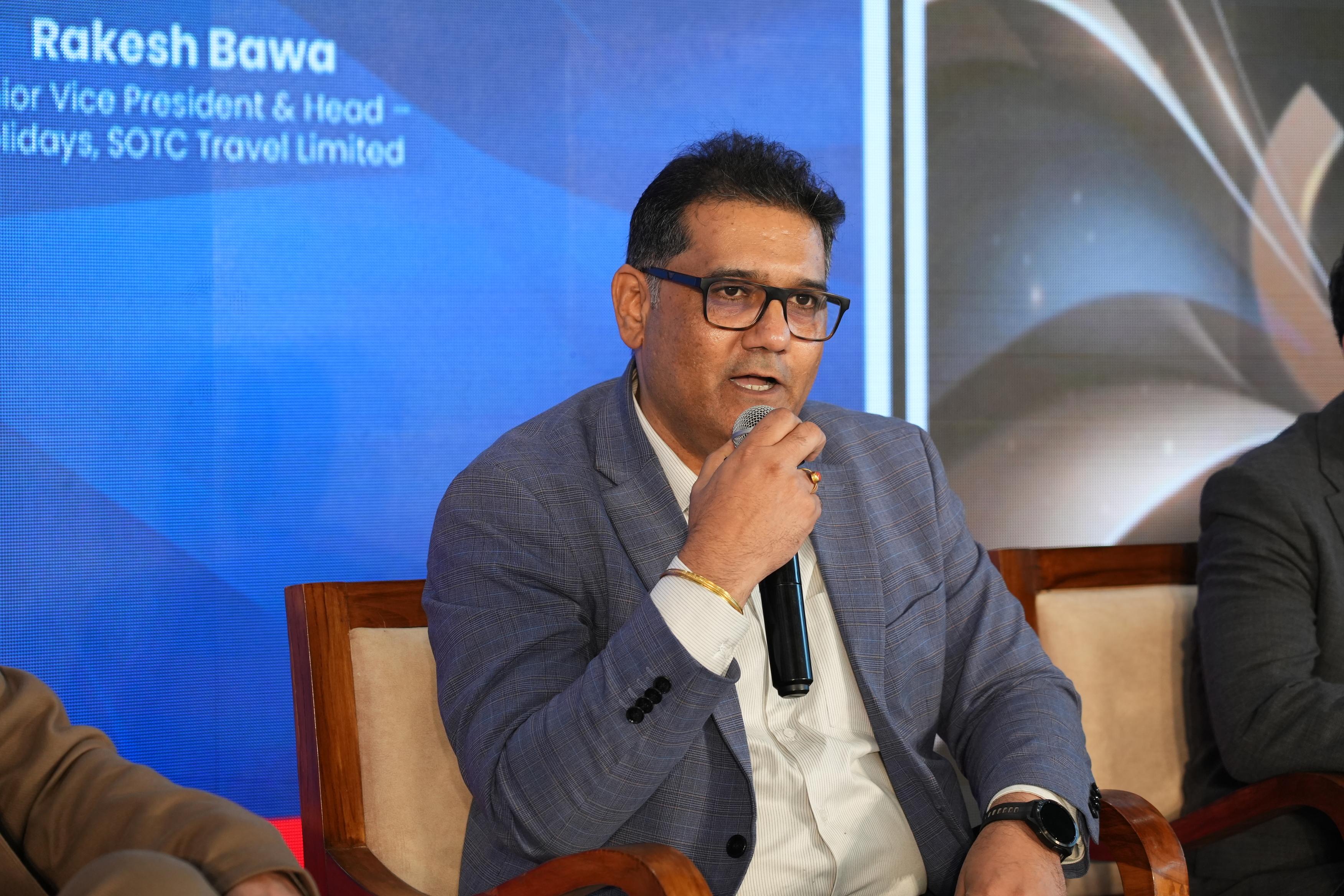
But he was quick to draw a line about discounting luxury.
“Affordable luxury is not diluting luxury; it is complementing demand through service-oriented, enriching experiences.”
The New Consumer
The modern traveller is at the centre of this transformation. Nitin John, Vice Chairman, Riya Travel & Tours India Pvt Ltd highlighted a critical behavioural shift: “It’s no longer once-a-year travel. People want to travel more, and they want to recreate similar experiences across trips. Travel is no longer confined to specific months; customers are now flexible, often planning trips around long weekends, prioritising availability and experiences that align with their aspirations and self-image.”
This has fragmented demand across price points and occasions, creating space for a segment that sits between mass premium and ultra-luxury.
Adding a cultural layer, Raghunath Kodakandala, Founder and Managing Director of SRK Hospitality pointed to aspiration shaped by social media:
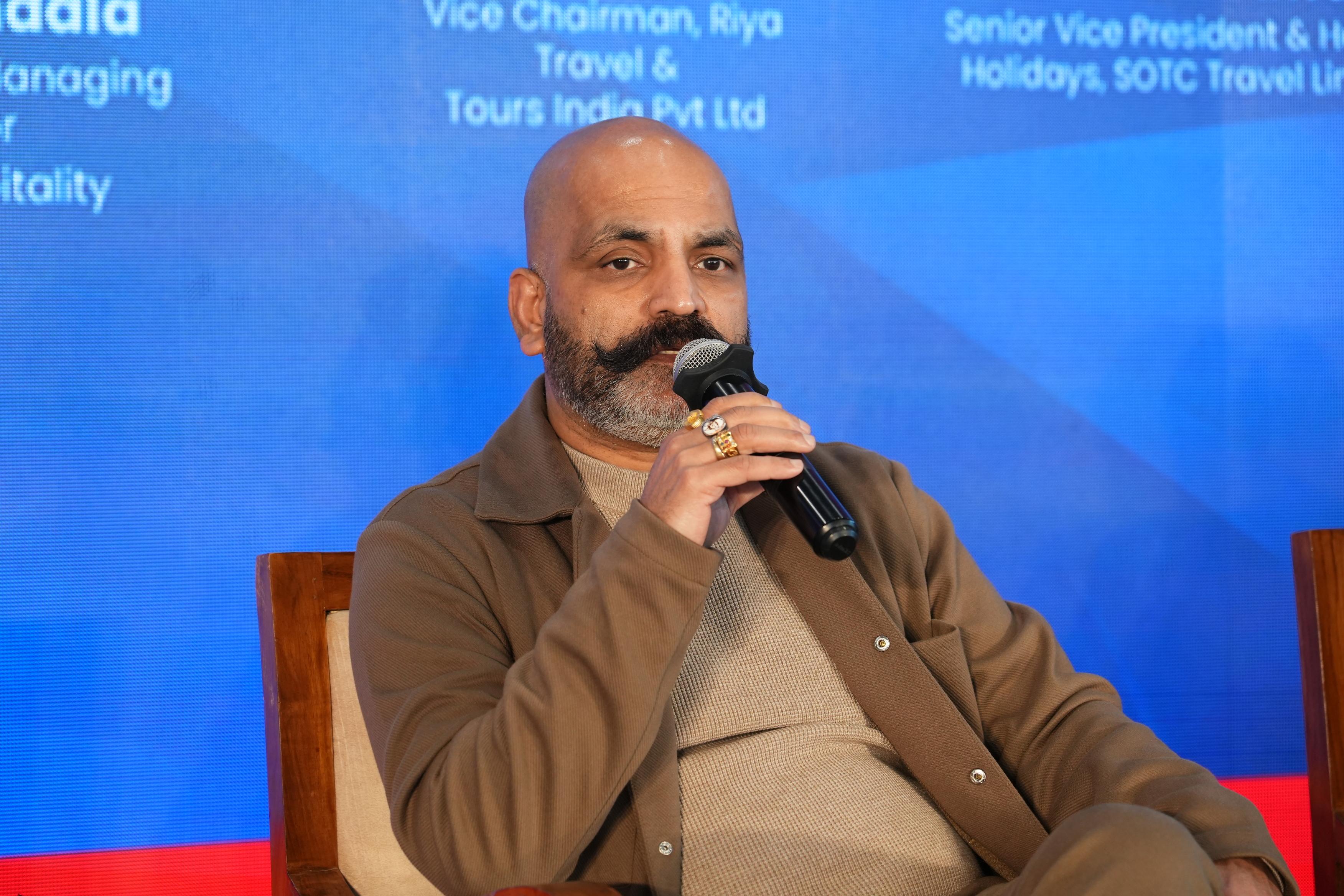
“People are willing to pay for the experience, the ambience, the memory, even the Instagram moment. It’s not always about the product itself.”
In the Indian context, the largest demographic lies with millennials, who make up roughly 30-35% of the population, said Bawa. Following closely is the growing Gen Z segment, which is also emerging as a strong consumer base. Gen Z, much like millennials, is drawn to affordable indulgences and highly personalised experiences, making affordable luxury an appealing proposition for these groups.
The Counterpoint: Can luxury ever be ‘affordable’?
Not everyone agrees with the premise. Anirudh Kandpal, Co-founder, The Postcard Hotel offered a sharp counterview: “Luxury means rarity. If everything becomes accessible, can it still be luxury?”
Yet, his own business story reveals the complexity of the debate. From Goa to Assam, The Postcard Hotel has successfully commanded premium pricing by focusing on deeply curated, hyper-personalised experiences.
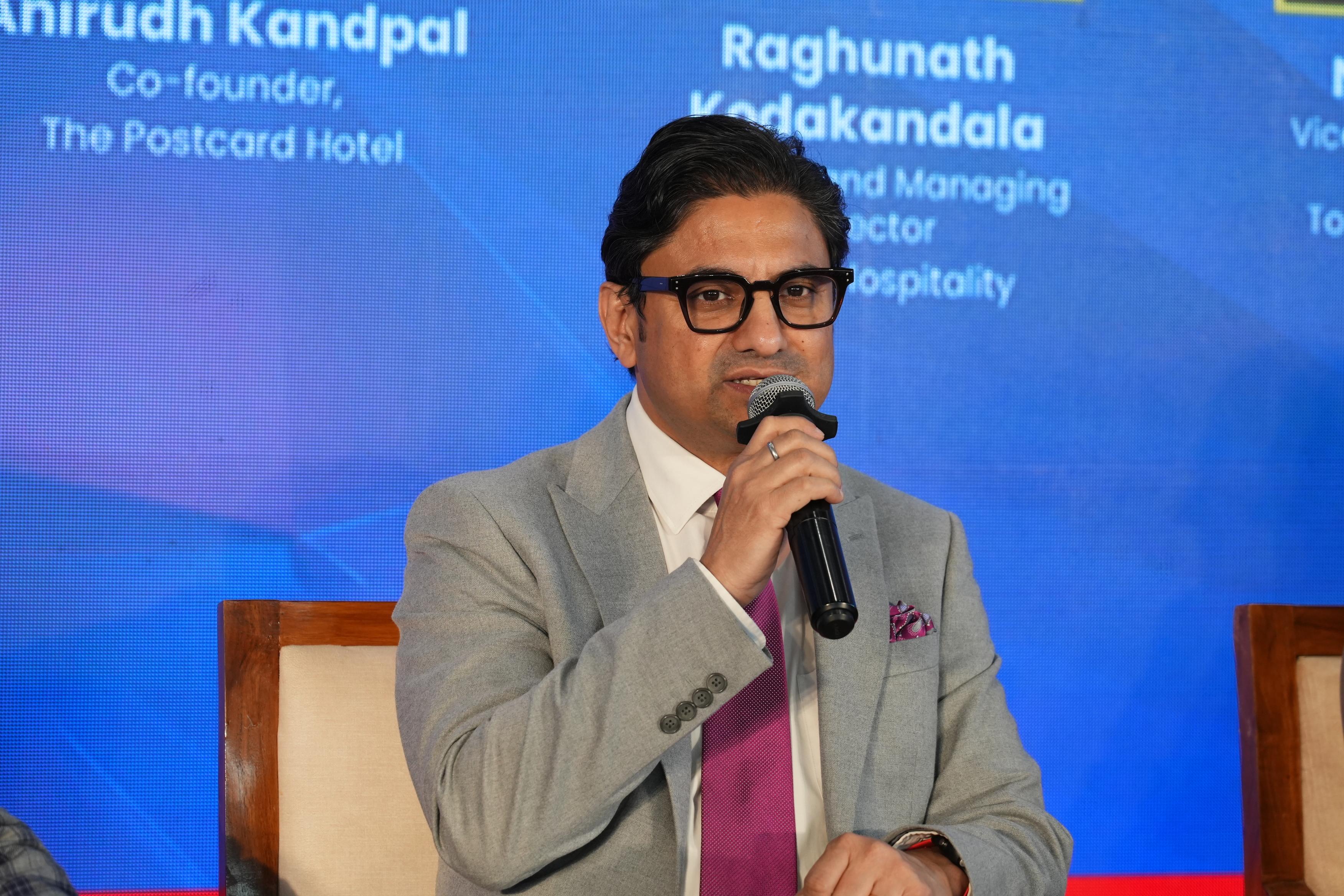
“If the experience inspires the right audience, they will pay. Luxury is about how it makes you feel, not what it costs,” he added.
A Mindset Shift—not a marketing trick
One of the strongest takeaways from the session was that affordable luxury is not a pricing hack. “It is not about discounting luxury; it is a mindset shift. This shift moves away from the traditional grandeur of luxury hotels and aligns with evolving customer expectations,” Bawa reiterated.
The shift, he quoted, is visible across global hospitality brands, where mission statements now emphasise emotional connection, personalisation and authenticity over grandeur.
As Bawa continued to explain, the luxury market is sharply tiered: a small 5–7% segment of core luxury travellers remains loyal to exclusivity and is unlikely to shift towards affordable formats. “The real opportunity lies with the much larger base of urban middle-class and millennial travellers, equally aspirational but more value-conscious, who seek premium experiences through a careful price–value trade-off, making affordable luxury a natural fit for this segment.”
Kandpal framed it as part of a broader journey: “Affordable luxury is a nudge in the aspiration ladder; it is kind of an educational experience which helps you evolve from a tourist to a traveller.”
The Rise of Experience Ecosystems
As John pointed out, affordable luxury is no longer confined to a specific traveller segment; it cuts across demographics. “Travel today has become a universal aspiration, with people across categories willing to stretch their budgets slightly for better experiences. In the post-pandemic boom, this shift is evident globally, with even emerging destinations like Saudi seeing high demand and occupancies of 80–90%, reinforcing that affordable luxury is catering to a broad, expanding market rather than a niche audience.”
A notable shift is the declining importance of the room itself.
“Customers don’t want to stay in the room, they want to step out and experience more,” said John, pointing to the growing role of F&B, social spaces and community-driven offerings.
This marks a transition from product-led hospitality to ecosystem-led experiences, where hotels become hubs rather than just places to stay.
Kandpal added to this saying that delivering a seamless travel experience is a collaborative effort between three key stakeholders: asset owners, hospitality brands, and travel professionals. While owners build the infrastructure and brands curate and operate the experience, it is the travel professional who stitches the journey together on ground, ensuring every touchpoint, from airport transfers to local logistics, runs smoothly. This convergence of roles, particularly in a complex market like India, is what ultimately creates differentiated value for the traveller.
Economics of Luxury & the ROI Question
Beyond philosophy, the model is commercially viable. Affordable luxury caters to India’s largest and fastest-growing segment: the urban middle class, while allowing operators to balance cost and value, offering a compelling case for improved ROI. Unlike traditional luxury hotels, which require significant upfront investments, often exceeding two and a half to three crore per key, plus land and delivery costs, affordable luxury operates with relatively lower initial costs. By focusing on personalised service and building trust, affordable luxury caters to a broader consumer base while maintaining a balance between cost efficiency and guest satisfaction. This approach not only aligns with the vision of businesses targeting the middle-class market but also ensures a better ROI by tapping into a larger, more consistent demand pool, shared Bawa.
Kodakandala shared a practical perspective: “If you add value, you can charge more. People are willing to pay for comfort and proximity and that improves ROI.”
Kandpal explained that the key to balancing customer expectations with owner viability lies in rethinking scale and positioning. Instead of building large mid-segment hotels, the model focuses on smaller, high-end properties where the cost of development can be comparable, but the value creation and therefore profitability is significantly higher. While bigger hotels may appear attractive on paper, well-curated luxury assets can deliver returns of 30–50%, making them far more compelling from an investment standpoint, he added.
He further pointed out that such properties are designed as long-term, intergenerational assets with strong barriers to entry. By building larger room formats and highly differentiated experiences from the outset, these hotels attract a niche but high-paying audience that is difficult to replicate. Citing examples like Tirupati and Tezpur, Kandpal notes that despite initial skepticism around pricing, well-executed luxury offerings are commanding INR 40,000–50,000 per night, underscoring that when the product is right, both demand and returns follow.
What will define 2030?
The panel closed by identifying key trends that will shape the next decade:
- Wellness travel evolving into long-stay, health-focused journeys
- AI-driven personalisation reducing friction and enhancing delivery
- Hospitality offerings that are much closer to local communities
- F&B driving the travel decisions
- India’s global rise as a hospitality powerhouse